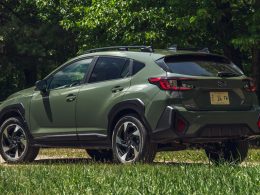







Kenya’s automotive market is currently thriving, with more buyers turning their attention to used Japanese vehicles.
Renowned for their exceptional quality, reliability, and performance, Japanese cars have become increasingly appealing to Kenyan consumers.
If you are contemplating the idea of purchasing a car from Japan to Kenya, understanding the entire process will be crucial for a successful transaction.
This comprehensive guide will delve into all the necessary steps to import a car from Japan to Kenya.
From selecting the ideal vehicle to managing customs and shipping, this guide aims to empower you with the knowledge required to make informed decisions with confidence.
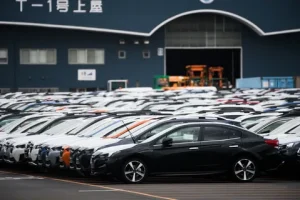
Why Are Japanese Cars so Popular in Kenya?
The popularity of Japanese cars in Kenya can be attributed to several factors. First and foremost, these vehicles are known for their reliability.
Many car owners in Kenya appreciate the peace of mind that comes from driving a Japanese model, as these cars tend to require fewer repairs and maintenance than others.
This reliability is further enhanced by the fuel efficiency of Japanese vehicles, which is particularly appealing in a country where fuel prices can fluctuate significantly.
Moreover, the ease of maintenance associated with Japanese cars is another factor contributing to their appeal.
With a vast network of spare parts available throughout Kenya, finding replacements and servicing a Japanese car is relatively straightforward.
Whether you are searching for a compact sedan for daily commuting, a family car capable of handling longer trips, or a rugged SUV for off-road adventures, Japan offers a wide range of well-maintained options to meet diverse needs.
Additionally, there is a certain prestige associated with owning a Japanese vehicle.
Many buyers recognize that these cars feature high build quality and advanced technology, which provides a significant return on investment.
This blend of quality, performance, and style makes Japanese imports an outstanding value for money.
Importing a car from Japan to Kenya also allows buyers to access a much broader selection than what is available in local showrooms. You can choose specific models, trims, and features that suit your preferences.
This wide variety contributes to the ongoing enthusiasm for Japanese imports in the Kenyan automotive market.
Step-by-Step Guide to Importing a Car from Japan to Kenya
1. Choosing the Right Vehicle
The journey to importing a car from Japan begins with selecting the right vehicle. Understanding your needs is vital.
Consider the purpose of the vehicle—will it be for personal use, family vacations, or perhaps business functions? Knowing what you want will help eliminate options that do not meet your requirements.
Before finalizing your choice, it is essential to conduct thorough research on the vehicle’s history, mileage, and condition.
Reputable exporters will typically provide detailed inspection reports and photos to help you make an informed decision. Take your time to compare different models and specifications to find the best fit for your lifestyle and priorities.
2. Partnering with a Trusted Exporter
Working with a knowledgeable and reputable exporter can significantly smooth the process of importing a vehicle.
For instance, firms like UFS Auto specialize in helping buyers navigate the complexities of the Japanese automotive market. They have direct access to Japanese auto auctions, where you can find a multitude of vehicles to choose from.
Moreover, they handle inspections, assist with documentation, and ensure compliance with Kenyan regulations.
Choosing an experienced exporter not only reduces the risks associated with buying a car overseas, but it also makes the entire transaction more straightforward.
They can guide you on the best practices for importing vehicles and help avoid common pitfalls.
3. Shipping and Logistics
Once you have selected your vehicle, the next critical step is arranging for shipping. Careful coordination with shipping companies is essential to ensure that your car is delivered safely to Kenya.
You can opt for container shipping or roll-on/roll-off (RoRo) services, depending on your budget and preferences.
Insurance is a crucial aspect of this phase; it protects your investment during transit against any potential damages.
Experienced exporters will assist you in choosing the most reliable shipping options and will often have established relationships with shipping lines to facilitate the process.
4. Customs Clearance and Documentation
Upon arrival at Kenyan ports, your vehicle will go through customs clearance—a step that requires careful attention to detail.
Kenya has specific regulations regarding vehicle imports, including various taxes and duties that must be paid. Proper documentation is paramount to avoid any delays in the clearance process.
With comprehensive support from a facilitator like UFS Auto, you can navigate the intricacies of customs regulations smoothly.
They will help ensure that all necessary paperwork is submitted accurately, thus enabling a quicker clearance and minimizing the chances of fines or complications.
5. Receiving Your Vehicle
Once your vehicle has cleared customs, it will be dispatched to your specified location. It’s imperative to conduct a thorough inspection upon delivery to ensure that it matches the description provided by the exporter.
Look for any discrepancies that could indicate issues during shipping or customs handling.
It’s wise to follow up with your exporter if you encounter any problems, as addressing them promptly can save you time and frustration down the line.
Tips for a Smooth Import Experience
- Verify Vehicle Details: Before making a purchase, always check the vehicle’s history, including service records and previous ownership to ensure you’re making an informed decision.
- Plan Shipping Early: Begin coordinating shipping well in advance to avoid extra costs associated with delayed shipping or changes in logistics.
- Choose a Trusted Exporter: Selecting a reliable exporter can significantly mitigate risks and simplify the overall process.
- Understand Local Regulations: Become familiar with Kenyan import regulations and the associated taxes to ensure that you budget appropriately for your new vehicle.
- Maintain Clear Communication: Regular communication with your exporter can keep you informed of the status of your vehicle and any related updates.
By adhering to these tips, you can enjoy a smoother journey through the importation process, whether you’re an individual buyer or part of a business looking to acquire Japanese vehicles.
Market Insights and Trends
The demand for Japanese automobiles in Kenya continues to rise, with durability, fuel efficiency, and long-term reliability driving this trend.
Official reports indicate that Japan provided 94.3 percent of the 62,495 used cars imported into Kenya in the twelve months leading up to June 2023.
This statistic underscores Japan’s position as the leading supplier of used vehicles across Africa.
Kenyan consumers, both individuals and businesses, gravitate toward Japanese cars for their robust resale value and suitability for navigating local terrains.
The strong performance of these vehicles in Kenyan road conditions makes them a favored choice for many drivers.
Conclusion
While the process of importing a car from Japan to Kenya may initially appear complex, it becomes far more manageable with the right support and preparation.
By partnering with a reputable exporter like UFS Auto, you can ensure that your vehicle reaches you safely, on time, and in excellent condition.
With thoughtful planning, diligent research, and professional guidance, importing a Japanese vehicle can be a savvy and gratifying decision.
Begin your journey today and experience firsthand the remarkable quality and innovation that Japanese automobiles offer within the vibrant automotive market of Kenya.