



Healthcare careers are becoming increasingly popular across the UK, especially roles that allow people to enter the medical field quickly while still making a real difference to patients. One of the most practical and accessible options is phlebotomy. Phlebotomists play a vital role in hospitals, GP surgeries, clinics, and laboratories by collecting blood samples used for diagnosis and treatment.
Many people assume that getting into the NHS requires years of medical study. However, that is not always the case. With the right training and practical skills, you can move from learning phlebotomy to securing an NHS job faster than you might expect.
This guide explains the step-by-step career path from phlebotomy training to working within the NHS, including the qualifications, skills, and experience that can help you succeed.
What Does a Phlebotomist Do?
A phlebotomist is responsible for collecting blood samples from patients for laboratory testing. These tests help doctors diagnose illnesses, monitor health conditions, and evaluate treatment effectiveness.
Typical responsibilities include:
- Drawing blood using safe and sterile techniques
- Identifying suitable veins for venepuncture
- Labelling and preparing samples for laboratory analysis
- Maintaining accurate patient records
- Following infection control procedures
- Reassuring and communicating with nervous patients
Phlebotomists work in many healthcare settings, including:
- NHS hospitals
- GP surgeries
- Private clinics
- Diagnostic laboratories
- Community health centers
Because blood testing is essential for medical care, skilled phlebotomists are always in demand.
Step 1: Enrol in a Phlebotomy Training Course
The first step toward becoming a phlebotomist is completing professional training. A good training program provides both theoretical knowledge and practical experience.
Training usually covers:
- Anatomy of veins and the circulatory system
- Infection control and patient safety
- Venepuncture techniques
- Equipment handling
- Sample labelling and storage
- Communication with patients
Many beginners choose a One-day phlebotomy course because it offers intensive training in a short period while still focusing on practical experience. These programes are designed to introduce students to essential venipuncture skills and prepare them for clinical environments.
Hands-on training is especially important because phlebotomy is a practical skill that improves with supervised practice.
Step 2: Gain Hands-On Practical Experience
Practical training is a crucial part of becoming a competent phlebotomist. Employers, especially NHS organisations, prefer candidates who have already practiced venipuncture under supervision.
During practical training, students usually learn how to:
- Locate veins safely
- Use vacutainers and needles correctly
- Perform venipuncture confidently
- Handle difficult veins
- Follow strict hygiene procedures
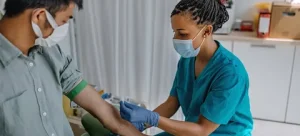
Many training providers allow students to practise on real volunteers under instructor supervision. This hands-on experience builds confidence and prepares learners for real clinical situations.
The more practical exposure you gain during training, the easier it becomes to transition into healthcare employment.
Step 3: Understand NHS Hiring Requirements
While there is no single mandatory qualification for phlebotomists in the UK, NHS employers look for candidates who demonstrate competence, professionalism, and patient care skills.
Common NHS expectations include:
- Recognized phlebotomy training
- Practical venipuncture experience
- Understanding of infection control
- Good communication skills
- Ability to work with diverse patients
- Knowledge of healthcare safety standards
Entry-level NHS phlebotomy jobs often fall under Band 2 or Band 3 roles within the NHS pay structure. These roles allow beginners to enter the healthcare system while gaining valuable clinical experience.
Step 4: Prepare a Strong Healthcare CV
A well-written CV can significantly increase your chances of getting shortlisted for NHS roles.
Your healthcare CV should highlight:
- Phlebotomy training certification
- Practical venipuncture experience
- Patient interaction skills
- Infection control knowledge
- Any healthcare or care assistant experience
Useful tips for NHS CVs include:
- Use clear and professional formatting
- Emphasize patient safety and communication
- Mention hands-on training hours
- Include relevant healthcare courses
Employers want to see that you understand the clinical environment and patient care responsibilities.
Step 5: Apply for Entry-Level Healthcare Roles
If you are new to healthcare, apply for related entry-level roles while searching for a dedicated phlebotomy position.
Possible entry routes include:
- Healthcare assistant roles
- Clinical support worker positions
- GP surgery support roles
- Community clinic assistants
These roles often involve working alongside nurses, doctors, and phlebotomists. They provide valuable exposure to healthcare environments and improve your chances of moving into a specialized phlebotomy position.
Step 6: Continue Developing Your Clinical Skills
Healthcare careers grow through continuous learning. Even after securing your first job, improving your clinical skills can open more opportunities.
You can develop your career by:
- Practicing venipuncture regularly
- Learning advanced blood collection techniques
- Understanding laboratory procedures
- Completing additional healthcare courses
Some professionals begin with a One-day phlebotomy course and later expand their skills with further training or clinical experience. This gradual approach allows individuals to build confidence as they progress in the healthcare sector.
Step 7: Progress Within the NHS
Working as a phlebotomist can lead to several career development opportunities.
Possible progression paths include:
- Senior phlebotomist roles
- Laboratory technician positions
- Healthcare assistant advancement
- Nursing training pathways
- Clinical support roles
Because phlebotomy provides direct patient experience, it can also serve as a stepping stone to other healthcare careers.
Many professionals start in phlebotomy and later pursue nursing, biomedical science, or other clinical fields.
Key Skills for Successful Phlebotomists
Employers value technical ability, but soft skills are equally important.
Successful phlebotomists typically demonstrate:
- Strong communication skills
- Attention to detail
- Compassion for patients
- Calmness under pressure
- Manual dexterity
- Professional ethics
Patients may feel anxious about blood tests, so the ability to reassure them and provide a comfortable experience is essential.
Why Phlebotomy Is a Good Entry Point into Healthcare
Phlebotomy has become one of the most practical ways to enter the healthcare industry.
Benefits include:
- Short training period
- High demand in healthcare settings
- Opportunities within the NHS
- Valuable patient interaction experience
- Pathway to advanced medical careers
For many individuals, phlebotomy offers the perfect balance between quick entry and meaningful healthcare work.
Conclusion
Starting a career in healthcare does not always require years of university study. Phlebotomy provides a practical route into the medical field while allowing you to develop essential clinical skills.
By completing professional training, gaining practical experience, and preparing a strong healthcare CV, you can build a clear pathway from learning phlebotomy to working within the NHS.
With dedication and continued skill development, phlebotomy can open doors to long-term healthcare careers and meaningful opportunities to support patient care across the UK.
FAQs
1. How long does it take to become a phlebotomist in the UK?
Training can be completed in a short period, often within days or weeks, depending on the course and the practical training included.
2. Do NHS phlebotomists need formal qualifications?
The NHS usually requires recognized training and practical venipuncture experience rather than a specific degree.
3. Is phlebotomy a good career choice?
Yes. Phlebotomy offers strong job demand, patient interaction, and opportunities for career progression within healthcare.
4. Can beginners join phlebotomy training?
Yes. Many courses are designed specifically for beginners who have no prior healthcare experience.
5. Where do phlebotomists usually work?
Phlebotomists commonly work in hospitals, GP surgeries, diagnostic laboratories, and private clinics.