







Introduction
Sweat is natural, but body odor can feel embarrassing. For thousands of years, people have sought ways to stop underarm odor. From ancient mixes of herbs to today’s advanced sprays and sticks, the evolution of deodorants tells a story of human ingenuity. In this article, we journey through time to see how deodorant moved from simple pastes to high-tech sprays. You’ll learn why certain ingredients came and went, how marketing shaped our habits, and what the future holds for underarm odor solutions. Let’s dive in and uncover this fascinating battle against smelly underarms.
Ancient Remedies for Odor Control
Long before stores sold antiperspirant sticks, people used natural ingredients to mask odor:
- Egyptian Oils and Perfumes (c. 1500 BCE): Egyptians bathed daily and applied scented oils made from myrrh, cinnamon, and frankincense. These fragrances covered body smells and felt luxurious.
- Ancient Greece’s Powdered Scents (c. 400 BCE): Greeks used powders made from clay and crushed herbs like rosemary and lavender. Rubbing these on the body helped absorb sweat and add a fresh scent.
- Roman Baetylus Stones (1st Century CE): Romans carried small stone charms scented with flowers and herbs. They believed these charms kept them smelling good during public baths and feasts.
These early methods relied on natural materials. While not always effective, they show our ancestors’ drive to stay fresh.
Medieval and Renaissance Approaches
During the Middle Ages and Renaissance, hygiene standards varied, but people still tried to manage odor:
- Herb Sachets: Small cloth bags filled with mint, rosemary, or dried rose petals were tucked under clothing to mask body odor.
- Vinegar Rinses: Vinegar diluted in water became a simple “deodorant rinse.” The acid helped kill bacteria that cause smell.
- Rose Water and Orange Blossom: Perfumed waters from flowers were sprayed on skin or added to bathing water for a pleasant aroma.
These practices blended hygiene with fashion. Scented handkerchiefs and gloves also reflected status and cleanliness.
19th Century: Birth of Commercial Deodorants
As cities grew and industrial work increased, stronger solutions emerged:
- Mum Deodorant (1888): Chemist Edna Murphey created Mum, the first commercial underarm cream. It used zinc oxide to fight odor-causing bacteria. Sold as a jarred cream, Mum set the stage for modern deodorants.
- Early Advertisements: Mum’s marketers pitched the product to women worried about “social odor.” Ads in magazines and newspapers claimed Mum provided “all-day confidence” without harsh chemicals.
Mum’s success inspired competitors and moved deodorant from home remedies to mass-produced products.
20th Century: Antiperspirants and Aerosols
The 1900s brought major innovations in sweat and odor control:
Introduction of Antiperspirants
- 1941 – Stopette: The first spray antiperspirant, Stopette, used aluminum chlorohydrate to block sweat glands temporarily. It sprayed on like perfume, a new concept at the time.
- Aluminum Compounds: By the 1950s, antiperspirants containing aluminum zirconium tetrachlorohydrex gly became popular. These compounds formed gel plugs in sweat ducts, reducing sweat by up to 30–50%.
Rise of Aerosol Sprays
- 1952 – Ban Roll-On: Mennen’s Ban introduced the first roll-on antiperspirant. It combined convenience with clinical sweat control.
- 1960s–70s – Aerosol Boom: Pressurized cans delivered quick, even sprays. However, concerns about ozone layer damage led to changes in propellants during the 1980s.
These products shaped modern hygiene habits. Today, antiperspirant sticks, roll-ons, and sprays line store shelves worldwide.
Deodorant vs. Antiperspirant: What’s the Difference?
Though often used interchangeably, deodorants and antiperspirants work differently:
- Deodorants: Target bacteria that cause odor. They use antimicrobial agents (like triclosan) and fragrances to mask or stop smell.
- Antiperspirants: Use aluminum-based compounds to temporarily block sweat glands. Less sweat means less moisture for bacteria to grow.
Many products now combine both functions. Labels like “0% aluminum” or “all-natural” refer to deodorant-only formulas for consumers avoiding aluminum.
Natural and Crystal Deodorants
In recent decades, consumer demand for clean-label products rose:
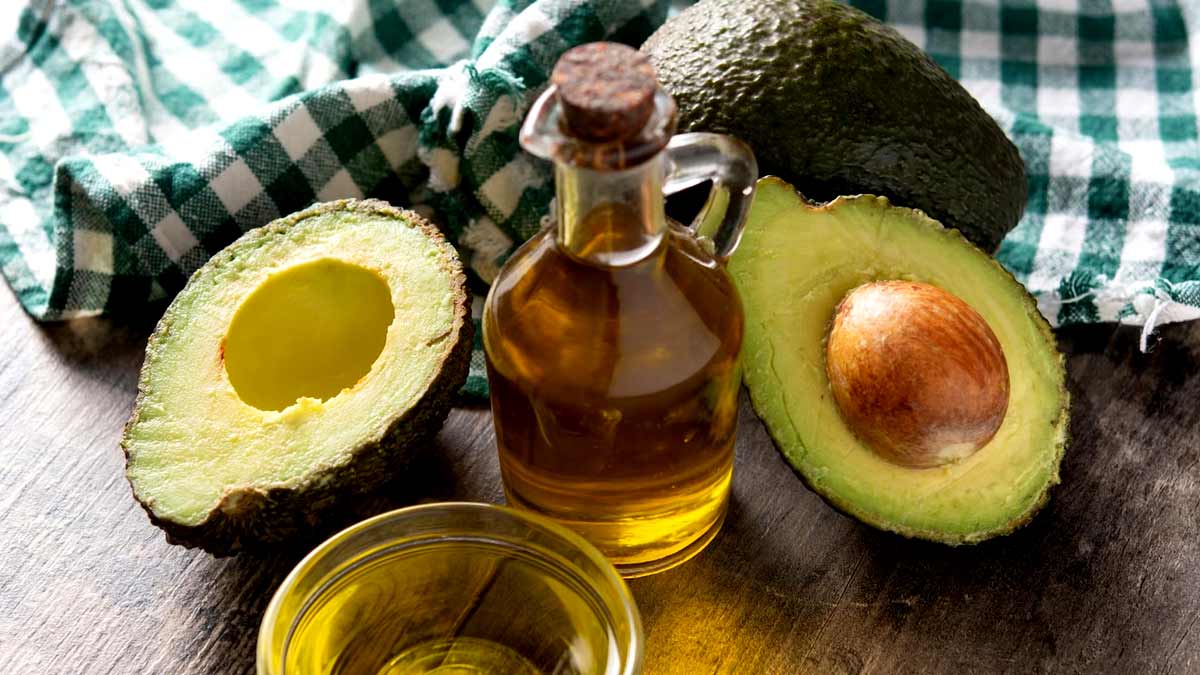
- Baking Soda and Essential Oils: Homemade deodorants often mix baking soda, coconut oil, and lavender or tea tree oil. These ingredients neutralize odor and moisturize skin.
- Mineral Salt Crystals: Rock crystal sticks (potassium alum) claim to inhibit bacteria—no aluminum compounds are added. Wetting the stick and applying it leaves a thin layer that dries clear.
- Plant-Based Formulas: Brands like Schmidt’s and Native use arrowroot powder, shea butter, and plant extracts to offer baking-soda-free options for sensitive skin.
While some users praise natural deodorants, others find them less effective during intense activity. Formulation advances continue to improve their performance.
Marketing, Social Trends, and Cultural Impact
Deodorant ads often reflect cultural values of each era:
- 1950s–60s: Ads showed poised women in dresses, stressing “feminine freshness” and social grace.
- 1970s – Shower Power: The “Shower Power” campaign for Secret deodorant highlighted bonding moments and social confidence.
- 1990s–2000s: Unisex products and edgy marketing addressed both men and women, featuring sports stars and rock music backdrops.
Social media now shapes trends. Influencers review products, post tutorials, and promote cruelty-free or sustainable brands. Consumers seek transparency in sourcing and packaging.
Modern Innovations and Technology
Today’s deodorants blend science and user preferences:
- Time-Release Technology: Some sticks use microcapsules that release fragrance throughout the day.
- Sweat-Activated Scents: Agents that boost scent only when you sweat, keeping the fragrance subtle at first.
- pH-Balancing Formulas: Deodorants that match the skin’s pH to prevent irritation.
- Eco-Friendly Packaging: Refillable containers and compostable tubes reduce plastic waste.
These innovations aim to meet diverse needs—sensitive skin, vegan preferences, and environmental concerns—while keeping odor at bay.
The Future of Sweat and Odor Care
Looking ahead, deodorant trends point to even smarter solutions:
- Wearable Sensors: Prototype patches that alert you when to reapply deodorant based on sweat levels.
- Probiotic Deodorants: Products with live bacteria designed to outcompete odor-causing microbes instead of killing them.
- AI-Driven Personalization: Apps that recommend formulas based on your diet, activity level, and skin type.
- Sustainable Sourcing: More brands pledging zero-waste packaging, carbon-neutral production, and ethical ingredient sourcing.
As our understanding of skin microbiomes and materials science grows, deodorants will become more effective, personalized, and eco-friendly.
Conclusion
The evolution of deodorants reveals our long fight against underarm odor, from scented oils in ancient Egypt to modern biotech solutions. With each era, innovations tackled sweat and bacteria in new ways—jarred creams, sprays, crystals, and high-tech formulas. As consumer values shift toward clean ingredients and sustainability, the deodorant industry adapts with eco-friendly packaging, probiotic science, and smart delivery systems. While sweat is a natural process, the right deodorant helps us feel fresh, confident, and ready for anything. Whether you choose a classic stick or a next-gen probiotic formula, the battle against smelly underarms continues—and the future looks fresher than ever.