




The engine stands at the core of every luxury car. It defines character, performance, and refinement. While design and comfort attract attention, engine engineering determines how a vehicle feels on the road. Luxury car engines deliver more than speed. They provide smoothness, silence, instant response, and long-term reliability.
Unlike standard vehicles, luxury cars rely on carefully engineered engines that balance power with elegance. Manufacturers invest heavily in materials, technology, and testing to achieve this balance. As a result, luxury car engines represent some of the most advanced mechanical systems in the automotive world.
Formation of a Luxury Car Engine
The formation of a luxury car engine begins long before assembly. Engineers first define performance goals such as power delivery, noise control, and fuel efficiency. They then select engine architecture that suits the vehicle’s purpose.
Many luxury cars use V6, V8, or V12 configurations because these layouts offer smooth operation. For instance, Rolls-Royce builds its engines to prioritize effortless motion rather than aggressive acceleration. The formation process focuses on balance, vibration control, and thermal stability.
Manufacturers also use advanced alloys and precision casting. These materials reduce weight while increasing strength. As a result, engines perform consistently under varying conditions.
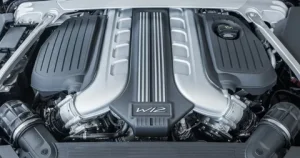
Precision Engineering and Component Design
Luxury car engines rely on extreme precision. Every piston, valve, and crankshaft must operate in perfect harmony. Even minor imbalance can affect comfort.
Engineers design tighter tolerances to reduce friction and noise. They also apply advanced coatings to internal components. These coatings improve durability and heat resistance.
In models like the BMW 7 Series, engineers combine traditional mechanical expertise with digital simulation. This approach allows engines to deliver strong performance while remaining quiet at cruising speeds.
Precision engineering ensures that luxury engines feel refined, even at high output levels.
How Luxury Car Engines Work
The working principle of a luxury car engine follows the internal combustion cycle or electric propulsion. However, execution makes the difference.
In combustion engines, fuel and air mix inside the cylinder. The spark ignites the mixture, creating controlled force. Luxury engines manage this process smoothly and efficiently. They use advanced fuel injection systems and intelligent engine control units.
Turbocharging also plays a major role. Instead of increasing engine size, manufacturers add turbochargers to boost power without sacrificing refinement. This method improves acceleration while maintaining fuel efficiency.
Electric and hybrid luxury engines operate differently. They deliver instant torque and silent operation, which enhances driving comfort.
Performance Without Harshness
Performance in a luxury car means controlled power rather than raw aggression. The engine must respond instantly but never feel abrupt.
Luxury engines deliver torque across a wide range of speeds. This design allows smooth overtaking and relaxed cruising. For example, the Mercedes-Benz S-Class uses engines tuned for seamless acceleration. Drivers experience strength without strain.
Engine mounts and balancing shafts further reduce vibration. As a result, the cabin remains calm even under load. This refined performance separates luxury cars from sports-focused vehicles.
Engineering for Silence and Smoothness
Noise reduction remains a top priority in luxury engine design. Engineers focus on combustion timing, exhaust tuning, and insulation.
Luxury car engines often operate at lower revolutions during normal driving. This approach minimizes noise and wear. Additionally, acoustic materials surround the engine bay to block unwanted sound.
Some manufacturers use active noise cancellation. Sensors detect engine frequencies and counteract them through speakers. This technology creates a serene driving environment.
Silence does not mean lack of power. Instead, it reflects advanced engineering control.
Fuel Efficiency and Intelligent Power Management
Modern luxury car engines balance power with efficiency. This balance improves sustainability without sacrificing performance.
Engine management systems adjust fuel delivery based on driving conditions. Cylinder deactivation also plays a role. During light loads, the engine shuts down some cylinders to save fuel.
Hybrid systems further enhance efficiency. Electric motors assist the engine during acceleration and low-speed driving. This integration reduces fuel consumption and emissions.
In vehicles like the Lexus LS, hybrid engines provide smooth transitions between electric and combustion power. The result feels seamless to the driver.
Materials Used in Luxury Engine Construction
Material selection directly affects engine longevity and performance. Luxury engines use aluminum blocks, forged steel crankshafts, and ceramic-coated components.
Aluminum reduces weight and improves heat dissipation. Meanwhile, forged components withstand high stress. Ceramic coatings protect parts from friction and extreme temperatures.
Manufacturers test these materials under extreme conditions. This testing ensures reliability over long ownership periods.
Material quality also supports consistent engine behavior, which luxury buyers expect.
Custom Tuning and Brand Identity
Each luxury brand develops a unique engine character. Some focus on quiet authority, while others emphasize sporty refinement.
Engine tuning determines throttle response, sound profile, and power delivery. Software plays a major role here. Engineers program engine behavior to match brand philosophy.
For example, Bentley tunes its engines to feel powerful yet composed. This tuning creates a distinct driving identity.
Customization options also exist. Buyers can choose engine variants that suit their preferences, from efficiency-focused setups to high-performance configurations.
Reliability and Long-Term Durability
Luxury car engines must perform consistently for years. Reliability builds trust and preserves value.
Manufacturers conduct extended endurance testing. Engines run thousands of hours under varying loads and temperatures. This testing reveals weaknesses before production.
Additionally, advanced diagnostics monitor engine health in real time. These systems alert drivers to potential issues early. Preventive maintenance becomes easier and more effective.
As a result, luxury engines maintain performance and refinement throughout their lifespan.
The Shift Toward Electrified Luxury Engines
Electrification shapes the future of luxury car engines. Electric powertrains offer instant torque and near-silent operation.
Luxury brands now integrate electric motors with traditional engines. This combination enhances both performance and comfort. Fully electric luxury cars eliminate vibration entirely.
However, engineering complexity increases. Battery management, thermal control, and software integration require advanced expertise.
Despite this complexity, electrification aligns perfectly with luxury values such as smoothness and control.
The Future of Engine Engineering in Luxury Cars
Future luxury engines will rely more on intelligence than displacement. Artificial intelligence will optimize power delivery in real time. Adaptive systems will learn driver behavior and adjust engine response.
Sustainable fuels and advanced batteries will further reduce environmental impact. At the same time, craftsmanship and precision will remain essential.
The engine will continue to define the essence of a luxury car, even as technology evolves.
Conclusion
The engine represents the heart of a luxury car. From formation and engineering to performance and longevity, every aspect reflects precision and purpose. Luxury engines deliver power without harshness, efficiency without compromise, and reliability without concern.
As innovation accelerates, luxury car engines will become cleaner, smarter, and more refined. Yet the core philosophy will remain unchanged: effortless performance engineered to perfection.