





A thermocol sheet is one of the most widely used and versatile materials across multiple industries because of its lightweight structure, excellent thermal insulation, shock-absorbing properties, moisture resistance, and affordability. Manufactured from Expanded Polystyrene (EPS), thermocol sheets have become an essential material for construction, packaging, refrigeration, interior decoration, industrial applications, and educational projects. Their unique combination of strength, durability, and low weight makes them a practical solution for both residential and commercial purposes.
In today’s competitive market, industries and homeowners are constantly searching for materials that provide high performance without increasing project costs. Thermocol sheets meet these requirements by offering reliable insulation, easy handling, and long-lasting performance at an economical price. Whether you need to insulate a building, package delicate products, create decorative displays, or build architectural models, thermocol sheets provide an efficient and cost-effective solution.
What Is a Thermocol Sheet?
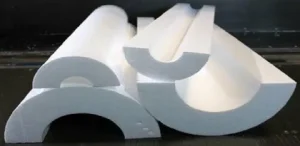
A thermocol sheet is a rigid foam board manufactured from Expanded Polystyrene (EPS). During production, tiny polystyrene beads are heated with steam, causing them to expand significantly. These expanded beads are then fused together inside specially designed molds to create lightweight sheets of varying thicknesses, densities, and dimensions.
The closed-cell structure of thermocol contains millions of tiny air pockets that provide excellent insulation against heat transfer while maintaining an extremely low weight. This structure also makes thermocol resistant to moisture absorption and capable of absorbing shocks during transportation. Due to these qualities, thermocol sheets have become one of the most preferred insulation and packaging materials in various industries.
Available in different grades and sizes, thermocol sheets can be selected according to the specific needs of construction projects, manufacturing facilities, cold storage units, educational institutions, and commercial businesses.
Key Features of Thermocol Sheet
Thermocol sheets are valued because they combine multiple beneficial characteristics into one versatile material.
Lightweight Structure
One of the biggest advantages of thermocol sheets is their exceptionally low weight. Even large sheets can be lifted, transported, and installed without requiring specialized equipment. This significantly reduces labor costs and simplifies handling during construction or packaging operations.
Excellent Thermal Insulation
Thermocol sheets are widely recognized for their outstanding thermal insulation capabilities. The trapped air inside the closed-cell structure minimizes heat transfer, helping maintain stable indoor temperatures. This makes thermocol an ideal insulation material for roofs, walls, ceilings, cold storage rooms, and refrigeration systems.
Moisture Resistance
Unlike several conventional insulation materials, thermocol absorbs very little moisture. This helps preserve its insulation efficiency even in humid environments while reducing the risk of mold growth and structural deterioration.
Superior Shock Absorption
The cellular composition of thermocol provides outstanding cushioning against impacts and vibrations. This makes thermocol sheets an excellent packaging material for transporting fragile products such as electronics, glassware, medical equipment, laboratory instruments, household appliances, and delicate industrial components.
Easy to Cut and Shape
Thermocol sheets can be easily cut, carved, molded, and shaped using simple tools. Their flexibility makes them ideal for architectural models, exhibition displays, decorative panels, stage designs, educational projects, and creative artwork.
Long Service Life
When properly installed and protected from excessive physical damage and direct sunlight, high-quality thermocol sheets maintain their shape and insulation performance for many years. Their durability contributes to reduced maintenance costs and dependable long-term performance.
Common Applications of Thermocol Sheet
The versatility of thermocol sheets allows them to serve countless purposes across different industries.
Building Insulation
Construction companies extensively use thermocol sheets for roof insulation, wall insulation, floor insulation, and ceiling insulation. They help reduce heat gain during summer and minimize heat loss during winter, creating a comfortable indoor environment while reducing energy consumption.
Protective Packaging
Thermocol sheets are widely used in packaging because they effectively protect fragile products against impact during shipping and storage. Manufacturers use custom-designed thermocol inserts for televisions, refrigerators, computers, medical devices, furniture, laboratory equipment, ceramic products, and glass items.
Cold Storage and Refrigeration
Cold storage warehouses, refrigerated vehicles, pharmaceutical storage facilities, vaccine transportation boxes, insulated containers, seafood packaging, and ice boxes all utilize thermocol sheets because of their excellent thermal insulation properties.
Interior Decoration
Architects and interior designers frequently use thermocol sheets to create decorative ceilings, exhibition booths, event backdrops, display panels, stage decorations, and false ceiling designs. Their lightweight nature allows creative installations without adding excessive structural load.
Arts and Crafts
Students, teachers, architects, designers, and artists use thermocol sheets for science models, architectural prototypes, educational projects, event decorations, signage, sculptures, and various creative applications. Their ease of cutting and shaping makes them highly suitable for artistic work.
Industrial Applications
Manufacturing industries use thermocol sheets for machinery insulation, industrial packaging, storage protection, and equipment transportation. Their lightweight design and insulation capabilities make them valuable in numerous industrial processes.
Benefits of Using Thermocol Sheet
Thermocol sheets offer several practical advantages that make them one of the most economical materials available.
Energy Efficiency
Thermocol reduces heat transfer effectively, lowering the workload on heating and cooling systems. This results in reduced electricity consumption and lower utility bills throughout the year.
Affordable Solution
Compared to many alternative insulation and packaging materials, thermocol sheets provide excellent performance at a much lower cost. Their affordability makes them suitable for projects of every size.
Quick Installation
The lightweight construction allows workers to install thermocol sheets quickly with minimal effort. Faster installation reduces labor costs and shortens project completion time.
Reliable Durability
Properly installed thermocol sheets maintain consistent insulation performance for many years. Their resistance to moisture and structural stability contribute to their long service life.
Multiple Applications
One of the greatest advantages of thermocol sheets is their versatility. A single material can be used for insulation, packaging, interior decoration, industrial protection, educational projects, and creative design work.
Reduced Transportation Costs
Because thermocol sheets are lightweight, transportation becomes significantly more economical. Businesses benefit from lower shipping expenses while maintaining effective product protection.
Improved Product Safety
When used for packaging, thermocol minimizes product damage during transportation. This reduces replacement costs, customer complaints, and product returns while improving customer satisfaction.
How to Choose the Right Thermocol Sheet
Choosing the correct thermocol sheet depends on several important factors.
Thickness
Thicker thermocol sheets generally provide superior insulation and greater mechanical strength. Select the thickness according to your insulation or packaging requirements.
Density
Higher-density sheets offer better durability and load-bearing capacity, making them suitable for construction and industrial applications. Lower-density sheets are commonly used for lightweight packaging and decorative purposes.
Size
Thermocol sheets are available in different standard dimensions. Choosing the correct size reduces cutting waste and improves installation efficiency.
Product Quality
Always purchase thermocol sheets from trusted manufacturers that follow recognized quality standards. High-quality products provide better insulation, improved durability, and consistent performance.
Intended Application
Consider where and how the thermocol sheet will be used. Construction projects, packaging requirements, refrigeration systems, and decorative installations may require different specifications.
Maintenance and Handling Tips
Although thermocol sheets require very little maintenance, following proper handling practices helps maximize their performance and lifespan.
- Store sheets in a dry, clean location.
- Avoid prolonged exposure to direct sunlight.
- Keep thermocol away from open flames and excessive heat.
- Handle carefully during transportation to prevent unnecessary breakage.
- Use adhesives specifically formulated for Expanded Polystyrene (EPS).
- Clean installation surfaces before fixing the sheets.
- Protect exposed thermocol with suitable finishing materials in construction projects.
- Avoid contact with harsh chemical solvents that may damage the material.
These simple maintenance practices help preserve the sheet’s insulation efficiency and structural stability for many years.
Why Thermocol Sheet Is a Smart Investment
Whether you are constructing a residential building, insulating a commercial facility, transporting expensive products, or creating decorative installations, thermocol sheets provide an excellent balance of performance, affordability, and durability. Their lightweight nature reduces transportation and installation costs, while their insulation capabilities contribute to lower energy bills and improved indoor comfort.
Businesses benefit from enhanced packaging protection, fewer damaged shipments, and reduced logistics costs. Homeowners enjoy better thermal comfort and improved energy efficiency. Designers appreciate the material’s flexibility for creative projects, while educational institutions continue to rely on thermocol sheets for practical learning activities.
As sustainability and energy conservation become increasingly important, thermocol sheets remain a valuable solution for improving insulation performance and reducing energy consumption across residential, commercial, and industrial sectors.
Conclusion
A thermocol sheet is a highly versatile, lightweight, and cost-effective material that serves a wide variety of applications in construction, packaging, refrigeration, interior decoration, industrial manufacturing, and creative projects. Its outstanding thermal insulation, moisture resistance, impact absorption, ease of fabrication, and long-lasting durability make it one of the most dependable materials available today.
Whether your goal is to improve a building’s energy efficiency, protect valuable products during transportation, enhance cold storage performance, or create innovative decorative and educational projects, investing in high-quality thermocol sheets provides reliable and long-term value. By selecting the right thickness, density, size, and quality from a trusted supplier, you can maximize the performance of thermocol sheets while reducing costs and improving efficiency. As industries continue to seek practical, economical, and energy-efficient materials, thermocol sheets will remain an indispensable solution for countless residential, commercial, and industrial applications.