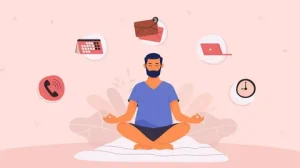
Stress is a natural part of life. Everyone experiences it at some point, whether from work, school, relationships, or personal responsibilities. While short-term stress can help you stay alert and focused, ongoing stress can affect both your physical and mental health. Learning effective stress management techniques can help you stay calm, think clearly, and handle challenges with greater confidence.
Managing stress does not require dramatic changes. Instead, small daily habits can make a significant difference. With consistency and patience, you can improve your emotional well-being and enjoy a healthier, more balanced lifestyle.
Identify the Sources of Stress
Recognize Your Triggers
The first step in managing stress is understanding what causes it. Everyone responds differently to challenging situations. Some people feel overwhelmed by work deadlines, while others struggle with financial concerns, family responsibilities, or health issues.
Keep a journal for a few days and write down situations that increase your stress levels. You may begin to notice patterns that help you understand your triggers. Once you identify them, you can create practical strategies to deal with them more effectively.
Focus on What You Can Control
Not every stressful situation is within your control. However, you can control how you respond to it. Instead of worrying about every possible outcome, focus your energy on actions that move you forward. This mindset helps reduce unnecessary anxiety and encourages problem-solving.
Stay Physically Active
Exercise to Relieve Stress
Regular exercise is one of the most effective stress management techniques. Physical activity helps release endorphins, which naturally improve your mood and reduce feelings of tension.
You do not need an intense workout to experience the benefits. Walking, cycling, swimming, yoga, or dancing for at least 30 minutes most days of the week can help you feel more relaxed and energized.
Spend Time Outdoors
Nature has a calming effect on the mind. Spending time outside allows you to disconnect from daily pressures and recharge mentally. A walk through a park or a quiet garden can reduce stress while improving your overall mood.
Practice Relaxation Techniques
Deep Breathing Exercises
Deep breathing is a simple yet powerful way to calm your mind. Slow, controlled breathing helps reduce your heart rate and relax your muscles.
Take a deep breath through your nose for four seconds. Hold it briefly, then exhale slowly through your mouth. Repeat this process several times whenever you feel overwhelmed.
Meditation and Mindfulness
Mindfulness encourages you to focus on the present moment instead of worrying about the past or future. Even ten minutes of daily meditation can improve concentration and reduce stress.
You can also practice mindfulness during everyday activities like eating, walking, or drinking tea. Paying attention to simple moments helps quiet a busy mind.
Build Healthy Daily Habits
Get Enough Sleep
Quality sleep allows your body and mind to recover from daily challenges. Most adults need seven to nine hours of sleep each night. Create a relaxing bedtime routine by avoiding screens before bed, keeping your bedroom comfortable, and maintaining a consistent sleep schedule.
Eat Nutritious Foods
A balanced diet supports both physical and mental health. Fresh fruits, vegetables, whole grains, lean proteins, and healthy fats provide your body with the nutrients it needs to function well.
Try to limit processed foods, sugary snacks, and excessive caffeine. Healthy eating can improve energy levels and help your body respond better to stress.
Manage Your Time Effectively
Plan Your Day
Poor time management often leads to unnecessary pressure. Start each day by creating a realistic to-do list. Focus on your most important tasks first and break larger projects into smaller steps. Completing one task at a time helps you stay organized and prevents feelings of being overwhelmed.
Learn to Say No
Taking on too many responsibilities can increase stress. It is important to understand your limits and decline additional commitments when necessary. Protecting your time allows you to maintain a healthier balance between work and personal life.
Strengthen Your Support System
Talk to Someone You Trust
Sharing your thoughts with family members or close friends can ease emotional burdens. Sometimes, simply talking about a problem helps you see it more clearly. Supportive relationships provide encouragement during difficult times and remind you that you are not facing challenges alone.
Spend Quality Time with Others
Positive social interactions improve emotional well-being. Plan regular activities with people who make you feel comfortable and supported. Even short conversations or shared meals can lift your mood.
Take Breaks Throughout the Day
Avoid Mental Exhaustion
Working for long periods without rest reduces focus and increases stress. Schedule short breaks throughout your day to refresh your mind. Stand up, stretch, walk around, or step outside for a few minutes. These small pauses improve productivity while helping you stay mentally refreshed.
Develop Positive Thinking Habits
Practice Gratitude
Focusing on positive aspects of your life can shift your perspective. Take a few minutes each day to write down things you appreciate. They may be small achievements, supportive people, or simple moments that brought you happiness.
Replace Negative Self-Talk
Negative thoughts often increase stress. Instead of criticizing yourself, practice encouraging and realistic self-talk. Remind yourself that mistakes are opportunities to learn and grow.
Enjoy Activities That Bring You Joy
Make Time for Hobbies
Hobbies provide a healthy escape from daily pressures. Reading, gardening, painting, cooking, listening to music, or learning a new skill can help you relax and improve your mood. Doing something you genuinely enjoy gives your mind a chance to recover from stress.
Know When to Seek Professional Support
While healthy habits can reduce everyday stress, some situations require additional support. If stress becomes overwhelming or begins affecting your work, relationships, or overall well-being, consider speaking with a qualified mental health professional.
Seeking help is a positive step toward improving your quality of life. Professional guidance can provide effective strategies tailored to your specific needs.
Conclusion
Learning effective stress management techniques can improve both your mental and physical well-being. Regular exercise, healthy eating, quality sleep, mindfulness, good time management, and strong social connections all play an important role in reducing stress. Small daily changes often lead to lasting results. By practicing these habits consistently, you can build resilience, handle life’s challenges more confidently, and enjoy a healthier, calmer, and more balanced lifestyle.