







Cloud computing has transformed the way people store data, run applications, and manage technology. Instead of relying on physical servers or local storage devices, businesses and individuals can now access computing resources over the internet whenever they need them. This shift has made technology more flexible, affordable, and efficient for organizations of every size. As a result, cloud computing has become one of the most important innovations in the digital world.
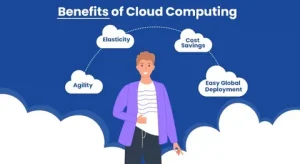
The growing popularity of cloud services comes from the many advantages they provide. Companies no longer need to invest heavily in expensive hardware or spend countless hours maintaining complex IT infrastructure. Individuals also benefit from being able to access files, applications, and services from almost any device. Understanding the benefits of cloud computing helps businesses make smarter technology decisions while allowing users to take full advantage of modern digital solutions.
What Is Cloud Computing?
Cloud computing refers to the delivery of computing services over the internet instead of relying solely on local computers or physical servers. These services include data storage, software applications, networking, databases, and processing power that users can access whenever they need them. Rather than purchasing and maintaining expensive equipment, businesses pay only for the resources they use.
Cloud providers manage the underlying infrastructure, allowing organizations to focus on their core operations instead of worrying about hardware maintenance. This approach simplifies technology management while giving businesses access to powerful computing resources that can scale with their needs. Consequently, companies become more agile and better prepared to adapt to changing market demands.
Reduced Costs and Better Budget Management
Lower Hardware Expenses
One of the biggest benefits of cloud computing is the reduction in technology costs. Traditional IT infrastructure requires businesses to purchase servers, networking equipment, storage devices, and backup systems. These investments often require significant upfront capital and ongoing maintenance expenses. Cloud computing eliminates many of these costs by allowing businesses to use shared infrastructure managed by cloud providers.
Companies no longer need to replace aging hardware or build expensive server rooms. Instead, they pay a subscription or usage-based fee that matches their actual needs. This predictable pricing model helps businesses manage budgets more effectively while reducing unnecessary spending on underutilized resources.
Reduced Maintenance Costs
Maintaining physical infrastructure requires skilled IT professionals, regular software updates, hardware repairs, and security monitoring. These responsibilities consume both time and financial resources. Cloud providers handle most maintenance tasks, including system updates, server management, and infrastructure monitoring.
As a result, internal IT teams can focus on strategic projects that support business growth instead of performing routine maintenance. This shift improves productivity while lowering overall operational costs.
Improved Scalability
Business needs often change over time. Some companies experience rapid growth, while others face seasonal fluctuations in demand. Cloud computing allows organizations to increase or decrease computing resources quickly without purchasing additional hardware.
This flexibility ensures businesses only pay for what they actually use. During periods of high demand, companies can expand their resources within minutes. When demand decreases, they can scale back just as easily. Consequently, businesses remain efficient while avoiding unnecessary technology expenses.
Greater Flexibility and Accessibility
Cloud computing allows users to access files, applications, and business systems from almost anywhere with an internet connection. Employees no longer need to remain in the office to complete important tasks. Instead, they can work from home, travel, or collaborate across different locations without losing access to essential business resources.
This accessibility also improves business continuity. Teams can continue working during unexpected events because cloud-based systems remain available across multiple devices. Whether using a laptop, tablet, or smartphone, employees stay connected and productive regardless of their location.
Better Collaboration Across Teams
Real-Time File Sharing
Modern businesses rely on teamwork to complete projects efficiently. Cloud computing makes collaboration much easier by allowing multiple users to access, edit, and share documents simultaneously. Team members no longer need to email multiple file versions back and forth because everyone works from the same document in real time.
This approach reduces confusion while improving communication between departments. Employees can review updates instantly, leave comments, and monitor changes without creating duplicate files. As a result, projects move forward more quickly and with fewer errors.
Improved Remote Work Support
Remote and hybrid work environments have become increasingly common in recent years. Cloud computing supports these flexible work arrangements by providing secure access to company resources from virtually any location. Employees remain productive without depending on office-based servers or physical storage devices.
Businesses also benefit from easier communication because cloud-based collaboration tools integrate messaging, video conferencing, project management, and document sharing into one connected environment. This seamless experience strengthens teamwork regardless of where employees are located.
Enhanced Data Security
Many people assume storing data online creates additional security risks, but reputable cloud providers invest heavily in protecting customer information. They use advanced encryption, continuous monitoring, firewalls, and security updates to defend against cyber threats. These protections often exceed the security capabilities of small organizations managing their own infrastructure.
Cloud providers also maintain dedicated cybersecurity teams that monitor systems around the clock. They quickly respond to emerging threats and apply security patches as vulnerabilities appear. Consequently, businesses benefit from enterprise-level protection without managing every security task themselves.
Reliable Backup and Disaster Recovery
Data loss can occur because of hardware failures, accidental deletion, cyberattacks, or natural disasters. Cloud computing helps minimize these risks by automatically backing up important information across multiple secure locations. This redundancy ensures businesses can recover critical files even if one data center experiences technical problems.
Disaster recovery also becomes much faster with cloud technology. Instead of rebuilding damaged servers manually, organizations can restore systems and data from secure backups within a relatively short time. This reduces downtime while allowing businesses to resume normal operations more quickly.
Automatic Software Updates
Keeping software up to date remains essential for both performance and security. Traditional systems often require businesses to install updates manually, which consumes valuable time and may interrupt daily operations. Cloud providers simplify this process by handling updates automatically.
Automatic updates ensure businesses always have access to the latest features, performance improvements, and security protections. Employees continue working with current software versions without managing complex installation processes. This convenience reduces administrative work while improving overall system reliability.
Increased Productivity
Cloud computing improves productivity by giving employees immediate access to the tools and information they need. Instead of waiting for software installations or file transfers, users can begin working almost instantly. Faster access to resources allows teams to complete projects more efficiently and respond quickly to customer needs.
Cloud-based applications also integrate with many other business systems. This integration reduces manual data entry and streamlines workflows across different departments. Consequently, businesses save time while improving operational efficiency and employee performance.
Environmental Benefits
Cloud computing can also support sustainability efforts. Large cloud providers operate highly optimized data centers that use energy-efficient hardware and advanced cooling technologies. By sharing computing resources among many customers, they reduce the overall energy consumption compared to maintaining thousands of separate private servers.
Businesses that migrate to the cloud often decrease their electricity usage and reduce electronic waste because they purchase less hardware. These improvements help organizations lower their environmental impact while supporting long-term sustainability goals.
Choosing the Right Cloud Solution
Selecting the right cloud service depends on your specific needs and business objectives. Some organizations prioritize secure file storage, while others require advanced computing power, software development platforms, or large-scale data analytics. Understanding your current requirements makes it easier to choose the most suitable cloud solution.
Businesses should also evaluate reliability, security features, customer support, pricing, and scalability before selecting a cloud provider. Choosing a trusted provider ensures long-term performance while supporting future business growth. Careful planning helps maximize the value of cloud computing investments.
Conclusion
The benefits of cloud computing extend far beyond simple online storage. Businesses gain lower operating costs, greater flexibility, stronger security, improved collaboration, reliable backups, and the ability to scale resources as their needs change. Individuals also enjoy easier access to files, better device synchronization, and greater convenience in their daily digital activities.
As technology continues to evolve, cloud computing will remain a key driver of innovation across nearly every industry. Organizations that embrace cloud solutions position themselves for greater efficiency, improved competitiveness, and sustainable long-term growth. By understanding its advantages and selecting the right services, businesses and individuals can fully benefit from everything cloud computing has to offer.