




Technology continues to evolve at an incredible pace, changing the way people work, communicate, shop, and solve everyday problems. Every year, new innovations reshape industries and create opportunities for businesses to improve efficiency and deliver better customer experiences. At the same time, individuals benefit from smarter devices, faster services, and more personalized digital experiences. As a result, staying informed about emerging technologies has become essential for professionals and organizations alike.
Understanding the latest technology trends helps businesses prepare for future challenges while identifying new opportunities for growth. Companies that adopt modern technologies often improve productivity, reduce operational costs, and gain a competitive advantage in their industries. Likewise, individuals who keep up with technological advancements develop valuable skills that remain relevant in an increasingly digital world. This guide explores the most important technology trends that continue to shape the future across multiple industries.
Artificial Intelligence Continues to Lead Innovation
AI Is Becoming Part of Everyday Business
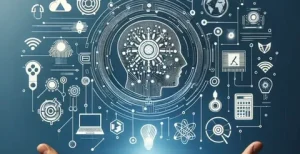
Artificial intelligence remains one of the fastest-growing technology trends worldwide. Businesses use AI to automate repetitive tasks, analyze large amounts of data, improve customer service, and create personalized user experiences. Instead of replacing employees, AI helps teams work more efficiently by handling routine activities and providing valuable insights. Consequently, organizations can focus more on innovation, strategy, and customer relationships.
AI also continues to improve through advancements in machine learning and generative technology. Modern AI tools can generate text, images, videos, software code, and business reports within seconds. As these technologies become more accurate and accessible, businesses of every size continue integrating AI into their daily operations.
AI Is Expanding Across Industries
Healthcare providers use artificial intelligence to support medical diagnoses and improve patient care. Financial institutions rely on AI to detect fraud and analyze market trends, while retailers personalize shopping experiences through intelligent recommendations. Educational institutions also use AI to create customized learning experiences for students. This broad adoption demonstrates how artificial intelligence continues transforming nearly every industry.
Cloud Computing Drives Business Growth
Cloud computing remains a key technology trend because it provides flexibility, scalability, and cost savings. Instead of maintaining expensive physical servers, businesses can access computing resources through cloud platforms whenever they need them. This approach allows organizations to expand operations quickly while reducing infrastructure costs. As a result, companies become more agile and better prepared to respond to changing business demands.
Cloud technology also supports remote work and global collaboration. Employees can securely access applications, documents, and business systems from almost any location with an internet connection. This accessibility improves productivity while making teamwork easier across different offices and time zones.
Cybersecurity Becomes More Important
As technology advances, cyber threats continue becoming more sophisticated. Businesses now store more sensitive information online than ever before, making cybersecurity a top priority. Organizations invest in advanced security solutions to protect customer data, prevent cyberattacks, and maintain business continuity. Strong cybersecurity strategies have become essential rather than optional.
Artificial intelligence also plays a growing role in cybersecurity. Modern security platforms use AI to detect suspicious activity, identify vulnerabilities, and respond to threats much faster than traditional systems. Combining human expertise with intelligent security tools allows organizations to strengthen their defenses against constantly evolving cyber risks.
The Internet of Things Expands Connectivity
Smart Devices Continue to Grow
The Internet of Things, commonly known as IoT, connects everyday devices to the internet so they can collect and exchange information. Smart home systems, wearable fitness trackers, connected vehicles, and industrial sensors all rely on IoT technology. These devices improve convenience while helping users make more informed decisions based on real-time information.
Businesses also benefit from connected devices because they provide valuable operational data. Manufacturers monitor equipment performance, logistics companies track shipments, and healthcare providers use connected medical devices to improve patient care. Consequently, IoT continues expanding across both consumer and business environments.
Industrial Automation Is Accelerating
Factories and warehouses increasingly rely on connected sensors and intelligent machines to improve productivity. These systems monitor equipment performance, predict maintenance needs, and reduce downtime before problems occur. Businesses improve efficiency while lowering operational costs through smarter automation. This trend continues driving innovation across manufacturing and supply chain operations.
Remote Work Technology Continues to Improve
Remote and hybrid work models have permanently changed the modern workplace. Businesses continue investing in collaboration tools that support communication, file sharing, project management, and virtual meetings. These technologies allow employees to remain productive regardless of their physical location.
Cloud-based collaboration platforms now integrate messaging, video conferencing, document editing, and workflow automation into unified digital workspaces. This seamless experience improves teamwork while reducing communication barriers. Consequently, remote work technology remains one of the most influential trends shaping modern business operations.
Edge Computing Improves Speed and Performance
Traditional cloud computing sends data to centralized servers for processing. Edge computing changes this approach by processing information closer to where it is created, such as on smart devices or local servers. This significantly reduces delays while improving response times for real-time applications.
Industries such as healthcare, manufacturing, transportation, and telecommunications increasingly rely on edge computing to support critical operations. Faster processing improves reliability while reducing the amount of data that must travel across networks. As connected devices continue growing, edge computing will become even more important.
Sustainable Technology Gains Momentum
Environmental responsibility has become a major focus for both businesses and consumers. Technology companies continue developing energy-efficient hardware, eco-friendly data centers, and sustainable manufacturing processes to reduce their environmental impact. Organizations also adopt digital solutions that minimize paper usage and improve resource management.
Cloud computing, virtualization, and remote collaboration tools further support sustainability by reducing energy consumption and unnecessary travel. As environmental concerns continue increasing, businesses will likely invest even more in sustainable technology solutions that balance innovation with environmental responsibility.
Automation Improves Business Efficiency
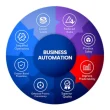
Automation continues transforming the way organizations operate. Businesses use intelligent software to manage repetitive tasks such as invoice processing, customer support, scheduling, inventory management, and data entry. Employees spend less time on routine activities and more time solving complex problems that require creativity and strategic thinking.
Modern automation platforms also integrate multiple business applications into connected workflows. Information moves automatically between systems without manual intervention, reducing errors and improving operational efficiency. Consequently, automation remains one of the most valuable technology investments for organizations seeking long-term growth.
5G Technology Enhances Connectivity
The expansion of 5G networks continues improving internet speed, reliability, and mobile connectivity. Faster wireless communication supports high-quality video streaming, smart cities, autonomous vehicles, and advanced IoT applications. Businesses also benefit from quicker data transfers and improved communication between connected devices.
As 5G coverage expands globally, developers will create new applications that take advantage of its speed and low latency. This next-generation connectivity will continue supporting innovation across healthcare, manufacturing, education, entertainment, and many other industries.
How Businesses Can Prepare for Future Technology
Keeping up with technological change requires continuous learning and strategic planning. Businesses should evaluate their existing systems regularly and identify opportunities where new technologies can improve efficiency or customer satisfaction. Investing in employee training also helps organizations adopt new tools more successfully while reducing resistance to change.
Companies should avoid adopting every new technology simply because it becomes popular. Instead, they should focus on solutions that align with their business goals and deliver measurable value. Careful planning allows organizations to maximize their technology investments while preparing for future innovation.
Conclusion
The latest technology trends continue transforming industries, creating new opportunities, and changing the way people live and work. Artificial intelligence, cloud computing, cybersecurity, automation, IoT, edge computing, and 5G technology all play significant roles in shaping the digital future. Businesses that understand these developments can improve efficiency, strengthen customer relationships, and remain competitive in rapidly changing markets.
Technology will continue evolving in the years ahead, bringing both exciting opportunities and new challenges. Organizations and individuals who embrace continuous learning, invest in modern solutions, and adapt to innovation will be better prepared for long-term success. Staying informed about emerging technology trends is no longer optional—it has become an essential part of thriving in today’s digital world.