







A good credit score plays an important role in your financial life. It can influence your ability to qualify for loans, obtain lower interest rates, rent an apartment, finance a vehicle, or even secure certain job opportunities. Lenders and financial institutions use your credit score to evaluate how responsibly you manage borrowed money. As a result, maintaining a healthy credit score can save you thousands of dollars over time while giving you greater financial flexibility.
Many people believe improving a credit score is difficult, but positive changes are possible with consistent financial habits. Building good credit does not happen overnight, yet small improvements made regularly can lead to significant long-term results. Understanding how credit scores work and making responsible financial decisions are the keys to long-term success. This guide explains how to improve your credit score and outlines practical strategies that anyone can begin using today.
What Is a Credit Score?
A credit score is a numerical representation of your creditworthiness. It reflects how responsibly you have managed credit accounts such as credit cards, personal loans, auto loans, and mortgages. Financial institutions use this score to estimate the likelihood that you will repay borrowed money on time.
Your credit score changes over time as new financial information is added to your credit history. Positive financial habits generally improve your score, while missed payments or excessive debt can lower it. Monitoring your credit regularly helps you understand how your financial decisions affect your overall credit profile.
Why a Good Credit Score Matters
A strong credit score provides access to better financial opportunities. Borrowers with higher scores often qualify for lower interest rates, reducing the total cost of loans over many years. Better credit can also improve approval chances when applying for mortgages, vehicle financing, or business loans.
Good credit extends beyond borrowing money. Landlords, insurance companies, and some employers may also review credit information during their evaluation process. Maintaining a positive credit history therefore supports many aspects of your financial life.
Pay Your Bills on Time
Make Timely Payments
One of the most effective ways to improve your credit score is paying every bill on time. Payment history is one of the most important factors considered when calculating credit scores. Even a single late payment may negatively affect your credit profile.
Create reminders, use automatic payments, or schedule recurring payments through your bank to reduce the risk of missing due dates. Consistent on-time payments demonstrate financial responsibility and strengthen your credit history over time.
Stay Organized
Keeping track of payment dates helps prevent accidental late payments. Maintaining a monthly calendar or budgeting app makes it easier to manage multiple financial obligations while reducing unnecessary stress. Organization supports better financial habits and improves overall money management.
Reduce Outstanding Debt
High levels of debt can negatively impact your credit score, especially when a large percentage of your available credit is already being used. Focus on paying down existing balances gradually while avoiding additional unnecessary borrowing. Reducing outstanding debt demonstrates responsible credit management.
Prioritize paying off high-interest debt whenever possible. Lower debt balances not only improve your credit score but also reduce interest costs, allowing you to save more money over time.
Keep Credit Utilization Low
Use Only a Portion of Available Credit
Credit utilization refers to the percentage of your available credit that you are currently using. Lower utilization generally indicates responsible financial management, while high utilization may suggest financial stress. Keeping balances well below your available credit limit can support a healthier credit profile.
Instead of regularly reaching your credit limit, aim to use only a modest portion of your available credit. Paying balances throughout the month can also help maintain lower utilization.
Avoid Maxing Out Credit Cards
Using your entire credit limit may lower your credit score even if you make payments on time. Maintaining lower balances demonstrates financial discipline and provides greater flexibility for unexpected expenses. Regularly monitoring your credit card balances helps prevent excessive utilization while supporting long-term credit improvement.
Review Your Credit Report
Checking your credit report regularly allows you to verify that the information reported is accurate. Review account balances, payment history, personal information, and credit inquiries carefully. Errors or outdated information may negatively affect your credit score if left uncorrected.
If you discover inaccurate information, contact the appropriate credit reporting agency or lender to request a correction. Maintaining accurate credit records helps ensure your score reflects your actual financial behavior.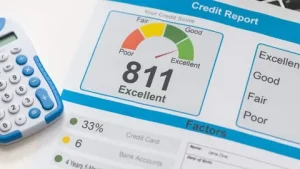
Avoid Applying for Too Much Credit
Every credit application may result in a review of your credit history. Submitting numerous applications within a short period can suggest increased borrowing risk and may temporarily affect your credit score. Apply for new credit only when necessary rather than opening multiple accounts without a clear purpose.
Carefully evaluate whether a new credit account supports your financial goals before submitting an application. Responsible borrowing strengthens your long-term financial profile.
Maintain Older Credit Accounts
The length of your credit history contributes to your overall credit profile. Older accounts provide a longer record of responsible financial behavior, which may positively influence your credit score. Closing long-established accounts without a strong reason could reduce the average age of your credit history.
If possible, keep older accounts open and active by using them occasionally for small purchases while paying the balance in full. Responsible management of long-term accounts supports a stronger credit history.
Build Credit Responsibly
If you have limited credit history, consider using credit carefully to establish a positive payment record. Small purchases followed by full and timely payments demonstrate responsible borrowing habits. Over time, this consistent behavior helps strengthen your credit profile.
Avoid borrowing more than you can comfortably repay. Responsible credit management focuses on maintaining healthy financial habits rather than increasing debt unnecessarily.
Create a Realistic Budget
A monthly budget helps ensure you have enough money available to pay bills on time while avoiding unnecessary borrowing. Track your income, monitor expenses, and allocate funds for savings, debt payments, and everyday living costs. Financial organization reduces the likelihood of missed payments and supports better credit management.
Review your budget regularly and adjust it when your financial situation changes. A realistic budget creates greater financial stability while helping you improve your credit score over time.
Build an Emergency Fund
Unexpected expenses often cause people to miss payments or rely heavily on credit cards. Building an emergency fund provides financial protection during difficult situations and reduces dependence on borrowed money. Even modest emergency savings can help prevent financial setbacks.
Contribute to your emergency fund consistently, even if the amount is small. Over time, this financial cushion strengthens both your overall financial health and your ability to maintain good credit habits.
Monitor Your Progress
Improving your credit score requires patience and consistency. Review your credit profile periodically to monitor your progress and identify areas that may require additional attention. Tracking improvements also provides motivation to continue making responsible financial decisions.
Remember that credit improvement happens gradually. Consistent positive habits often produce stronger long-term results than attempting quick fixes.
Common Mistakes to Avoid
Many people make only the minimum required payments while allowing balances to remain high. Although minimum payments prevent late fees, reducing debt more aggressively often leads to faster credit improvement and lower interest costs.
Another common mistake is ignoring financial problems instead of addressing them. Communicating with lenders early when financial difficulties arise may provide solutions that help protect your credit history.
Stay Committed to Good Financial Habits
Building excellent credit depends on developing habits that remain consistent over many years. Paying bills on time, managing debt responsibly, limiting unnecessary borrowing, and maintaining organized finances all contribute to stronger credit. Small improvements repeated regularly often produce significant long-term benefits.
Financial discipline also creates opportunities beyond a higher credit score. Better money management supports savings, investing, and long-term financial independence while reducing stress associated with debt.
Conclusion
Learning how to improve your credit score begins with paying bills on time, reducing debt, maintaining low credit utilization, reviewing your credit report, and managing credit responsibly. These habits strengthen your financial reputation while increasing access to better borrowing opportunities and lower interest rates.
Improving your credit score takes time, but every responsible financial decision brings you closer to your goal. By remaining patient, following a realistic budget, and maintaining consistent financial habits, you can build strong credit that supports your financial success for many years to come.


