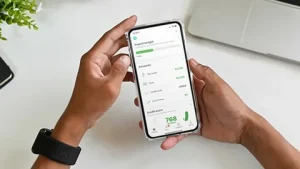
Managing your finances becomes much easier when you have the right tools. Budgeting apps help you track spending, monitor savings, organize bills, and understand your financial habits without relying on paper spreadsheets or manual calculations. Whether you want to save more money, reduce debt, or simply gain better control of your finances, the right app can simplify the entire process.
Choosing the best budgeting apps depends on your financial goals and personal preferences. Some apps focus on expense tracking, while others offer advanced budgeting features, investment monitoring, or financial planning tools. Finding one that matches your needs can help you develop healthier money habits and stay on track with your financial goals.
Why Budgeting Apps Are Worth Using
Budgeting apps provide a clear overview of your income and expenses. Instead of guessing where your money goes each month, you can monitor every transaction in one place. This visibility makes it easier to identify unnecessary spending and adjust your budget accordingly.
Many apps also automate financial tracking by connecting directly to your bank accounts. Automatic updates reduce manual work while helping you maintain an accurate picture of your financial situation.
Top Budgeting Apps to Consider
YNAB (You Need A Budget)
YNAB follows a proactive budgeting approach that encourages users to assign every dollar a specific purpose. Instead of simply tracking expenses, the app helps you plan your spending before the month begins. This method encourages mindful financial decisions and helps reduce unnecessary purchases.
The app also includes educational resources that teach users how to improve budgeting habits. Beginners often find these lessons valuable when learning to manage their finances more effectively.
Mint
Mint remains one of the most popular budgeting apps because it combines expense tracking, budgeting, bill reminders, and financial insights in one platform. Users can connect multiple financial accounts and view all their transactions from a single dashboard.
The app automatically categorizes spending, making it easier to identify where your money goes each month. Personalized alerts also help you stay aware of upcoming bills and unusual account activity.
PocketGuard
PocketGuard simplifies budgeting by showing how much money you have available after covering bills, savings, and essential expenses. This straightforward approach helps users avoid overspending while maintaining better financial control.
The app also analyzes recurring subscriptions and monthly expenses, helping users identify opportunities to reduce unnecessary spending.
Goodbudget
Goodbudget uses the traditional envelope budgeting system in a digital format. Instead of carrying cash in separate envelopes, users allocate money into virtual spending categories such as groceries, transportation, entertainment, and savings.
This budgeting method encourages discipline because you spend only what you have assigned to each category. It works particularly well for families and individuals who prefer structured financial planning.
EveryDollar
EveryDollar follows a zero-based budgeting approach, where every dollar of income receives a specific purpose before the month begins. Users create customized budgets, track expenses, and monitor financial progress through an easy-to-use interface.
Its simple design makes it suitable for beginners who want a straightforward budgeting experience without unnecessary complexity.
Features to Look for in a Budgeting App
Before choosing a budgeting app, consider the features that best support your financial goals. Expense tracking, automatic transaction updates, bill reminders, savings goals, and spending reports are among the most valuable tools available.
Security should also remain a priority. Choose apps that use strong encryption and secure login methods to protect your personal financial information.
How Budgeting Apps Help You Save Money
Budgeting apps make it easier to recognize spending patterns that often go unnoticed. Reviewing monthly reports helps you identify unnecessary purchases and redirect that money toward savings or debt repayment.
Many apps also allow you to set savings goals for emergencies, vacations, or major purchases. Tracking your progress keeps you motivated and encourages consistent saving habits throughout the year.
Tips for Using Budgeting Apps Effectively
Using a budgeting app consistently produces the best results. Check your transactions regularly, update your spending categories when necessary, and review your financial reports at the end of each month. Small adjustments made consistently often lead to significant financial improvements over time.
Setting realistic budgets also increases your chances of success. Instead of creating overly restrictive spending limits, build a budget that reflects your actual lifestyle while encouraging smarter financial decisions.
Common Budgeting Mistakes to Avoid
Many users download budgeting apps but stop using them after a few weeks. Consistency is essential because accurate budgeting depends on regular monitoring and updates. Make reviewing your finances part of your weekly routine.
Another common mistake involves ignoring small purcha-ses. Daily coffee, snacks, subscriptions, and impulse shopping may seem insignificant individually, but together they can consume a large portion of your monthly budget. Tracking every expense provides a more accurate picture of your spending habits.
Conclusion
The best budgeting apps make managing your finances simpler, more organized, and less stressful. Whether you choose YNAB, Mint, PocketGuard, Goodbudget, or EveryDollar, each app offers valuable tools to help you monitor expenses, control spending, and reach your financial goals. By using a budgeting app consistently and reviewing your financial progress regularly, you can develop stronger money habits and build a more secure financial future.