






Life is full of unexpected situations. A sudden medical expense, car repair, job loss, or home maintenance issue can quickly disrupt your finances if you are not prepared. An emergency fund acts as a financial safety net that helps you handle these challenges without relying on loans or credit cards. Building one may seem difficult at first, but small and consistent efforts can lead to significant results over time.
Learning how to build an emergency fund is one of the smartest financial decisions you can make. It provides greater financial stability, reduces stress during emergencies, and helps you stay focused on your long-term financial goals.
Why an Emergency Fund Is Important
An emergency fund protects you from unexpected financial setbacks. Instead of borrowing money or using high-interest credit cards, you can rely on your savings to cover urgent expenses. This approach helps you avoid unnecessary debt while maintaining better control of your finances.
Having emergency savings also provides peace of mind. Knowing you have money available for unexpected situations allows you to make financial decisions with greater confidence and less anxiety.
Decide How Much You Need to Save
Set a Realistic Savings Goal
The amount you need depends on your financial situation and monthly expenses. Many financial experts recommend saving enough to cover three to six months of essential living expenses. These expenses usually include housing, groceries, utilities, transportation, insurance, and healthcare.
If saving several months of expenses feels overwhelming, start with a smaller goal. Saving your first few hundred dollars creates momentum and builds confidence. You can gradually increase your emergency fund over time.
Create a Monthly Savings Plan
Saving becomes much easier when you include it in your monthly budget. Decide how much you can comfortably save each month without affecting your essential expenses. Even small contributions made consistently can grow into a substantial emergency fund.
Treat your savings like a regular monthly bill. Set aside the money as soon as you receive your income instead of waiting until the end of the month to save whatever remains.
Open a Separate Savings Account
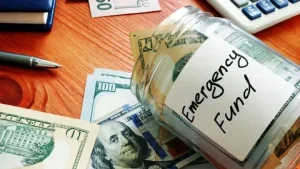
Keeping your emergency fund separate from your everyday spending account reduces the temptation to use it for non-essential purchases. A dedicated savings account also makes it easier to track your progress and protects the money from accidental spending.
Choose an account that offers easy access during emergencies while earning competitive interest whenever possible. This allows your savings to grow while remaining available when needed.
Reduce Unnecessary Expenses
Cutting back on unnecessary spending creates more room in your budget for savings. Review your monthly expenses and identify areas where you can spend less. Cancel unused subscriptions, prepare more meals at home, and avoid impulse purchases whenever possible.
Small changes in your daily habits often produce noticeable savings over time. Redirect the money you save into your emergency fund to help it grow faster.
Increase Your Income
Growing your income can speed up the process of building an emergency fund. Consider taking on freelance work, starting a side business, selling unused household items, or working additional hours if possible. Even temporary income increases can make a meaningful contribution to your savings.
Whenever you receive bonuses, tax refunds, or financial gifts, consider depositing a portion directly into your emergency fund instead of spending it immediately.
Use Automatic Savings
Automation removes the need to remember monthly transfers. Set up automatic deposits from your checking account to your savings account on payday. This approach helps you save consistently while reducing the temptation to spend the money elsewhere.
As your income increases, gradually raise your automatic savings amount. Small increases often go unnoticed in your daily budget but make a significant difference over time.
Use Your Emergency Fund Wisely
An emergency fund should only cover genuine emergencies. Unexpected medical expenses, urgent home repairs, vehicle breakdowns, or temporary income loss are appropriate reasons to use these savings. Routine shopping, vacations, or entertainment expenses should come from your regular budget instead.
If you need to use part of your emergency fund, begin rebuilding it as soon as your financial situation stabilizes. Restoring your savings keeps you prepared for future emergencies.
Review Your Savings Progress Regularly
Checking your emergency fund every month helps you stay motivated and monitor your progress. As your income, expenses, or financial responsibilities change, update your savings goal to reflect your current needs.
Celebrating small milestones also keeps you motivated throughout the process. Every contribution moves you closer to greater financial security.
Common Mistakes to Avoid
Many people delay saving because they believe they need to contribute large amounts. In reality, consistent small deposits often produce better long-term results than waiting until you have extra money. Starting today is far more valuable than waiting for the perfect time.
Another common mistake involves using emergency savings for planned expenses or impulse purchases. Keeping clear boundaries between emergency funds and regular savings helps preserve your financial safety net when you truly need it.
Conclusion
Learning how to build an emergency fund is an essential step toward achieving long-term financial stability. By setting realistic savings goals, creating a monthly savings plan, reducing unnecessary expenses, increasing your income, and saving consistently, you can build a financial cushion that protects you during unexpected situations. An emergency fund not only strengthens your finances but also gives you the confidence and peace of mind to face life’s uncertainties with greater security.