





Preparing healthy meals in advance is one of the easiest ways to maintain a balanced diet while saving time during a busy week. Instead of deciding what to eat every day, meal prepping allows you to plan nutritious meals ahead of time. This habit reduces stress, limits unhealthy food choices, and helps you stay consistent with your health goals.
Exploring healthy meal prep ideas can make healthy eating more convenient and enjoyable. Whether your goal is to lose weight, improve your energy levels, or simply eat more balanced meals, preparing food in advance helps you stay organized and avoid last-minute decisions that often lead to unhealthy eating.
Why Meal Prepping Is Important
Meal prepping gives you greater control over your diet. Planning your meals allows you to choose fresh ingredients, control portion sizes, and avoid excessive sugar, salt, and unhealthy fats commonly found in processed foods.
It also helps reduce food waste because you purchase ingredients with a clear plan in mind. Preparing meals in advance saves both time and money while making healthy eating easier throughout the week.
Plan Your Weekly Meals
Create a Simple Meal Plan
Start by deciding what you will eat for breakfast, lunch, dinner, and snacks during the week. Keep your plan realistic by choosing recipes that use similar ingredients. This approach simplifies grocery shopping and reduces preparation time.
Include a balance of lean protein, whole grains, vegetables, fruits, and healthy fats in your weekly menu. A well-rounded meal plan provides the nutrients your body needs while keeping meals satisfying.
Prepare a Grocery List
Once your meals are planned, create a shopping list with all the ingredients you need. Sticking to your list helps you avoid unnecessary purchases and ensures you have everything required for meal preparation. Shopping with a plan also reduces impulse buying and helps you stay within your food budget.
Choose Nutritious Ingredients
Healthy meal prep begins with quality ingredients. Lean proteins such as chicken, turkey, fish, eggs, beans, tofu, and Greek yogurt provide lasting energy and support muscle health. Whole grains like brown rice, quinoa, oats, and whole wheat pasta add fiber that keeps you feeling full longer.
Fill your meals with colorful vegetables including broccoli, spinach, carrots, bell peppers, cucumbers, and leafy greens. Fresh fruits make excellent snacks or healthy additions to breakfast. Healthy fats from avocados, nuts, seeds, and olive oil complete a balanced meal.
Prepare Ingredients in Advance
Instead of cooking every meal from start to finish each day, prepare ingredients ahead of time. Wash and chop vegetables, cook grains, grill proteins, and portion snacks into individual containers. Having these ingredients ready makes assembling meals quick and convenient. You can also prepare homemade sauces or dressings in advance to add flavor without relying on processed options.
Easy Healthy Breakfast Ideas
Breakfast should provide steady energy to start your day. Overnight oats made with rolled oats, milk or yogurt, chia seeds, and fresh fruit offer a simple and nutritious option. Egg muffins filled with vegetables can also be prepared ahead and stored in the refrigerator for several days.
Greek yogurt topped with berries, nuts, and granola provides another quick breakfast that requires little preparation. Smoothie packs with frozen fruit and spinach make busy mornings even easier.
Simple Lunch Meal Prep Ideas
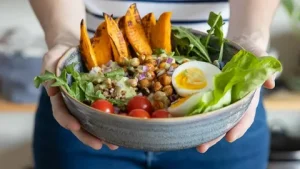
Lunch should keep you satisfied throughout the afternoon. Grilled chicken served with brown rice and roasted vegetables creates a balanced meal that stores well. Quinoa salads with chickpeas, cucumbers, tomatoes, and a light vinaigrette also make refreshing lunch options.
Whole grain wraps filled with lean turkey, fresh vegetables, and hummus offer another healthy choice. Preparing several portions at once saves valuable time during the workweek.
Healthy Dinner Options
Dinner does not have to be complicated. Baked salmon paired with sweet potatoes and steamed vegetables creates a nutritious meal rich in protein and healthy fats. Stir-fried vegetables with tofu or lean chicken served over brown rice provide another quick and satisfying dinner. Vegetable soups, turkey chili, and whole grain pasta with lean protein can also be prepared in larger batches and enjoyed throughout the week.
Prepare Healthy Snacks
Healthy snacks help maintain energy levels between meals while preventing overeating. Fresh fruit, mixed nuts, sliced vegetables with hummus, boiled eggs, cottage cheese, and homemade trail mix are excellent options for meal prep.
Portioning snacks into small containers makes them easy to grab whenever you need a quick and nutritious bite.
Store Meals Properly
Proper storage keeps your meals fresh and safe to eat. Use airtight containers to preserve flavor and prevent spills. Label containers with preparation dates so you know which meals to eat first.
Store refrigerated meals according to food safety guidelines, and freeze extra portions if you prepare more than you can eat within a few days. This approach reduces waste and gives you healthy meals ready for future weeks.
Stay Flexible with Your Meal Plan
Meal prepping should simplify your life rather than create unnecessary pressure. Allow room for occasional changes if your schedule shifts or you want to enjoy a meal out with family or friends. Flexibility helps you maintain healthy habits without feeling restricted. Trying new recipes and seasonal ingredients also keeps meal prep interesting while preventing boredom.
Common Meal Prep Mistakes to Avoid
Many beginners prepare too much food at once, which can lead to wasted ingredients if meals are not eaten in time. Start with a few days of meals until you understand how much food your household actually needs.
Another common mistake is choosing recipes that are too complicated. Simple meals with fresh ingredients often save more time and are easier to prepare consistently. Focusing on balanced nutrition rather than perfection helps you build a sustainable meal prep routine.
Conclusion
Exploring healthy meal prep ideas is an effective way to simplify your weekly routine while supporting better nutrition. By planning your meals, choosing wholesome ingredients, preparing food in advance, and storing meals properly, you can save time, reduce stress, and make healthier food choices every day. Consistency is the key to success. Small meal prep habits practiced each week can lead to lasting improvements in your health, energy levels, and overall lifestyle.