






Using an oxygen concentrator at home can make prescribed oxygen therapy more convenient. But the machine needs to be used correctly. Small mistakes with oxygen equipment can affect treatment or create avoidable safety risks.
You may already be comparing oxygen concentrator prices or different machine models. Before you focus on cost, learn how the device should be positioned, connected, operated, cleaned, and maintained.
The good news is that safe use is straightforward when you follow the prescription and the manufacturer’s instructions. In this guide, you will learn the practical steps for using a concentrator safely and what you should never do around medical oxygen.
What Is an Oxygen Concentrator and How Does It Work?
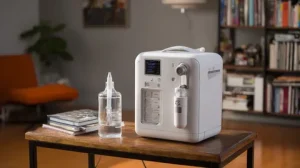
An oxygen concentrator is a medical device that provides supplemental oxygen by using the air already present in the room. Unlike an oxygen cylinder, it does not store a limited supply of compressed oxygen. It continuously takes in room air, processes it, and delivers oxygen-enriched air through a nasal cannula or another prescribed oxygen interface.
The machine uses a component called a molecular sieve to separate nitrogen from the air. The concentrated oxygen then passes through the device and reaches the patient at the prescribed flow rate. The exact oxygen concentration and flow capacity depend on the model and operating conditions.
Because a concentrator works with room air, it needs a continuous electrical supply while operating. This makes reliable power important for home use. If the patient depends on oxygen continuously, you should also discuss a suitable backup plan with a healthcare professional.
Before using the device, read the manufacturer’s instructions and confirm the prescribed oxygen flow. Do not change the flow setting on your own. The concentrator should be used as part of the oxygen therapy plan provided by your doctor or other qualified healthcare professional.
Follow the Prescribed Oxygen Flow
The most important rule is to use the oxygen flow prescribed by your doctor or other qualified healthcare professional. The flow rate is usually measured in liters per minute (LPM). Your prescription may specify a particular flow for rest, activity, sleep, or another situation. These instructions can differ from one patient to another.
Do not change the flow simply because your symptoms feel worse or because the machine allows a higher setting. More oxygen is not automatically better. Oxygen therapy should be individualized according to the patient’s clinical needs.
The same principle applies when you are comparing oxygen machine prices of different models. A more powerful machine is not necessarily more suitable. What matters is whether the device can reliably provide the prescribed oxygen flow and delivery method. If your doctor changes your oxygen prescription, adjust the machine only according to the new instructions. If you are unsure about the flow setting, stop and ask your healthcare provider or qualified oxygen equipment supplier. Do not guess.
Place the Concentrator in the Right Location
Where you place the concentrator can affect both safety and performance. Keep the machine in a clean, dry, and well-ventilated location. Do not push it directly against a wall, curtain, bed, or furniture. The air inlet needs adequate space so the machine can draw in room air. WHO guidance recommends positioning an oxygen concentrator at least 30 cm away from walls or curtains so that the air inlet at the back is not obstructed.
Avoid placing the machine in a cramped cabinet or enclosed storage area. Do not cover it with clothing, blankets, or other materials while it is operating. Keep the concentrator away from water and areas where it could be splashed. It should also be placed where the power cord and oxygen tubing will not create a tripping hazard. Choose a location that allows you to reach the controls easily. If the patient is older or needs assistance, caregivers should be able to access the machine quickly. Proper placement is a simple step, but it helps the concentrator receive adequate airflow and makes everyday use safer.
Check the Machine Before Turning It On
Take a few moments to inspect the concentrator before every use, especially if it has been moved or stored. Look at the power cord and plug. Check for visible damage. Examine the oxygen tubing and nasal cannula for cracks, blockages, loose connections, or signs of wear. Check the air intake area and make sure it is not blocked by dust, fabric, furniture, or other objects.
If the machine has an external filter that you are instructed to inspect, check it according to the manufacturer’s maintenance instructions. Make sure the flow control is set to the prescribed level before or after startup, depending on the manufacturer’s instructions. Different models can have different operating procedures, so follow the user manual supplied with your machine.
Do not use a concentrator that has a damaged electrical cord, unusual burning smell, visible damage, or another obvious safety problem. Disconnect it if appropriate and contact the supplier or a qualified technician. These quick checks can help you identify a problem before the device is connected to the patient.
Connect the Tubing and Nasal Cannula Correctly
After positioning the concentrator, connect the oxygen tubing to the machine’s oxygen outlet according to the manufacturer’s instructions. Attach the other end to the nasal cannula or prescribed oxygen interface. Make sure the connections are secure, but do not force them. The tubing should be long enough for the patient to move comfortably without creating unnecessary loops across walking areas.
Place the nasal cannula correctly in the patient’s nose. The two small prongs should sit comfortably inside the nostrils, with the tubing positioned according to the cannula design. If the patient uses a mask or another prescribed interface, follow the instructions provided by the healthcare professional. WHO’s oxygen therapy guidance describes the basic process as connecting oxygen tubing to the oxygen outlet, connecting the equipment appropriately, turning on the concentrator, and adjusting the flow to the required level. Do not modify the tubing or use makeshift connectors. Use compatible accessories recommended by the manufacturer or healthcare provider.
Turn On the Machine and Allow It to Operate Properly
Once everything is connected, turn on the concentrator according to the manufacturer’s instructions. Many machines have indicator lights or alarms that show their operating status. Pay attention to these indicators rather than assuming that the machine is working correctly simply because you hear the compressor running. WHO guidance notes that an oxygen concentrator may take around 10 minutes to reach a sufficiently high oxygen concentration after startup.
The exact startup behavior varies by model. Follow the manufacturer’s instructions for your specific machine. If an alarm appears, read the user manual to identify its meaning. Do not ignore persistent alarms. If the machine suddenly becomes unusually hot, produces an abnormal smell, makes unusual sounds, or behaves differently from normal, stop using it and contact a qualified technician or supplier. Never attempt to repair electrical or internal components yourself unless you are specifically trained and authorized to do so.
Keep Smoking and Open Flames Away
This is one of the most important oxygen safety rules. Never smoke while using oxygen. Do not allow anyone else to smoke near the patient, oxygen concentrator, tubing, or other oxygen equipment.
Keep cigarettes, matches, candles, gas flames, incense, lighters, and other ignition sources away from oxygen equipment. Oxygen is not itself a fuel, but it supports combustion and can make fires start and spread more rapidly. WHO specifically identifies medical oxygen as an oxidizing agent that can create fire or explosion risks when not handled properly. Recent FDA adverse-event reports also document serious burns and fire incidents involving oxygen concentrators where smoking was involved. These reports reinforce why smoking restrictions must be taken seriously.
Do not smoke in the same room simply because the concentrator is positioned far away. Oxygen can accumulate around oxygen-delivery equipment and materials. Keep the area around the machine free from unnecessary combustible materials. Follow the specific safety distance stated in your device’s instructions. This rule applies to everyone in the home, not only the patient.
Avoid Using Flammable Products Near Oxygen
Be careful with products that can ignite easily. Oxygen-enriched environments can increase fire risk. Keep the concentrator and oxygen-delivery equipment away from flames, sparks, and sources of excessive heat. Do not place the machine next to a gas stove, heater, fireplace, or other heat-producing equipment. Follow your manufacturer’s instructions regarding personal-care products. Some oxygen equipment instructions advise avoiding oil-based or petroleum-based products around the face and oxygen equipment because of fire concerns.
Ask your healthcare provider or equipment supplier which skin-care products are appropriate if the patient needs moisturizer around the nose or face. Do not use damaged electrical equipment near the concentrator. Avoid overloaded outlets and unsafe extension arrangements. Keep the oxygen tubing away from hot surfaces. Do not allow it to become trapped under heating appliances or other equipment. The basic principle is simple: keep oxygen equipment away from heat, sparks, flames, and materials that could easily burn.
Keep the Tubing Safe and Unblocked
Oxygen tubing should be treated as part of the medical equipment, not simply as an ordinary plastic tube. Keep it straight enough for oxygen to flow properly. Avoid sharp bends, kinks, crushing, or placing heavy objects on top of the tubing.
Also consider fall prevention. Long tubing can stretch across floors and create a tripping hazard. Arrange the tubing so the patient can move around safely. Do not use tubing that has become cracked, brittle, blocked, or visibly damaged. Replace it according to the manufacturer’s instructions or when recommended by your healthcare provider.
Check the connection points regularly. A loose connection can interfere with oxygen delivery. If you notice that the patient is not receiving oxygen as expected, check for obvious tubing problems. However, do not assume that every problem is caused by the tubing. Persistent issues should be evaluated by a healthcare professional or qualified equipment technician.
Keeping the delivery system clean, intact, and properly connected is an important part of safe oxygen therapy.
Do Not Change the Oxygen Flow Without Medical Advice
It can be tempting to adjust the oxygen flow when the patient feels short of breath. This is not something you should do casually. Oxygen therapy is a medical treatment. The correct flow depends on the patient’s condition, oxygen saturation targets, activity, sleep, and other clinical factors. A pulse oximeter can provide useful information in some situations, but a reading should not be interpreted in isolation. Your healthcare provider should explain what readings are expected and when you should seek medical help.
Do not increase oxygen simply because the oxygen saturation number is lower than expected unless you have been given specific instructions for doing so. Likewise, do not reduce oxygen because the patient feels better.
If the patient’s condition changes or they repeatedly need a different flow, contact the healthcare professional managing their oxygen therapy.
The machine should deliver the treatment that has been prescribed. It should not be used as a tool for self-adjusting medical treatment.
What to Know About the Cost of Safe Oxygen Therapy
When purchasing an oxygen concentrator, do not focus only on the oxygen concentrator machine price.
A safe setup may also require compatible tubing, nasal cannulas, filters, maintenance, servicing, and an appropriate backup plan. These costs should be considered when planning long-term oxygen therapy. A cheaper machine may not be the better option if replacement parts are unavailable or technical support is poor. Ask the supplier what is included with the machine. Confirm the warranty and maintenance requirements. Find out where the equipment can be serviced.
If you are considering a particular oxygen machine for home, compare its specifications and support rather than choosing solely by price. Your medical requirement should come first. Once that is clear, you can choose equipment that provides an appropriate balance of safety, reliability, convenience, and cost.
Conclusion
Using an oxygen concentrator safely at home starts with following the prescribed oxygen flow and the manufacturer’s instructions. Keep the machine ventilated, inspect the tubing, maintain it regularly, and keep all flames and smoking away from oxygen.
A safe home setup also includes a power-failure plan and reliable technical support. Treat oxygen therapy as medical treatment, and contact your healthcare professional whenever the patient’s oxygen needs or symptoms change.