





Paintings can completely change the atmosphere of a room. A carefully chosen artwork can add color, personality, texture, and emotion without requiring a major renovation. Whether you want to refresh a living room, create a peaceful bedroom, or give an office a more distinctive character, wall art can make a noticeable difference.
However, choosing artwork involves more than selecting something that looks attractive. You need to consider the room, wall size, furniture, colors, lighting, and your personal taste. The right piece should complement the space while still expressing something about you.
Today, homeowners have countless styles to explore. From abstract compositions and landscapes to portraits and contemporary designs, each option can create a different visual effect. Therefore, understanding a few basic principles can make the selection process much easier.
Why Artwork Matters in Interior Design
A room can have beautiful furniture and carefully selected colors yet still feel incomplete. Artwork can help bring those elements together. For example, a neutral room may benefit from a colorful piece that creates a strong focal point. On the other hand, a room with bold furniture may look better with simpler artwork that does not compete for attention.
Art can also influence the mood of a space. Soft landscapes may create a calm atmosphere, while vibrant abstract designs can make a room feel energetic and contemporary.
Most importantly, artwork gives you an opportunity to personalize your surroundings. Your choice can reflect your interests, memories, favorite colors, or artistic preferences.
Consider the Size of Your Wall
One of the first things to consider is the available wall space. A small artwork can disappear on a large empty wall. Similarly, an oversized piece can overwhelm a narrow area. Measure the wall before you start shopping. Also, consider the furniture placed beneath it.
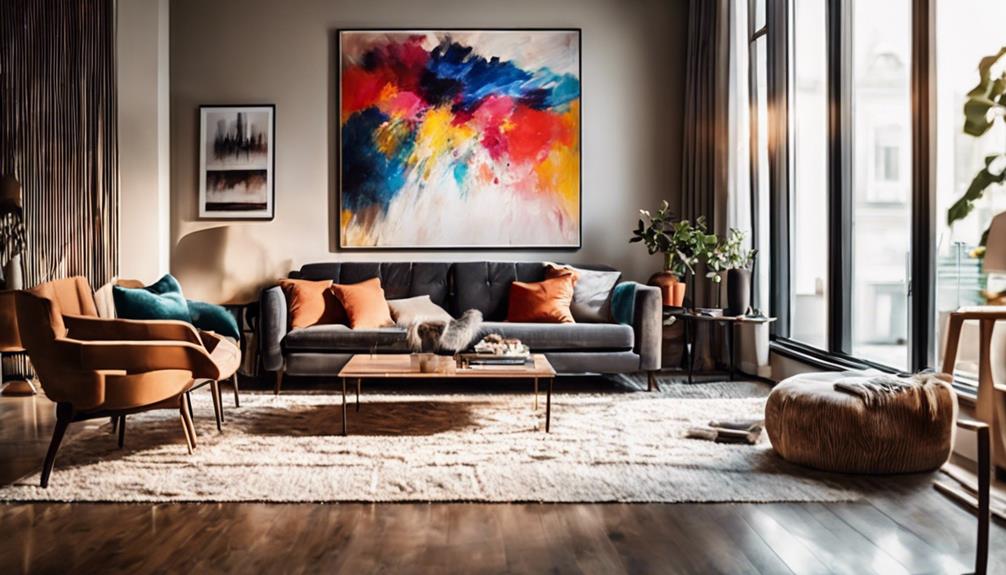
For example, artwork above a sofa should generally relate to the width of the furniture. A very small frame may look disconnected, while an extremely large piece could dominate the entire seating area. You can also create a gallery wall when one artwork does not provide enough visual impact. Several smaller pieces can work together to create a balanced arrangement.
Choose a Style That Matches Your Space
Your interior style can help narrow down your options. Modern homes often work well with abstract, geometric, or minimalist artwork. Traditional interiors may suit landscapes, portraits, or classic compositions. However, you do not need to follow strict design rules.
Sometimes contrast creates the most interesting result. A contemporary painting can add character to a traditional room. Likewise, classic artwork can provide warmth inside a modern space. The key is balance. The artwork should feel intentional rather than randomly placed.
Think About Color
In Paintings color plays a major role in how artwork interacts with a room. You can choose a piece that matches existing colors. For instance, artwork containing shades similar to your cushions, curtains, or rug can create a coordinated appearance.
Alternatively, you can use artwork to introduce a contrasting color. This approach works particularly well in neutral interiors. Suppose your room uses white, beige, and gray. A painting featuring deep blue or warm terracotta can become an eye-catching focal point. You do not need every color to match perfectly. Instead, look for colors that work comfortably together.
Select Artwork Based on Mood
Think about how you want the room to feel before choosing a piece. For a bedroom, calming landscapes, subtle abstracts, or soft botanical artwork can create a relaxing environment. Living rooms offer more flexibility because they often serve as social spaces.
A home office may benefit from artwork that feels inspiring without becoming distracting. Meanwhile, dining areas can accommodate expressive or colorful pieces.
Your personal response matters too. If an artwork makes you feel positive whenever you see it, that emotional connection can make it a valuable addition to your home.
Consider the Room’s Lighting
Lighting can dramatically affect how artwork looks. Natural daylight may bring out certain colors during the morning, while warm artificial lighting can change their appearance in the evening. Before choosing a piece, consider how much natural light reaches the wall.
You should also avoid placing valuable artwork where direct sunlight can cause long-term fading. Strong sunlight may affect some pigments and materials over time.
Good lighting can enhance artwork as well. Adjustable wall lights or directional fixtures can highlight a piece and make it a stronger focal point.
Choose the Right Frame
The frame can influence the overall appearance almost as much as the artwork itself. A simple black or white frame can suit modern interiors. Wooden frames can add warmth and work well with natural or traditional décor.
You can also choose a frame that picks up a subtle color from the artwork. This creates a visual connection without making the frame too noticeable. For a gallery wall, using identical frames creates a clean appearance. Mixing different frames can create a more relaxed and eclectic look.
Think About Placement
Where you hang artwork matters. A common mistake involves placing artwork too high on the wall. Artwork should generally relate to the viewer and nearby furniture rather than simply occupying the highest available space.
Above furniture, leave enough visual breathing room between the furniture and the artwork. In larger rooms, you can use multiple pieces to create a broader visual arrangement.
Before drilling holes, consider creating paper templates that match the size of your frames. Place them on the wall with removable tape. This simple step can help you test different arrangements before making permanent changes.
Create a Gallery Wall
A gallery wall Paintings can transform an empty wall into a personal display. You can combine different artwork sizes, photographs, illustrations, and decorative pieces. However, the arrangement should still have some visual connection. You might use a consistent color palette, similar frames, or a common theme to connect the pieces.
Start with the largest piece and build the arrangement around it. Keep consistent spacing between frames to make the display feel intentional. Do not worry about making everything perfectly symmetrical. A balanced arrangement can still have an informal appearance.
Mix Personal and Decorative Artwork
Your home does not need to look like a showroom. Personal photographs, travel memories, inherited artwork, or handmade pieces can add emotional value. You can combine these with decorative artwork to create a display that feels authentic. For example, a landscape from a memorable trip can sit beside an abstract piece that complements your interior colors. This combination makes the room feel more personal. It also gives visitors something meaningful to notice and discuss.
Avoid Common Decorating Mistakes
Several simple mistakes can reduce the impact of artwork. First, avoid choosing a piece simply because it matches the sofa. Artwork should reflect your personality as well as your décor. Second, do not overcrowd every wall. Empty space can help important pieces stand out. Third, avoid ignoring proportions. Large furniture usually needs artwork with enough visual weight to balance it. Finally, do not rush the process. You may find several pieces you like, but they may not all belong in the same room. Take time to imagine how each piece will look with your existing furniture and lighting.
How to Make Artwork Feel More Personal
The best interiors usually tell a story. Instead of selecting artwork only because it follows a trend, think about what you want your space to communicate. You might choose nature-inspired artwork because you enjoy the outdoors. Perhaps you prefer abstract designs because they encourage imagination. You may also have a favorite artist or style that has personal meaning. Your home should reflect your personality. Trends can provide inspiration, but they should not dictate every decision.
Final Thoughts
Choosing the right Paintings requires a combination of personal taste and practical planning. Consider the size of your wall, the room’s colors, furniture, lighting, and overall style before making a decision. At the same time, do not become too focused on design rules. Artwork should make you feel something. It should add personality and help your home feel like your own.
Whether you prefer bold contemporary designs, peaceful landscapes, classic portraits, or colorful abstracts, the right artwork can become an important part of your interior. Start with pieces that genuinely appeal to you, then consider how they interact with the rest of the room. Ultimately, should do more than fill an empty wall. They should create atmosphere, express personality, and make your space more enjoyable every day.