






Facial appearance often comes down to balance. One feature does not need to look dramatically different to change the way the entire face appears. The nose sits at the center of the face, so its width, shape, and proportions can influence the appearance of nearby features.
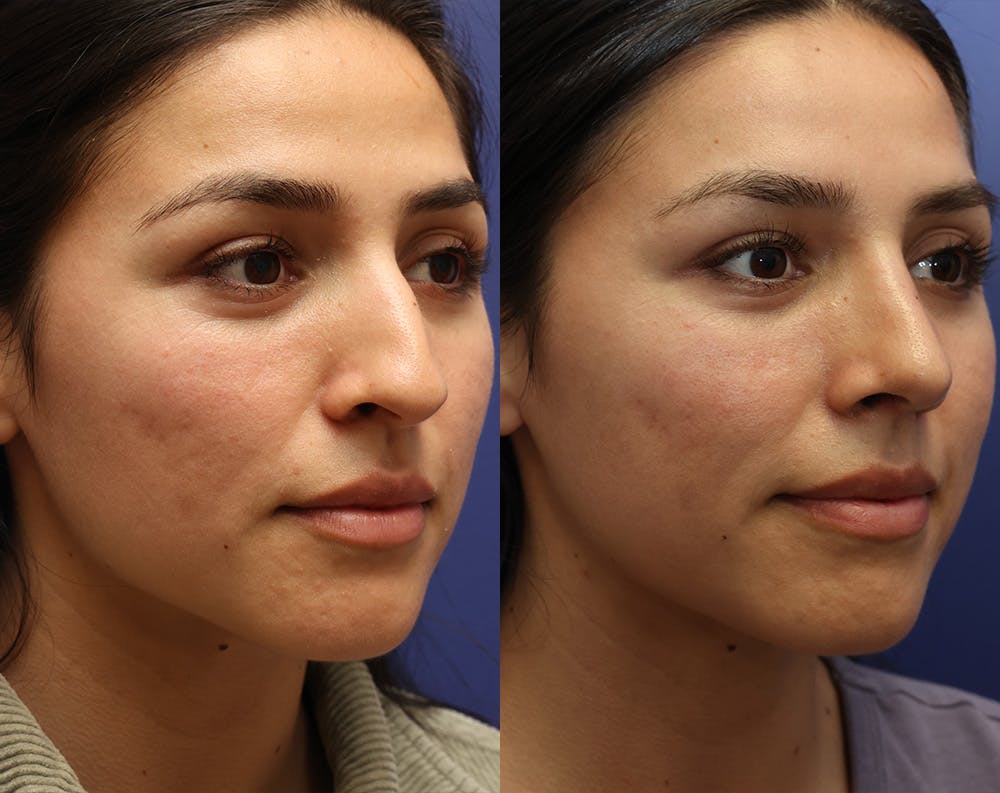
Wide or noticeably flared nostrils can sometimes make the lower part of the nose appear broader than a person would prefer. In such cases, alarplasty offers a focused surgical option. The procedure targets the alar base, which forms the outer edges of the nostrils. Rather than changing the entire nose, it can refine specific areas while helping preserve the nose’s natural character.
The goal should always focus on proportion instead of simply making the nostrils smaller. Thoughtful planning can help create Facial Harmony by considering the nose alongside the cheeks, lips, chin, and other surrounding features.
What Is Alarplasty?
Alarplasty is a type of nasal surgery that focuses on the alar base. The alae form the soft outer walls of the nostrils. Their shape and position can strongly affect how wide the nose appears from the front.
During the procedure, a qualified surgeon may remove or adjust a carefully selected amount of tissue. The specific technique depends on the patient’s anatomy and the concern they want to address.
For example, one person may have prominent nostril flare. Another may feel that the nasal base looks too wide. Someone else may want to improve noticeable asymmetry. These concerns can require different surgical approaches.
The aim should not involve creating the narrowest possible nostrils. Instead, the surgeon should seek proportions that complement the nasal tip and the rest of the face.
How Nostril Shape Affects Facial Balance
The nasal base plays an important role in the overall appearance of the face. A broad or highly flared base can attract more attention toward the center of the face. More balanced nostrils can help the nose blend naturally with surrounding features.
However, every face has different proportions. A nostril width that looks appropriate on one person may not suit another. Therefore, surgeons should avoid applying one fixed aesthetic standard to every patient.
Instead, they should evaluate the individual’s facial structure from different angles. They should also consider the relationship between the nasal base, tip, upper lip, cheeks, and chin. This approach can support better Facial Harmony while maintaining the person’s unique appearance.
Who May Consider Alarplasty?
People may consider alarplasty when they feel that their nostrils look too wide, flare outward, or appear uneven. The procedure may work well when the main concern involves the lower portion of the nose.
However, alarplasty does not address every nasal concern. Someone who wants major changes to the bridge or nasal tip may need a more comprehensive rhinoplasty. A professional evaluation can help determine which approach better matches the patient’s goals.
Realistic expectations also matter. Natural facial asymmetry is common. As a result, surgery may improve differences without creating perfectly identical nostrils.
Alarplasty vs. Rhinoplasty
Alarplasty and rhinoplasty can both change the appearance of the nose, but they have different focuses.
Rhinoplasty can address several nasal structures, including the bridge, tip, cartilage, and nasal bones. Surgeons may recommend it when a patient wants broader changes to the nose.
Alarplasty takes a more targeted approach. It primarily focuses on the alar base and nostrils. This makes it potentially suitable for people who like most aspects of their nose but want to refine its width or flare.
In some situations, surgeons may combine alarplasty with rhinoplasty. The right option depends on the patient’s anatomy, concerns, and desired outcome.
How Alarplasty Can Refine Wide Nostrils
Surgeons can use different techniques to reduce the appearance of wide or flared nostrils. The appropriate method depends on what creates the visible width.
For instance, prominent outward flare may require a different approach from width caused by the nasal sill. A surgeon must first identify the underlying anatomical concern. Then, they can select an appropriate technique.
Conservative tissue adjustment often plays an important role. Removing too much tissue can make the nostrils appear overly narrow or pinched. It can also create a noticeable mismatch between the nasal tip and the nasal base.
Therefore, the objective should involve controlled refinement. The finished nose should still look natural when viewed as part of the entire face.
Why Incision Placement Matters
Incision placement can influence the appearance of scars after alarplasty. Surgeons generally plan incisions carefully and may position them within or near natural contours when the chosen technique allows it.
However, healing varies from person to person. Skin characteristics, surgical technique, aftercare, and individual healing responses can all affect the final appearance of a scar.
Patients should discuss scarring during their consultation. They should also follow postoperative instructions carefully and attend recommended follow-up appointments. These steps allow the surgeon to monitor healing and respond to concerns when necessary.
The Importance of Natural Proportions
Good nasal refinement requires balance. If a surgeon narrows the alar base too aggressively, the nostrils may look disproportionate to the nasal tip. On the other hand, a very small adjustment may not produce the improvement the patient wants.The surrounding face also matters. Cheek structure, lip shape, chin projection, and other features can influence how the nose appears.
This broader perspective supports Facial Harmony. Instead of treating the nostrils as an isolated feature, the surgeon can consider how the nasal base interacts with the complete facial structure. A subtle change can sometimes make a noticeable difference. The goal remains refinement, not an artificial transformation.
What Happens During an Alarplasty Consultation?
A consultation gives patients an opportunity to explain their concerns and discuss realistic expectations. The surgeon can examine the nasal base, nostrils, skin, symmetry, and surrounding facial proportions.
Patients should explain exactly what they want to change. For example, they might mention excessive flare, overall width, or asymmetry. Clear communication can help the surgeon understand the patient’s priorities.
The consultation should also cover the proposed technique, incision placement, recovery process, possible risks, and expected results. Patients should ask questions whenever something remains unclear. A careful consultation helps both sides develop a realistic treatment plan.
Choosing the Right Surgeon
Choosing a qualified surgeon remains one of the most important steps. Start by reviewing professional credentials and experience with nasal or facial procedures. Relevant experience can help the surgeon understand the subtle changes that alar refinement requires.
During the consultation, ask why the surgeon recommends a particular technique. The explanation should relate directly to your anatomy and goals.
Also, discuss follow-up care before scheduling surgery. Ask how the clinic handles postoperative appointments and concerns during recovery. Good communication should continue after the procedure, not stop when the surgery ends.
Final Thoughts
Alarplasty can provide a focused option for people who want to refine wide, flared, or uneven nostrils. The procedure targets the alar base rather than reshaping the entire nose. For suitable patients, that focused approach may create a more balanced appearance. However, successful refinement requires more than reducing nostril width. Careful assessment, precise planning, conservative tissue adjustment, realistic expectations, and appropriate aftercare all matter.
The ultimate goal should remain natural-looking improvement. By considering the nose in relation to the rest of the face, a qualified surgeon can work toward better Facial Harmony while preserving the patient’s individual features. Anyone considering alarplasty should seek an assessment from an appropriately qualified surgeon. A detailed consultation can help clarify the available options, potential risks, recovery expectations, and whether the procedure suits the person’s individual goals.