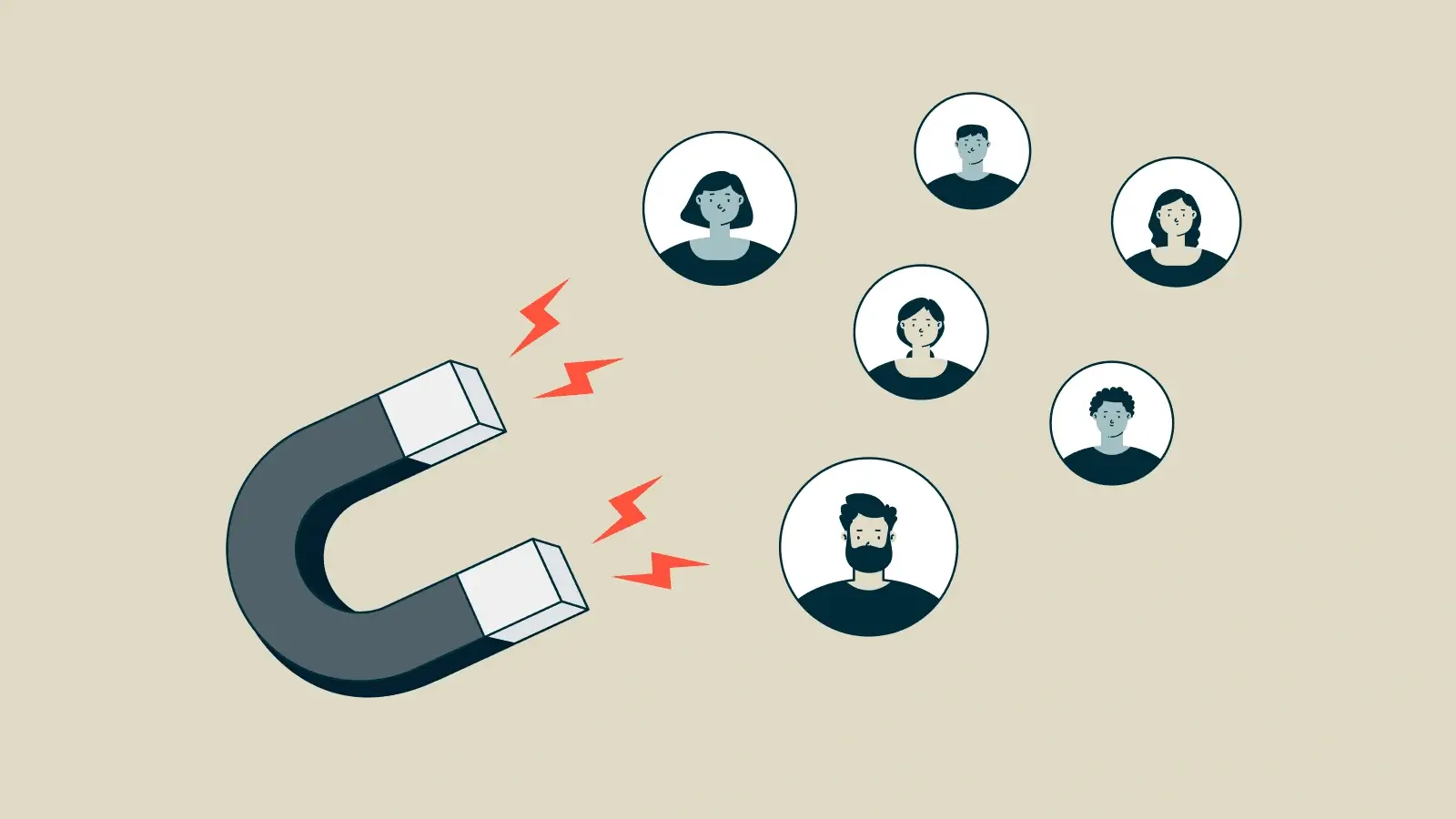
Acquiring a new clientrequires time, effort, and financialresources. Keeping an existing customer can often create more value for your business. When people enjoy their experience with your brand, they have more reasons to return.
However, customer loyalty does not happen by accident. Customers stay when a business consistently meets their expectations and gives them a reason to come back by retention strategies.
That reason could be excellent service, reliable products, convenient shopping, useful rewards, or a personal connection with the brand. The good news is that you do not need complicated systems to improve customer loyalty. some mindful adjustment can lead tosignificantimpact.
You cannot keep customers happy if you do not understand them. Start by learning what your customers want, what they value, and what problems they face. Look at reviews, support questions, purchase patterns, and feedback.
You can also ask customers directly. A short survey can reveal useful information about their experience. Pay attention to both positive and negative comments. Positive feedback shows what your business already does well. Negative feedback can highlight areas that need attention.
For example, customers may love your product but dislike slow delivery. Others may appreciate your prices but find your website difficult to use. Once you understand these issues, you can make changes that matter.
Make Customer Service a Priority
Good customer service can turn a first-time buyer into a loyal customer. Respond to questions as quickly as possible. Keep your answers clear and friendly. Avoid making customers repeat the same information several times.
Problems will happen in every business. Orders may arrive late. Products may have defects. Customers may misunderstand a policy. When problems occur, focus on finding a solution. Listen to the customer and explain what you can do to help.
You do not have to agree with every request. However, you should always treat customers with patience and respect. A helpful response can leave a better impression than a perfect transaction.
Make Shopping Simple
Convenience plays a major role in customer satisfaction. If your buying process feels difficult, customers may choose another business next time. Keep your website simple and easy to navigate. Use clear menus and organize products into logical categories.
Make important information easy to find. Customers should quickly understand prices, shipping options, payment methods, and return policies. Pay attention to your checkout process as well. Remove unnecessary steps and avoid surprising customers with unexpected costs.
Your website should also work smoothly on smartphones. A frustrating mobile experience can quickly discourage shoppers. The easier you make the buying process, the more comfortable customers may feel returning.
Personalize Your Customer Experience
People appreciate experiences that feel relevant to them. You can use customer preferences and previous purchases to create more personalized communication. For example, you could recommend products that relate to something a customer bought previously.
You might also send a reminder when a customer may need to reorder a product. However, personalization does not mean sending customers endless promotional messages. Too many messages can have the opposite effect by retention strategies.
Keep your communication useful and timely. Give customers information that actually helps them. Even a simple thank-you message can make an interaction feel more personal.
Create a Simple Loyalty Program
A loyalty program can encourage customers to shop with you again. You could reward customers for purchases, referrals, reviews, or other valuable actions. Rewards might include discounts, points, early access, free shipping, or exclusive products.
Keep the system easy to understand. Customers should know how they earn rewards and how they can use them. Avoid creating complicated rules. If customers struggle to understand the program, they may ignore it. Also, think about what your audience actually values. A reward becomes more effective when it feels useful.
Follow Up After a Purchase
Your relationship with a customer should continue after the sale. Send a follow-up message to make sure everything went well. You can also provide helpful information about using the product. For example, you could send setup instructions, care tips, tutorials, or suggestions for getting better results.
After some time, ask the customer for feedback. Find out whether the product met their expectations. This approach shows that you care about the customer’s experience rather than focusing only on the initial transaction.
Listen to Customer Feedback
Customer feedback can help you discover problems and opportunities. Ask customers what they like about your business. Then, ask what you could improve. Keep surveys short and easy to complete. You want customers to share their opinions without spending too much time.
More importantly, act on the feedback you receive. If several customers mention the same problem, take it seriously. You may need to improve your website, change your packaging, adjust your delivery process, or provide clearer information. When you make an improvement based on customer feedback, let people know. It shows that you listen.
Give Customers a Reason to Return
Customers need a reason to choose your business again. You can create that reason through dependable products, helpful service, convenient shopping, or exclusive benefits.
You could introduce new products that complement previous purchases. You could also provide useful tips related to your products. Special offers can help, but do not rely on discounts all the time. If you constantly reduce prices, customers may wait for the next sale before purchasing.
Instead, focus on the overall value you provide. When customers consistently receive quality and convenience, they have a natural reason to return.
Create a Strong Brand Connection
Customers often remember how a brand makes them feel. Share your company’s story and values. Let customers understand why your business exists and what you care about.
You can communicate these ideas through your website, social media, emails, and other content. Show some personality in your communication. You do not need to sound overly formal or robotic.
Be honest and consistent. A genuine voice can help customers feel more connected to your business. Over time, that connection can become an important part of customer loyalty.
Recognize Your Loyal Customers
Your long-term customers deserve appreciation. You can thank them with exclusive offers, early access to new products, special gifts, or personalized messages.
You do not need to spend a lot of money. Sometimes, a simple thank-you can make customers feel valued. You can also recognize important milestones. For example, you could celebrate a customer’s first year with your business or reward them after several purchases. Small gestures can strengthen relationships when they feel genuine.
Use Email Marketing Carefully
Email marketing can help you stay connected with existing customers. However, avoid filling inboxes with constant sales messages. Instead, provide information that customers find useful.
You could share product updates, helpful guides, special offers, new arrivals, or personalized recommendations. Group customers based on their interests when possible. This allows you to send more relevant messages by retentionstrategies.
Also, respect customer preferences. Give subscribers an easy way to manage their communication settings. When email provides value, customers have more reason to remain connected with your brand.
Measure Customer Behavior
You need to understand whether your efforts actually work. Monitor repeat purchases, customer reviews, engagement, and other useful indicators. You can also look at how often customers return and how much they spend over time.
You do not need to track every possible number. Focus on information that helps you make better decisions. For example, if repeat purchases increase after you introduce a loyalty program, that result can guide your next decision.
If customers stop buying after their first order, investigate why. Use your findings to improve the customer experience.
Make Retention Part of Your Business
Strong retention strategies should not exist only as a temporary campaign. They should become part of how you run your business. Train your team to communicate clearly and treat customers respectfully. Review complaints regularly and look for repeated problems.
Also, make sure your products deliver what your marketing promises. Customers may forgive an occasional mistake. However, repeated problems can quickly damage trust. Consistency matters. Customers want to know what they can expect each time they interact with your business.
Avoid Relying Only on Discounts
Discounts can attract attention, but they should not become your only way to keep customers. If customers receive discounts constantly, they may begin to see your regular prices as too high.
Instead, build loyalty through quality and service. Offer useful benefits that make customers feel appreciated. You could provide better support, exclusive content, early product access, convenient delivery, or personalized recommendations. These benefits can create stronger relationships than discounts alone.
Final Thoughts
Effective retention strategies focus on giving customers a reason to stay. They do not depend on aggressive sales tactics or constant promotions.
Start by understanding your customers. Then, improve your service, simplify the buying process, personalize communication, and reward loyal shoppers. Most importantly, listen to feedback and take action. Customers notice when businesses genuinely care about their experience.
The strongest strategies become part of everyday business operations. When you consistently provide quality, convenience, and respectful service, customers have more reasons to return.
Customer loyalty takes time to build. However, every positive interaction can strengthen the relationship and help your business grow over the long term.