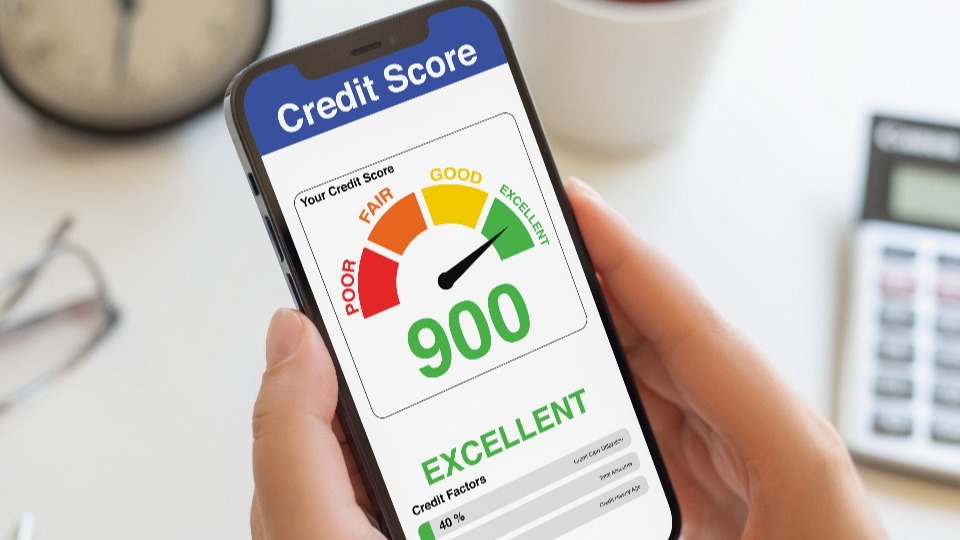




Your credit history can influence many financial decisions. Lenders may check it when you apply for a credit card, car loan, personal loan, or mortgage. A healthy credit profile may also help you qualify for more favorable borrowing terms. However, improving your credit takes time. You cannot usually fix everything with one payment or a single financial decision.
The good news is that you can make steady progress by changing a few everyday habits. You do not need complicated tricks. You need consistency, patience, and a clear understanding of how credit works. If you want to improve your credit score, a start with the steps below.
Check Your Credit Reports
First, find out what information appears on your credit reports. Review your accounts, balances, payment history, and personal information. Look for accounts you do not recognize or information that seems incorrect.
Errors can happen. If you find inaccurate information, research the proper process for disputing it with the relevant credit reporting agency and the company that supplied the information. Do not dispute information simply because you dislike seeing it. Focus on genuine inaccuracies. Checking your reports can also help you notice signs of identity theft. If you see an unfamiliar account, investigate it promptly.
Pay Every Bill on Time
Your payment habits matter. A late payment can negatively affect your credit history, particularly when you allow the account to remain overdue. Create a system that makes missed payments less likely.
Set calendar reminders before each due date. You can also use automatic payments when they make sense for your situation. If you choose autopay, make sure your account contains enough money to cover the payment. Most importantly, make timely payments a regular habit. One good month helps, but consistent behavior over time matters much more.
Keep Your Credit Card Balances Manageable
Credit card balances can influence your credit profile. One factor lender and scoring models may consider involves how much of your available credit you currently use. This relationship is commonly known as credit utilization. For example, imagine you have a total credit limit of $10,000 and carry a $2,000 balance. You use 20% of your available credit score.
Using a smaller portion of your available limit can generally look healthier than regularly using most of it. You also do not need to carry a balance from one month to another to build credit. Paying your balance in full can help you avoid unnecessary interest charges.
Work on Reducing Your Debt
High debt can make your finances harder to manage. Start by listing your balances and interest rates. This gives you a clearer picture of what you owe. You can then choose a repayment strategy that fits your budget.
Some people prefer to tackle their highest-interest debt first. Others start with the smallest balance because paying it off quickly provides motivation. Either approach can work if you stick with it.
Avoid taking on additional debt while trying to reduce your current balances. Focus on creating a repayment plan that you can maintain without putting essential expenses at risk.
Think Before Applying for New Credit
A new credit card or loan can sometimes make sense. However, applying for several accounts within a short period may create unnecessary complications. Credit applications can result in hard inquiries, depending on the lender and type of application. Multiple applications may also make lenders wonder why you need several new accounts.
Therefore, do not apply for credit simply because you receive an attractive offer. Ask yourself whether you actually need the account. Compare its interest rate, fees, rewards, and other terms before applying. A little research can help you avoid unnecessary financial commitments.
Be Thoughtful About Closing Old Accounts
Long-standing credit accounts can enhance the duration of your credit history. For that reason, closing an old account may have consequences for your credit profile, particularly if the account has a meaningful credit limit.
However, you do not need to keep every account open forever. If a card has an expensive annual fee or encourages you to overspend, closing it might make sense.
Consider the advantages and disadvantages first. Think about how the closure could affect your available credit and overall financial situation. Your credit history matters, but it should not outweigh your broader financial needs.
Avoid Maxing Out Your Cards
Using nearly your entire credit limit can make managing your finances more difficult. For example, if your credit card has a $3,000 limit, regularly carrying a balance close to that amount can indicate heavy credit use. Try to spend within an amount you can comfortably repay.
Credit cards should not become a substitute for income. If you regularly struggle to pay your balance, take a closer look at your budget. Reducing unnecessary expenses may help you create more room for debt payments.
Create a Budget That You Can Actually Follow
Good credit habits often begin with good money management. Create a simple monthly budget. Include your income, housing costs, utilities, groceries, transportation, debt payments, savings, and personal spending. A budget can show you where your money goes. It can also help you avoid taking on debt just to cover everyday expenses.
Do not make the process unnecessarily complicated. A simple budget that you follow consistently can provide more value than a detailed plan that you stop using after a few weeks.
Use Payment Reminders
Life gets busy. Even responsible people can forget a due date. Set reminders a few days before your bills arrive. This gives you time to check your account and make sure you have enough money available.
Automatic payments can provide another layer of protection. Still, check your statements regularly. Make sure the payment went through and look for unexpected charges or changes in your bills. Technology can help you stay organized, but you should remain involved in your finances.
Be Careful With Credit Repair Claims
You may see advertisements promising to fix your credit quickly. Approach these offers carefully. No legitimate service can simply remove accurate negative information from your credit history because you pay a fee.
You can take many important steps yourself. Review your reports, challenge genuine errors, pay your bills on time, reduce debt, and manage your credit responsibly.
If you decide to work with a credit-related company, research it thoroughly before providing money or personal information. Do not allow pressure or promises of instant results to influence your decision.
Give Your Credit Time to Improve
One of the hardest parts of improving your credit score involves waiting. You may make several positive changes and still see only a small difference at first. That does not mean your efforts have failed.
Credit history develops over time. Consistent payments and responsible credit use can gradually create a stronger profile. Instead of looking for overnight results, focus on the habits you can control. Pay on time. Keep balances manageable. Avoid unnecessary applications. Review your reports. Small improvements can become meaningful when you maintain them.
Monitor Your Progress
Check your credit reports regularly and watch your accounts for unusual activity. Monitoring your finances can help you catch errors and potential fraud sooner. You can also track your overall progress as you reduce debt and improve your payment habits.
However, do not panic over every small change. Different credit scoring models can produce different numbers. Your score can also change for several reasons. Focus on long-term financial behavior instead of obsessing over daily fluctuations.
Do Not Focus Only on the Number
A score matters, but it does not tell your entire financial story. You can have a good score while carrying significant debt. Likewise, someone with a less established credit history may still manage their money responsibly.
Think about the bigger picture. Build savings, control your spending, pay down expensive debt, and maintain a manageable level of borrowing. Your credit should support your financial life rather than control it.
Build Better Financial Habits
Improving your score becomes easier when you improve your overall money habits. Create a realistic budget. Keep track of your bills. Build emergency savings when possible. Avoid unnecessary debt. These habits can help you manage credit more responsibly.
You do not need to change everything at once. Choose one area that needs attention and work on it first. Once that habit becomes routine, move to the next one. Progress becomes easier when you take manageable steps.
Final Thoughts
Improving your credit score requires patience and consistent financial behavior. Start by checking your credit reports and looking for inaccurate information. Then, focus on paying bills on time and keeping credit card balances under control.
Reduce debt when possible and think carefully before applying for new credit. Also, consider how closing older accounts may affect your overall credit profile. Most importantly, avoid shortcuts and unrealistic promises.
Healthy credit develops through responsible habits over time. You may not see dramatic results immediately, but consistent effort can put you on a stronger financial path. Start with one simple change today. Keep working on it and give yourself enough time to see the results.