Water is essential for nearly every major function in the human body. It helps regulate body temperature, transport nutrients, remove waste, and support normal physical and mental performance. Since the body continuously loses water through breathing, sweating, and urination, replacing those fluids throughout the day is important for maintaining proper hydration.
Drinking enough water does not require complicated routines or strict rules for most healthy people. Individual needs can vary according to activity level, climate, diet, age, and other factors. Paying attention to thirst and maintaining regular fluid intake can help you support your body’s everyday needs.
Supports Proper Hydration
Helps Your Body Function Normally
Hydration supports many processes that your body performs throughout the day. Water contributes to circulation, digestion, temperature regulation, and the transportation of nutrients. When fluid intake does not keep up with fluid loss, dehydration can begin to affect how you feel and function.
Mild dehydration may contribute to symptoms such as thirst, dry mouth, tiredness, or headache. Drinking fluids regularly can help replace the water your body naturally loses. People who exercise or spend time in hot environments may need to pay closer attention to their fluid intake.
Helps Regulate Body Temperature
Supports the Body During Heat and Exercise
Your body uses sweating as one of its main ways to control temperature. When sweat evaporates from the skin, it helps release heat, but the process also causes fluid loss. Replacing that lost fluid becomes particularly important during exercise and hot weather.
Staying hydrated supports your body’s ability to manage temperature during physical activity. However, fluid needs can increase significantly during prolonged exercise or extreme heat. Planning ahead and drinking appropriately can make physical activity more comfortable.
Supports Physical Performance
Helps You Stay Active and Energized
Water plays an important role in normal muscle and cardiovascular function. Losing too much fluid during exercise can make physical activity feel more difficult and may affect endurance or performance. Therefore, hydration becomes especially important for people who regularly participate in sports or strenuous activities.
Drinking water before, during, and after physical activity can help replace fluids according to your needs. The amount required depends on factors such as exercise intensity, duration, temperature, and individual sweat loss. Developing consistent hydration habits can make it easier to stay prepared for activity.
Supports Concentration and Mental Performance
Helps You Stay Mentally Alert
Hydration does not only affect physical performance. Your brain also depends on adequate fluid balance to function normally, and dehydration can influence concentration, mood, and mental performance. This can become noticeable during long working or studying periods when people forget to drink.
Keeping water nearby can make regular drinking easier throughout a busy day. Taking occasional hydration breaks can also provide a natural opportunity to step away from a screen or desk. Combined with sleep, nutrition, and regular breaks, hydration supports better daily wellbeing.
Helps Support Healthy Digestion
Keeps the Digestive System Working Properly
Water contributes to normal digestion and helps food move through the digestive system. Adequate fluid intake also works alongside dietary fiber to support regular bowel movements. When people do not consume enough fluids, constipation can sometimes become more difficult to manage.
Drinking water regularly and eating fiber-rich foods can support digestive health. Fruits, vegetables, whole grains, and other foods also contribute to overall fluid and nutrient intake. Therefore, hydration works best as part of a balanced lifestyle rather than as an isolated habit.
Supports Normal Kidney Function
Helps the Body Remove Waste
The kidneys filter the blood and help the body remove waste through urine. Water supports this normal process by providing the fluid needed for urine production. Maintaining appropriate hydration therefore plays an important role in supporting normal kidney function.
Urine color can sometimes provide a rough indication of hydration, although medications, foods, and other factors can change its appearance. Consistently very dark urine may suggest that you need more fluids, depending on the circumstances. Individual medical conditions can also change appropriate fluid requirements.
May Help Prevent Some Kidney Stones
Adequate Fluids Can Dilute Urine
For people who are prone to certain kidney stones, sufficient fluid intake can be an important preventive measure. More fluid generally increases urine volume, which can reduce the concentration of substances that contribute to some types of stones.
However, kidney stones have different causes, and prevention strategies can vary. Someone with a history of stones should follow personalized medical advice rather than relying only on increased water consumption. Diet and other factors may also require attention.
Supports Joint and Tissue Function
Water Contributes to Normal Body Structures
Water forms an important part of many tissues and fluids throughout the body. It contributes to normal joint lubrication and supports tissues that require adequate hydration to function properly. This is another reason consistent fluid intake matters beyond simply relieving thirst.
However, drinking extra water is not a treatment for joint pain or injuries. Healthy joints depend on several factors, including movement, overall health, and appropriate medical care when problems occur. Hydration simply forms one part of normal body maintenance.
Can Replace High-Calorie Drinks
Water Offers Hydration Without Added Sugar
Choosing water instead of sugary drinks can reduce the amount of added sugar and calories you consume. Soft drinks, sweetened teas, energy drinks, and some specialty beverages can contribute substantial calories when consumed regularly. Water provides hydration without adding sugar or calories.
This simple substitution can support broader nutrition and weight-management goals when combined with balanced eating habits. You do not need to eliminate every other beverage, but making water your regular choice can reduce unnecessary calorie intake.
Supports Skin’s Normal Hydration
Hydration Contributes to Healthy Body Function
Skin contains water and depends on overall hydration like other tissues in the body. Drinking enough fluids helps prevent the effects associated with dehydration and supports normal skin function. However, water should not be treated as a miracle solution for every skin concern.
Skin appearance also depends on genetics, sun exposure, skincare habits, sleep, nutrition, age, and other factors. Therefore, drinking excessive amounts of water will not automatically remove wrinkles or clear skin problems. Consistent hydration simply supports normal health from within.
Helps Maintain Fluid Balance
Replaces Water Lost Throughout the Day
Your body constantly loses water even when you are not exercising. Breathing, urination, sweating, and bowel movements all contribute to daily fluid loss. Food provides some water, while beverages supply another important portion.
Regular drinking helps replace these losses before dehydration becomes significant. Keeping a reusable bottle nearby or drinking water with meals can make hydration easier to remember. Building hydration into an existing routine often works better than trying to consume large quantities at once.
How to Drink More Water Every Day
Build Simple Hydration Habits
You do not need an elaborate schedule to improve your water intake. Start the day with a drink, keep water accessible while working, and drink with meals. You can also increase your intake when exercising, spending time outdoors, or experiencing hot weather.
If you find plain water unappealing, adding fresh fruit or choosing unsweetened alternatives may make hydration more enjoyable. Foods with high water content, including many fruits and vegetables, also contribute to fluid intake. The goal is to create sustainable habits rather than forcing yourself to drink excessive amounts.
Avoid Drinking Excessive Amounts
More Water Is Not Always Better
Although hydration is essential, drinking extremely large quantities of water can also cause problems. Excessive intake over a short period can disturb the body’s sodium balance and become dangerous. Therefore, drinking more than your body needs does not automatically provide additional health benefits.
Fluid requirements differ from person to person, so there is no single amount that works perfectly for everyone. People with certain kidney, heart, or other medical conditions may receive specific instructions about fluid intake. In those situations, professional medical guidance should take priority over general hydration advice.
Final Thoughts on the Benefits of Drinking Water
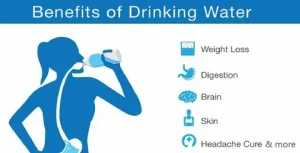
The benefits of drinking water extend across many everyday body functions, including hydration, temperature regulation, digestion, kidney function, and physical and mental performance. Water also provides a simple alternative to sugary beverages and helps replace fluids naturally lost throughout the day. Making regular hydration part of your routine can therefore support overall health and wellbeing.
Focus on consistent and sensible hydration rather than trying to follow extreme water-drinking challenges. Pay attention to your activity level, environment, thirst, and individual needs while maintaining a balanced diet and healthy lifestyle. Simple habits such as keeping water nearby and drinking regularly can make staying properly hydrated much easier.