





Unexpected expenses can appear when you least expect them. A car may need repairs, an appliance may stop working, or your income may temporarily decrease. Without savings, these situations can force you to use credit cards or borrow money. An emergency fund gives you a financial cushion that can make unexpected costs easier to handle.
Building emergency savings does not require you to put aside a large amount immediately. Instead, you can start with a manageable goal and contribute money regularly. Small deposits can gradually grow into meaningful financial protection. Most importantly, consistent saving can help you feel more prepared when an unexpected expense occurs.
Understand What an Emergency Fund Is
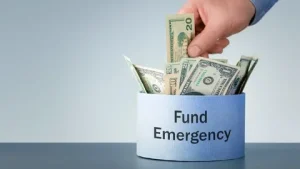
An emergency fund is money you keep specifically for necessary and unexpected expenses. It should remain separate from savings for planned purchases such as vacations, electronics, or entertainment. The purpose is to protect your regular budget when a genuine financial surprise occurs. Therefore, you should avoid using this money for everyday spending.
Your definition of an emergency should reflect your financial responsibilities. An urgent home repair, essential medical expense, necessary car repair, or unexpected loss of income may qualify. On the other hand, a sale on a product you want does not create a financial emergency. Clear boundaries can help you protect the money for situations that truly require it.
Review Your Current Financial Situation
Before setting a savings target, understand your current income and expenses. Write down how much money you receive each month and how much you spend on essential costs. Include housing, food, utilities, transportation, insurance, debt payments, and other necessary expenses. This information can help you determine how much you can realistically save.
Next, review your existing savings and outstanding debts. You may already have some money that can become the starting point for your emergency fund. However, avoid moving money that you need for upcoming bills or other essential expenses. Your emergency savings plan should strengthen your finances rather than create a new shortage.
Set an Initial Savings Goal
A large emergency savings target can feel intimidating when you are starting from zero. Therefore, begin with a smaller goal that feels achievable within your current budget. Reaching that first milestone can give you some protection while building confidence in your savings habit. Afterward, you can gradually work toward a larger amount.
Choose your target based on your expenses rather than comparing your savings with someone else’s. People have different incomes, responsibilities, family situations, and levels of financial risk. Someone with irregular income may want a different cushion from a person with predictable earnings. Your emergency fund should support your own circumstances.
Build Your Fund in Stages
Dividing a large savings goal into smaller stages can make the process easier. Start with an amount that could handle a common unexpected expense. Once you reach that target, set another milestone and continue contributing. This approach gives you visible progress instead of making the final goal feel too distant.
Celebrate reaching each milestone without spending the money you saved. Seeing your balance increase can motivate you to continue. You can also review your target as your income and expenses change. Gradual progress can eventually create a much stronger financial cushion.
Create a Monthly Budget
A monthly budget can help you find money for emergency savings. List your income and divide it between essential expenses, debt payments, personal spending, and financial goals. Include emergency savings as a specific category instead of waiting to see what remains at the end of the month. This approach gives saving a clear place in your financial plan.
Keep your budget realistic so you can follow it consistently. Extremely strict spending limits may work for a short period but become difficult to maintain. Look for reasonable reductions that do not create unnecessary frustration. A sustainable budget can support emergency savings for months or years.
Make Saving Automatic
Automatic transfers can make building an emergency fund much easier. Arrange for money to move from your regular account into savings after each payday. This process reduces the chance that you will spend the money before saving it. It also turns saving into a regular financial habit.
Start with an amount that comfortably fits your budget. You can increase the transfer later when your income grows or another expense disappears. Check your accounts regularly to make sure automatic transfers do not interfere with upcoming bills. Automation works best when you combine it with regular financial reviews.
Keep Emergency Savings Separate
Keeping emergency money separate from everyday spending can reduce temptation. When all your money sits in one account, it becomes easier to accidentally spend savings on normal purchases. A separate savings account can create a useful boundary between regular money and emergency reserves. It can also make progress easier to track.
Choose an account that keeps your money reasonably accessible when a genuine emergency occurs. At the same time, avoid making the money so convenient that you regularly transfer it back for unnecessary spending. Consider any account fees, withdrawal rules, and other terms before choosing where to keep the fund. The goal is safety, accessibility, and separation.
Cut Unnecessary Monthly Expenses
Reducing low-value expenses can create extra money for your emergency fund. Review subscriptions, memberships, delivery habits, entertainment costs, and other optional spending. Look for expenses you rarely use or no longer enjoy enough to justify the cost. Redirecting these amounts toward savings can create progress without requiring additional income.
You do not need to eliminate every enjoyable purchase. Instead, focus on spending that adds little value to your life. For example, canceling unused subscriptions may feel easier than removing activities you genuinely enjoy. Strategic cuts can make your savings plan more sustainable.
Redirect Money You Already Spend
One useful strategy involves redirecting money after an expense ends. For example, when you cancel a subscription or finish paying for something, send that same amount into your emergency fund. You already know how to live without that money in your monthly budget. Therefore, saving it may feel easier than finding a completely new amount.
Use the same strategy when you reduce a regular bill. If you lower a monthly expense, transfer part or all of the difference into savings. Small redirected amounts can accumulate when you maintain the habit. This method turns successful cost reductions into lasting financial progress.
Save Part of Extra Income
Unexpected income can help you build an emergency fund faster. Bonuses, gifts, tax refunds, overtime income, or earnings from additional work can provide opportunities to increase savings. Decide how much you will save before spending the extra money. This decision can prevent the entire amount from disappearing into unplanned purchases.
You do not necessarily need to save every dollar of additional income. You can divide the money between savings, debt, and something you enjoy. Creating a reasonable balance may make the strategy easier to maintain. However, direct a meaningful portion toward your emergency fund while it remains below your target.
Find Ways to Increase Your Income
Cutting expenses can help, but every budget has limits. If you cannot find enough room to save, increasing income may provide another solution. You could explore freelance work, tutoring, consulting, selling unused items, or another activity that matches your skills. Even temporary additional income can help you reach an emergency savings milestone.
Consider the costs and time involved before starting a side income activity. An opportunity that requires expensive equipment or significant travel may not provide as much value as expected. Track what you actually earn after related expenses. Then, direct a planned portion of the remaining income toward your fund.
Reduce Impulse Purchases
Impulse purchases can quietly compete with your savings goals. Online stores and promotional offers make it easy to spend money within seconds. Before making a nonessential purchase, give yourself time to consider whether you genuinely need or want it. A short waiting period can prevent many unnecessary expenses.
You can also remove saved payment information from shopping websites if quick purchases create problems. Unsubscribe from promotional emails that regularly tempt you to spend. Then, transfer some of the money you avoid spending into your emergency fund. Seeing the savings balance grow can provide a stronger reward than another impulse purchase.
Plan for Predictable Expenses Separately
Not every large expense qualifies as an emergency. Holidays, annual insurance payments, routine vehicle maintenance, school costs, and planned travel may happen infrequently, but you can usually predict them. Create separate savings categories for these expenses. This approach prevents planned costs from draining your emergency fund.
Estimate how much each irregular expense may cost and save a smaller amount every month. When the bill arrives, you can use the money you specifically prepared for it. This method protects your emergency savings for genuine surprises. It can also make your monthly finances feel more predictable.
Create Multiple Savings Goals
Separate savings goals can make money management clearer. You might have one account or category for emergencies and others for travel, repairs, education, or future purchases. Each category should have a specific purpose. This structure helps you avoid treating all savings as money available for any expense.
You do not necessarily need a different bank account for every goal. Many financial tools allow you to organize savings into categories within one account. Choose a system that remains easy to understand and maintain. Clear organization can help you protect your emergency fund from planned spending.
Decide When to Use Your Emergency Fund
Create simple rules for using emergency savings before you face a stressful situation. Ask whether the expense is necessary, unexpected, and difficult to cover through your normal monthly budget. If it meets these conditions, using your emergency fund may make sense. These guidelines can reduce uncertainty when an unexpected cost appears.
Avoid feeling that you failed when you need to use the money for a genuine emergency. Covering unexpected expenses is exactly why you created the fund. The important step comes afterward when you begin rebuilding the amount. Think of emergency savings as financial protection rather than money that must remain untouched forever.
Rebuild the Fund After Using It
If an emergency reduces your savings, make rebuilding the fund a financial priority. Review your budget and restart your regular contributions as soon as your situation allows. You may temporarily reduce optional spending to restore the balance more quickly. However, avoid creating unrealistic restrictions that you cannot maintain.
Use the experience to review whether your previous savings target provided enough protection. A large unexpected expense may show that you need a bigger financial cushion. On the other hand, your fund may have worked exactly as planned. Either way, the experience can help you improve your future savings strategy.
Increase Savings When Your Income Grows
A salary increase can create an opportunity to strengthen your emergency fund without reducing your current lifestyle. Before spending the entire increase, decide how much you want to direct toward savings. Even saving part of every raise can accelerate progress significantly. This approach also helps prevent your expenses from automatically rising with your income.
You can use the same strategy after paying off a debt. Redirect some or all of the old monthly payment toward emergency savings. Since your budget already included that amount, the transition may feel manageable. Once your emergency fund reaches its target, you can redirect the money toward another financial goal.
Avoid Investing Emergency Money Aggressively
Emergency savings serve a different purpose from long-term investments. You may need this money quickly, so protecting accessibility matters more than chasing high returns. Investments that change significantly in value could leave you with less money when an emergency occurs. Therefore, consider the purpose of the fund before deciding where to keep it.
Long-term money can follow a different financial strategy based on your goals and risk tolerance. Keep emergency reserves focused on stability and reasonable access. Review the terms and protections of any financial account you consider. If you need personalized guidance, consult a qualified financial professional.
Final Thoughts
Learning how to build an emergency fund starts with setting a realistic goal and creating room in your monthly budget. Automate contributions, reduce unnecessary expenses, and direct part of extra income toward savings. Keep emergency money separate from funds for predictable purchases and other financial goals. These simple habits can gradually create a valuable financial cushion.
Most importantly, remain consistent and adjust your strategy when your circumstances change. You do not need to build your entire emergency fund immediately for it to provide value. Every contribution increases the amount available when an unexpected expense occurs. With patience and regular saving, you can build stronger financial protection and greater confidence in handling life’s surprises.