




The modern business landscape moves at a rapid pace. Companies constantly adapt their physical spaces to match new work styles. Traditional office setups no longer satisfy modern corporate requirements. Business leaders now demand flexible layouts and sustainable building designs. Consequently, commercial property markets experience massive shifts across major global cities. Investors and developers must track these changes carefully to protect their valuable capital.
The Evolution of Workplace Design
Decades ago, corporate environments looked entirely uniform. Rows of private offices filled every single floor. Employees sat at fixed desks from morning until evening. Collaboration happened only in formal conference rooms. Furthermore, commuting to a central office building served as a strict daily routine for everyone.
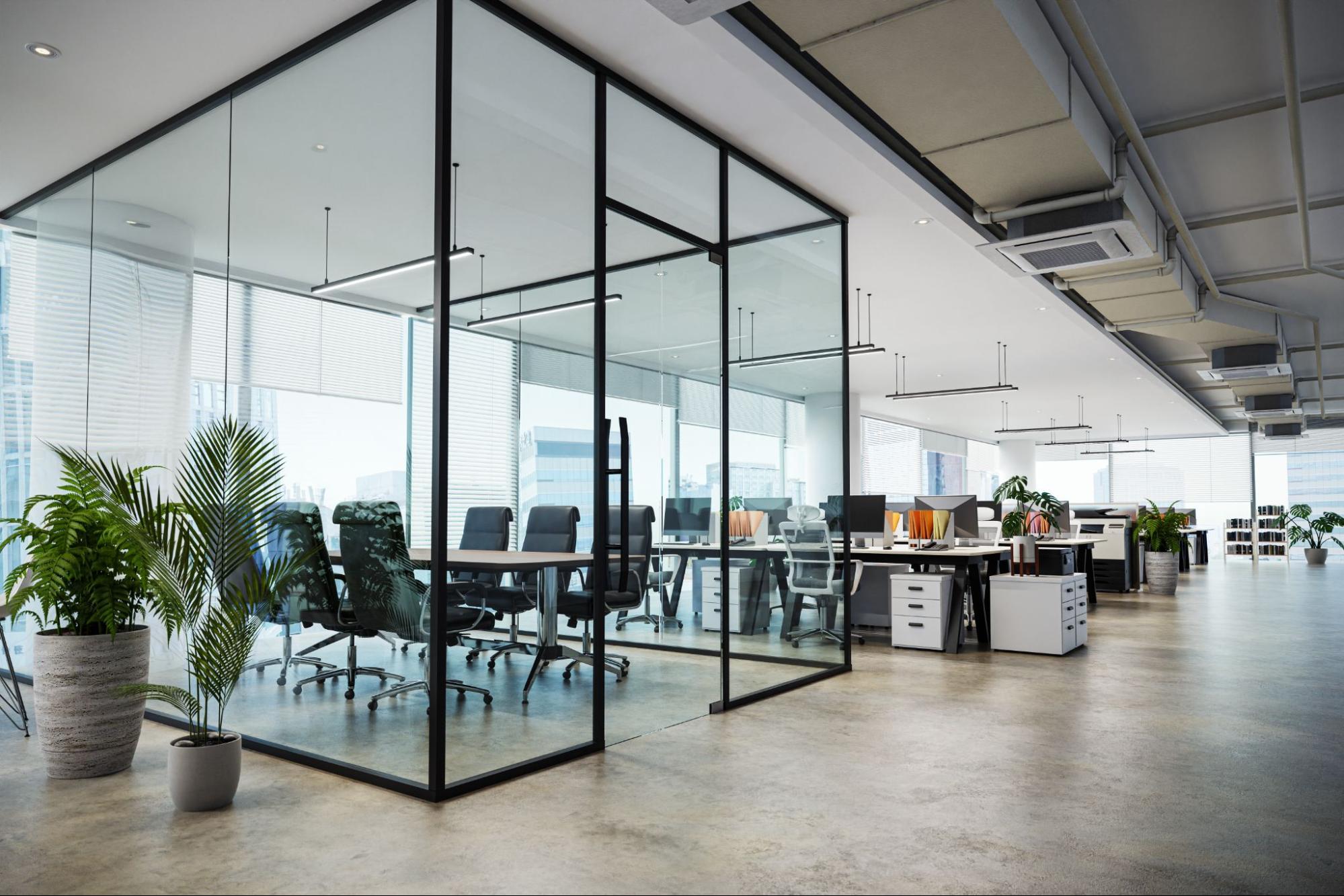
Today’s workplace bears little resemblance to that old model. Hybrid work schedules completely alter daily office attendance. Companies downsize their overall footprint while upgrading interior quality. Moreover, firms prioritize collaborative zones, quiet focus pods, and wellness rooms. Workers return to the office for social connection and teamwork rather than routine typing tasks.
Why Flexibility Drives Modern Demand
Flexibility stands out as the biggest priority for modern tenants. Businesses hate signing rigid tenancies that last for a decade. Economic uncertainty forces corporations to stay agile. Therefore, landlords offer short-term leases and modular spaces.
Co-working spaces and serviced offices continue to gain massive popularity. Startups and large enterprises share common reception areas, kitchens, and meeting rooms. This setup lowers overhead costs for tenants. Meanwhile, property owners maximize their occupancy rates by dividing large floors into smaller, adaptable units.
Sustainability and Green Buildings
Environmental awareness shapes the future of city skylines. Eco-friendly construction materials reduce the carbon footprint of new developments. Tenants actively seek out buildings with high energy-efficiency ratings. Corporations want to prove their commitment to fighting climate change.
Smart energy systems monitor electricity and water consumption continuously. Solar panels and advanced HVAC controls lower monthly utility expenses. Furthermore, green certifications boost building valuations significantly. Sustainable properties attract premium rents and retain high-paying corporate tenants much longer.
The Rise of Industrial and Logistics Spaces
Online shopping habits change industrial real estate completely. Retailers require massive distribution centers close to major population hubs. Fast shipping demands efficient warehousing solutions near urban areas. Therefore, demand for commercial property focused on logistics reaches historic highs.
Developers convert old manufacturing plants into high-tech fulfillment hubs. These facilities feature automated sorting systems and robotic inventory management. Truck fleets move goods quickly from fulfillment centers straight to consumer doorsteps. Investors pour billions of dollars into industrial parks to capture this ongoing retail boom.
Technological Integration in Office Spaces
Modern workplaces rely heavily on smart technology. Internet of Things devices control lighting and temperature based on room occupancy. Employees use mobile apps to book desks and reserve meeting rooms before arriving.
Touchless entry systems improve security and hygiene across office towers. High-speed fiber-optic internet connections support heavy data transfers effortlessly. Landlords invest heavily in these digital upgrades. Buildings lacking modern infrastructure struggle to find stable tenants.
Retail Real Estate Transformation
Physical retail faces intense competition from e-commerce platforms. Traditional shopping malls must reinvent themselves to survive. Store owners shift toward experiential retail models. Customers visit physical shops to taste, touch, and test products directly.
Shopping centers now feature entertainment zones, fitness clubs, and popular restaurants alongside retail stores. Landlords mix residential apartments into traditional retail complexes to create vibrant communities. This mixed-use strategy brings steady foot traffic and revitalizes struggling shopping districts.
Urbanization and Mixed-Use Developments
Cities continue to grow as young professionals seek vibrant lifestyles. People want to live, work, and play within the same neighborhood. Mixed-use developments answer this growing consumer demand.
These massive projects combine residential apartments, office towers, and retail shops into single complexes. Residents walk downstairs to reach their offices or local grocery stores. This convenience reduces daily traffic congestion and lowers carbon emissions. Investors favor mixed-use developments because they diversify financial risks across multiple asset classes.
Economic Pressures and Interest Rates
Financial markets influence real estate valuations profoundly. Rising interest rates increase borrowing costs for property developers. Securing loans for new construction projects becomes much harder.
Investors adjust their strategies to handle these higher expenses. They focus on acquiring prime assets with strong existing cash flows. Furthermore, cautious underwriting protects portfolios from sudden market corrections. Experienced players look for discounted opportunities while hesitant buyers step back.
Healthcare and Life Sciences Facilities
Specialized sectors provide strong growth opportunities for investors. The healthcare industry expands rapidly due to aging populations. Medical offices, outpatient clinics, and biotechnology labs remain in high demand.
Life sciences companies require sterile laboratories and advanced ventilation systems. These spaces demand high technical specifications and specialized build-outs. Consequently, landlords enjoy stable, long-term tenancies from medical and pharmaceutical tenants who rarely relocate.
Adapting to Changing Tenant Expectations
Tenant expectations evolve faster than ever before. Companies expect responsive property management and instant maintenance support. Landlords use digital portals to handle tenant requests smoothly by commercial property. Amenities dictate where top-tier companies choose to set up operations. Rooftop gardens, secure bicycle parking, and on-site cafes attract talented employees. Providing these extra perks helps employers convince their staff to work from the office more frequently.
Investment Strategies in a Dynamic Market
Smart investing requires deep market research and careful analysis. Blindly buying square footage no longer guarantees financial success. Investors evaluate neighborhood growth potential, transit links, and local zoning laws before writing checks.
Diversification protects portfolios against localized economic downturns. Savvy investors hold a mix of office, industrial, and retail assets. This balanced approach helps cushion financial blows when one specific sector faces temporary difficulties.
The Importance of Location Strategy
Location remains a fundamental rule in property development. Proximity to public transit networks dictates long-term asset value. Commuters prefer offices located near subway stations and major bus lines.
Suburban office parks face unique challenges as workers demand central city locations. Developers convert underperforming suburban office buildings into residential apartments. This adaptive reuse strategy breathes new life into neglected urban areas.
Regulatory Changes and Zoning Laws
Local governments update zoning regulations to encourage sustainable growth. Cities want more housing options and vibrant pedestrian zones. Developers must navigate complex approval processes to build mixed-use projects.
Compliance with environmental regulations adds another layer of complexity. Energy disclosure laws penalize owners of inefficient buildings. Staying ahead of these legal changes prevents costly fines and protects property values.
Wellness and Indoor Air Quality
Health concerns remain top of mind for office workers everywhere. Modern ventilation systems filter out pollutants and circulate fresh outdoor air continuously. Clean indoor environments reduce employee sick days and boost productivity.
Landlords highlight air quality metrics to entice cautious corporate tenants. Access to natural sunlight and biophilic design elements creates calming workspaces. Prioritizing human well-being transforms ordinary office buildings into high-demand destinations.
The Future of Property Valuations
Valuation models face unprecedented disruptions today. Traditional appraisal methods rely heavily on historical sales data. Modern markets move too fast for backward-looking metrics alone.
Appraisers incorporate real-time leasing data, tenant satisfaction scores, and sustainability ratings into their calculations. Property values reflect future earning potential rather than past performance. Accurate valuations help investors make smart decisions in an uncertain financial climate.
Conclusion
The built environment undergoes constant reinvention. Outdated layouts and inefficient operations no longer satisfy modern corporate demands. Successful stakeholders embrace flexibility, green technology, and mixed-use designs. Monitoring every commercial property trend ensures long-term profitability and sustainable growth. The future belongs to adaptive developers who prioritize tenant well-being and smart innovation.