




Drop shipping has become one of the most popular ways to start an online business because it allows entrepreneurs to sell products without purchasing inventory in advance. Instead of storing products in a warehouse, business owners partner with suppliers who handle inventory management, packaging, and shipping. This business model significantly reduces startup costs and allows beginners to launch an online store with less financial risk. As a result, drop shipping has attracted entrepreneurs from around the world who want to build an ecommerce business.
Although drop shipping removes many traditional barriers to starting a business, success still requires careful planning, strong marketing, and excellent customer service. Choosing the right products, working with reliable suppliers, and building a trustworthy brand all contribute to long-term growth. This drop shipping business guide explains how the business model works and provides practical steps to help you build a profitable online store.
What Is Drop shipping?
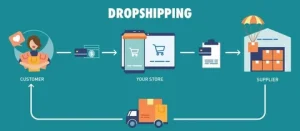
Drop shipping is an ecommerce business model where you sell products through your online store without keeping inventory yourself. When a customer places an order, you purchase the product from a supplier, who then ships it directly to the customer. You earn the difference between your selling price and the supplier’s cost.
Because you do not need to purchase inventory upfront, drop shipping reduces financial risk compared to traditional retail businesses. However, you remain responsible for marketing, customer service, pricing, and managing the overall shopping experience.
Why Choose Drop shipping?
One of the biggest advantages of drop shipping is the low startup cost. Traditional retail businesses often require significant investments in inventory, warehouse space, and storage equipment. With drop shipping, you only purchase products after customers place orders, allowing you to start with a much smaller budget.
Another benefit is flexibility. Since suppliers handle inventory and shipping, you can operate your business from almost anywhere with an internet connection. This makes drop shipping attractive for entrepreneurs who value location independence and flexible working hours.
Choose the Right Niche
Focus on a Specific Market
Selecting a profitable niche is one of the most important decisions when starting a drop shipping business. Instead of trying to sell every type of product, focus on a specific category that appeals to a clearly defined audience. A niche store is easier to market because your messaging targets customers with shared interests and needs.
Research market demand before making your decision. Look for products that solve common problems, follow current trends, or meet ongoing customer needs. Choosing a niche with steady demand increases your chances of building a sustainable business.
Understand Your Customers
Knowing your target audience helps you create more effective marketing campaigns and product descriptions. Research your customers’ age, interests, buying habits, and spending preferences. Understanding these factors allows you to select products that genuinely appeal to your audience.
Customer research also helps you determine the most suitable pricing strategy and promotional methods. Businesses that understand their audience often achieve stronger engagement and higher conversion rates.
Find Reliable Suppliers
Your suppliers play a major role in the success of your drop shipping business. Since they manage inventory and shipping, choosing dependable partners is essential. Research suppliers carefully by reviewing their product quality, shipping times, communication, and customer feedback before adding products to your store.
Building strong relationships with suppliers also improves business operations. Reliable suppliers respond quickly to issues, maintain accurate inventory levels, and deliver products consistently. These factors directly affect customer satisfaction and your business reputation.
Build a Professional Online Store
Choose the Right Ecommerce Platform
Your online store serves as the face of your business. Select an ecommerce platform that offers secure payment processing, mobile-friendly design, inventory management, and marketing tools. A reliable platform simplifies store management while creating a smooth shopping experience for customers.
Look for features that support future growth, including integrations with suppliers, shipping services, analytics, and email marketing tools. Choosing a scalable platform prepares your business for long-term expansion.
Create a Trustworthy Website
A professional website builds confidence among potential customers. Use a clean layout, easy navigation, and high-quality product images to create a positive first impression. Include important pages such as Contact, About Us, Privacy Policy, Shipping Information, and Return Policy.
Customer trust also depends on transparency. Clearly explain shipping times, return policies, and payment security so buyers understand exactly what to expect before completing their purchases.
Write High-Quality Product Descriptions
Product descriptions should explain how each item benefits customers instead of simply listing features. Focus on solving problems, highlighting value, and describing the experience customers can expect after purchasing the product. Well-written descriptions increase buyer confidence while improving conversion rates.
Adding detailed specifications, dimensions, materials, and care instructions also helps customers make informed purchasing decisions. Accurate information reduces confusion and lowers the likelihood of returns.
Develop a Marketing Strategy
Use Search Engine Optimization
Search engine optimization helps potential customers discover your online store through search engines. Optimize product pages, category pages, and blog articles using relevant keywords that match customer searches. Fast website performance, mobile optimization, and valuable content further improve search rankings.
Publishing educational blog content related to your products also attracts organic traffic. Helpful articles establish your store as a trusted source while increasing opportunities for long-term customer acquisition.
Promote Through Social Media
Social media platforms provide excellent opportunities to showcase products and connect with potential customers. Share product demonstrations, customer reviews, behind-the-scenes content, and educational posts that encourage engagement. Consistent activity helps increase brand awareness while driving traffic to your website.
Short-form videos and user-generated content often perform especially well because they appear authentic and relatable. Encouraging customers to share their experiences also strengthens your brand’s credibility.
Provide Excellent Customer Service
Customer service plays a major role in building a successful drop shipping business. Respond promptly to inquiries, provide regular order updates, and resolve problems professionally. Even though suppliers handle shipping, customers expect your business to assist them throughout the purchasing process.
Offering helpful support creates positive experiences that encourage repeat purchases and recommendations. Strong customer relationships often become one of the biggest advantages in a competitive ecommerce market.
Monitor Your Business Performance
Successful drop shipping businesses continuously analyze their performance. Track website traffic, sales, conversion rates, advertising campaigns, and customer behavior to understand what works best. Analytics tools help identify high-performing products while revealing opportunities for improvement.
Testing different pricing strategies, product pages, and marketing campaigns also supports better decision-making. Small improvements made consistently often produce significant long-term growth.
Common Drop shipping Challenges
Although drop shipping offers many advantages, it also presents challenges. Since suppliers control inventory and shipping, delays or stock shortages may affect customer satisfaction. Working with reliable suppliers and maintaining clear communication helps minimize these issues.
Competition can also be intense because many entrepreneurs sell similar products. Building a unique brand, providing exceptional customer service, and creating valuable content help differentiate your business from competitors.
Tips for Long-Term Success
Treat your drop shipping business as a real company rather than a quick way to make money. Invest time in improving your website, strengthening your brand, and building lasting customer relationships. Focus on creating value instead of simply chasing short-term sales.
Continue learning about ecommerce, digital marketing, customer behavior, and emerging trends. Businesses that adapt to changing markets and continuously improve their strategies are more likely to achieve sustainable success over time.
Conclusion
This drop shipping business guide demonstrates that starting an online store does not require large investments or maintaining physical inventory. By choosing the right niche, partnering with reliable suppliers, creating a professional ecommerce website, and implementing effective marketing strategies, you can build a successful drop shipping business with long-term growth potential.
While drop shipping offers flexibility and lower startup costs, lasting success comes from consistent effort, excellent customer service, and continuous learning. Entrepreneurs who focus on building trust, delivering value, and improving their operations over time can create profitable online businesses that continue growing in the competitive ecommerce industry.