






A growth mindset is the belief that your abilities, intelligence, and skills can improve through learning, effort, and experience. Instead of believing that talent is fixed, people with a growth mindset understand that progress comes from practice, patience, and continuous improvement.
Developing a growth mindset can change the way you approach challenges, failures, and opportunities. It helps you become more confident, adaptable, and willing to learn. Whether you want to improve your career, relationships, skills, or personal habits, a growth mindset can help you move forward with a more positive approach.
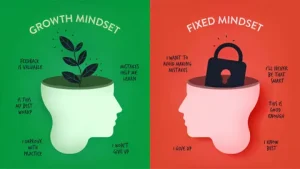
Understand the Difference Between Fixed and Growth Mindset
Recognize Your Current Thinking Patterns
The first step toward developing a growth mindset is understanding how you currently respond to challenges. A fixed mindset often makes people believe that their abilities cannot change. They may avoid difficult tasks because they fear failure or compare themselves negatively with others. A growth mindset creates a different perspective. Instead of thinking, “I am not good at this,” you begin to think, “I can improve with practice.” This small change in thinking can encourage you to take action and continue learning even when something feels difficult.
Focus on Improvement Instead of Perfection
Many people avoid trying new things because they want to be perfect immediately. However, growth comes from making mistakes, learning, and improving over time. When you focus only on perfect results, you may miss valuable opportunities to develop new skills. A growth mindset allows you to appreciate progress instead of expecting instant success. Every small improvement contributes to long-term development and helps you become better than you were before.
Embrace Challenges as Learning Opportunities
Step Outside Your Comfort Zone
Challenges often feel uncomfortable because they require effort and uncertainty. However, difficult situations are where the most growth happens. When you avoid challenges, you limit your opportunities to learn and improve.
Start by taking small steps outside your comfort zone. Try learning a new skill, accepting a new responsibility, or approaching a problem differently. Each experience builds confidence and shows you that you are capable of more than you may realize.
Change How You View Difficulties
Instead of seeing challenges as obstacles, view them as opportunities to develop your abilities. A difficult task does not mean you are incapable. It simply means you are facing something that requires more practice and patience.
Successful people often achieve their goals because they continue working through difficulties. They understand that struggle is a natural part of improvement rather than a sign that they should stop.
Learn From Mistakes and Failures
Use Mistakes as Feedback
Failure is one of the biggest areas where mindset makes a difference. A fixed mindset may view failure as proof of weakness, while a growth mindset sees it as information that can guide improvement.
When something does not work, analyze what happened and identify what you can do differently next time. Mistakes can reveal areas where you need more practice, better preparation, or a different strategy.
Avoid Negative Self-Talk
The way you speak to yourself affects your confidence and motivation. Negative thoughts such as “I cannot do this” or “I always fail” can prevent you from taking action.
Replace negative statements with more productive ones. Instead of saying, “I am bad at this,” try saying, “I am still learning this skill.” This approach encourages patience and keeps your focus on progress.
Develop a Love for Learning
Stay Curious and Open-Minded
A growth mindset requires curiosity and a willingness to explore new ideas. People who continue learning throughout life are more prepared to adapt to changes and discover new opportunities.
Read books, take courses, ask questions, and learn from people with different experiences. Every new piece of knowledge can help you expand your abilities and improve your understanding.
Make Learning a Daily Habit
Personal growth does not require major changes overnight. Small learning habits practiced consistently can create significant results over time. Spending even a few minutes each day developing a skill can gradually improve your knowledge and confidence.
Create a routine that supports learning. This could include reading, practicing a skill, listening to educational content, or reflecting on what you learned during the day.
Accept Feedback Positively
Use Feedback to Improve
Feedback can sometimes feel uncomfortable, but it provides valuable information about areas where you can grow. People with a growth mindset do not see feedback as criticism. Instead, they use it as a tool for improvement.
Listen carefully when others provide suggestions and consider how you can apply their advice. Constructive feedback can help you recognize weaknesses that you may not notice yourself.
Surround Yourself With Growth-Oriented People
The people around you can influence your mindset and habits. Spending time with individuals who encourage learning, improvement, and positive thinking can motivate you to continue growing.
Look for mentors, friends, or colleagues who challenge you in a supportive way. Positive environments make it easier to stay focused on personal development.
Focus on Effort and Consistency
Value the Process
Many people focus only on final results, but growth happens through the process. The effort you put into learning, practicing, and improving is what creates lasting progress.
Celebrate small achievements along the way. Recognizing progress can keep you motivated and remind you that improvement happens through consistent effort.
Build Strong Habits
A growth mindset becomes stronger when supported by positive daily habits. Create routines that help you practice skills, manage your time, and work toward your goals.
Consistency matters more than occasional bursts of motivation. Small actions repeated regularly can create meaningful changes in your abilities and confidence.
Develop Patience With Yourself
Understand That Growth Takes Time
Personal development is a long-term process. You will not master every skill immediately, and progress may sometimes feel slower than expected. Learning to be patient with yourself helps you continue moving forward.
Avoid comparing your progress with others because everyone has different experiences and starting points. Focus on becoming better than you were yesterday instead of trying to match someone else’s journey.
Apply a Growth Mindset in Everyday Life
Change How You Approach Goals
A growth mindset can improve the way you approach personal and professional goals. Instead of focusing only on the outcome, create a plan for learning and improvement along the way. Break large goals into smaller steps and focus on what you can do today. Each completed step builds confidence and moves you closer to your bigger objective.
Final Thoughts on Developing a Growth Mindset
Developing a growth mindset requires changing the way you think about learning, challenges, and failure. It means believing that your abilities can improve through effort, practice, and dedication.
Start by embracing challenges, learning from mistakes, accepting feedback, and building consistent habits. Over time, this mindset can help you become more confident, adaptable, and prepared to achieve your personal and professional goals. Growth does not happen instantly, but every small step creates progress toward becoming a better version of yourself.


