





Eating well can feel difficult when your schedule stays busy. After a long day at work, you may not want to spend another hour in the kitchen. As a result, you might order takeout or choose whatever food feels quickest.
Meal preparation can make those busy days much easier. When you prepare ingredients ahead of time, you reduce the effort needed to cook later. You also have more control over the ingredients, portions, and flavors you choose.
A Healthy Meal does not need to include complicated recipes or expensive ingredients. Simple foods can provide plenty of variety and nutrition. Start with a few meals that you enjoy and build your routine gradually.
Start With a Simple Plan
Good meal preparation begins before you enter the kitchen. Take a few minutes to look at your schedule and decide which meals you need during the week. Think about your busiest days first. You may want to prepare complete meals for those days. On lighter days, you can cook something fresh.
Choose two or three recipes that you genuinely enjoy. Avoid filling your plan with complicated dishes that require too many ingredients. Make a grocery list before shopping. This simple step can save time and help prevent unnecessary purchases.
Build Balanced Meals
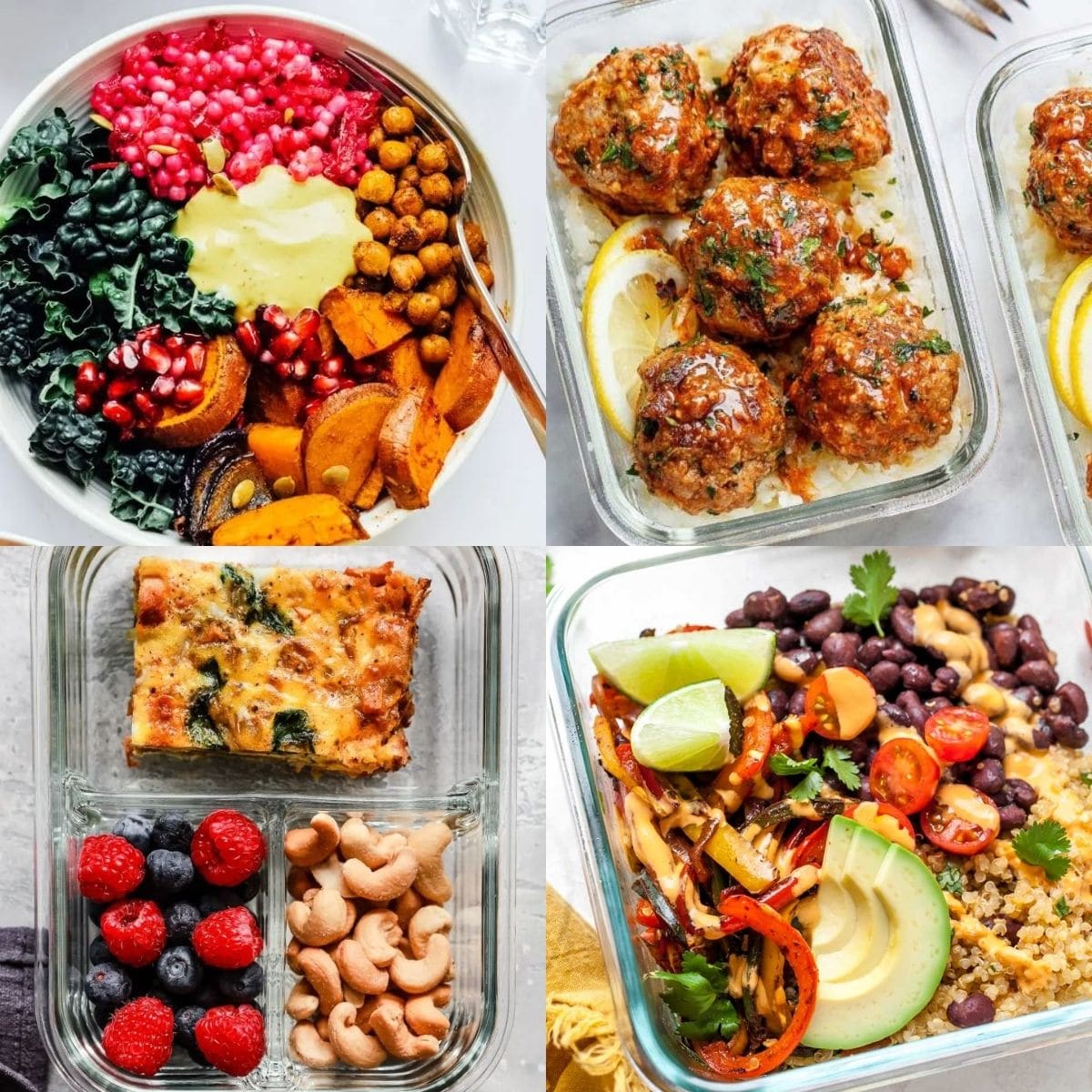
A balanced meal should include a combination of nutritious foods. Try pairing a protein source with vegetables, carbohydrates, and healthy fats. Chicken, fish, eggs, beans, lentils, tofu, and Greek yogurt can provide protein. For carbohydrates, consider oats, brown rice, quinoa, potatoes, whole-grain pasta, or whole-grain bread.
Vegetables can add color, fiber, vitamins, and minerals. Choose fresh or frozen options based on your budget and convenience. Healthy fats can come from foods such as avocado, nuts, seeds, and olive oil. You do not need to make every plate perfect. Focus on creating balanced choices throughout the week.
Prepare Protein in Advance
Protein can serve as the foundation for several meals. Cook a batch of chicken, turkey, fish, tofu, lentils, or beans. Divide the portions and store them properly.
You can then use the same protein in different dishes. For example, add chicken to a rice bowl one day. Later, use it in a wrap with lettuce, tomatoes, and avocado. Changing the seasonings or sauces can also give the same ingredient a completely different flavor. This method saves cooking time without making your meals feel repetitive.
Roast Several Vegetables at Once
Roasted vegetables make meal preparation simple. Choose vegetables that you enjoy. Broccoli, carrots, bell peppers, zucchini, onions, and sweet potatoes all work well.
Cut them into similar-sized pieces so they cook evenly. Add a small amount of olive oil and season them with herbs or spices. Once cooked, store them in suitable containers.
You can add roasted vegetables to salads, wraps, pasta, grain bowls, or side dishes. Preparing several vegetables at once can reduce the amount of work you need to do later.
Make Easy Grain Bowls
Grain bowls offer plenty of flexibility. Start with a base such as brown rice, quinoa, barley, or another whole grain. Add vegetables and your preferred protein. Then, finish the bowl with a flavorful dressing or sauce.
You can change the ingredients depending on what you have available. Try chicken, roasted vegetables, and a yogurt-based sauce. Another day, combine beans, corn, tomatoes, avocado, and lime. A Healthy Meal can remain interesting when you use different flavors and combinations.
Prepare Breakfast Ahead of Time
Busy mornings can make breakfast easy to skip. Preparing breakfast in advance can help you start the day with less effort. Overnight oats offer a convenient option. Mix oats with milk or another suitable liquid and refrigerate them overnight. In the morning, add fruit, nuts, seeds, or yogurt.
You can prepare several portions at once. Try different combinations to keep breakfast interesting. Egg muffins, yogurt bowls, and homemade breakfast wraps can also work well for advance preparation. Choose options that match your preferences and schedule.
Keep Nutritious Snacks Ready
Hunger can make it difficult to stick with your eating goals. Prepare simple snacks before your week becomes busy. Wash fruit and divide it into convenient portions.
You can also cut vegetables such as carrots, cucumbers, and bell peppers. Pair vegetables with hummus or another dip. Greek yogurt, nuts, boiled eggs, and fresh fruit can also make convenient choices.
Keep these foods where you can easily see them. When nutritious options are ready to eat, you may find it easier to avoid fewer satisfying snacks.
Try One-Pan Meals
One-pan meals can reduce both cooking time and cleanup. Place your protein, vegetables, and seasonings on a baking sheet. Cook everything according to the appropriate instructions. Chicken with potatoes and vegetables makes a simple combination. You can also prepare fish with vegetables and a suitable grain. Make several portions at once and store the extras safely. This approach works especially well when you want a quick dinner after a long day.
Use Your Freezer
Your freezer can make meal preparation even easier. Freeze extra portions of soups, stews, cooked grains, sauces, and suitable prepared meals on the base of Healthy Meal.
Label each container with the food name and date. This habit helps you keep track of what you have stored. frozen foods can also help reduce waste. If you have more fruit or vegetables than you can use quickly, freezing some of them can give you more time to enjoy them. Always follow safe storage and thawing practices.
Keep Sauces Separate
Sauces and dressings can make simple meals much more enjoyable. However, adding dressing too early can make salads soggy. Store sauces separately and add them just before eating.
Try simple combinations such as olive oil with lemon juice, yogurt with herbs, or a homemade vinaigrette. You can also experiment with spices and fresh herbs. Small flavor changes can make familiar ingredients feel new.
Avoid Overcomplicating Meal Prep
Meal preparation should save you time, not create another source of stress. You do not need to spend an entire day cooking dozens of containers. Start with a few basic ingredients. Prepare one protein, one or two vegetables, and one carbohydrate.
You can also prepare ingredients instead of complete meals. Wash vegetables, cook grains, boil eggs, or portion snacks ahead of time. This approach gives you flexibility while still reducing kitchen time.
Store Food Safely
Proper storage matters when preparing meals ahead of time. Use clean containers and store perishable foods in the refrigerator or freezer as appropriate.
Pay attention to food safety recommendations when keeping cooked food for several days. If you are unsure whether something remains safe to eat, avoid taking unnecessary risks.
Airtight containers can help maintain food quality and prevent spills. Organize your refrigerator so you can easily see the meals you prepared.
Add Variety to Your Meals
Eating the same dish every day can become boring. Use different herbs, spices, sauces, and cooking methods to change the flavor. You can also serve the same ingredients in different ways.
For example, chicken, rice, and vegetables can become a grain bowl one day. The next day, you can use the same ingredients inside a wrap. Beans can work in salads, soups, tacos, and bowls. A little creativity can keep your meals enjoyable.
Shop With a Purpose
Your grocery list should match your meal plan. Avoid buying large quantities of food simply because something looks like a bargain. Think about when and how you will use each item. Choose ingredients that can work in several meals.
For example, spinach can go into omelets, salads, wraps, pasta, and smoothies. This strategy can help you reduce waste and get more value from your groceries.
Make Meal Prep Fit Your Lifestyle
Everyone has a different schedule. Some people prefer preparing meals on Sunday. Others may find it easier to cook smaller batches throughout the week.
Choose the method that feels realistic for you. If cooking for an entire week feels overwhelming, prepare only two or three days at a time.
You can also keep a few quick ingredients available for days when your schedule changes unexpectedly. Flexibility can make the habit easier to maintain.
Final Thoughts
Healthy eating does not require complicated recipes or hours in the kitchen. Start with simple ingredients and prepare a few items ahead of time. Cook proteins, roast vegetables, prepare grains, and keep easy snacks available. Use sauces, herbs, and spices to create variety without adding much extra work.
A Healthy Meal should fit your lifestyle and make nutritious eating more convenient. Do not worry about creating perfect meals every day. Focus on making better choices consistently. As you become comfortable with meal preparation, experiment with new recipes and ingredients. You can adjust portions, flavors, and preparation methods based on what works best for you.
The goal is simple. Make good food easier to access when your schedule becomes busy. With a little planning, a Meal can become a practical part of your weekly routine. Start small, stay flexible, and choose foods that you enjoy. Over time, meal preparation can save time, reduce food waste, and make balanced eating much easier.
Remember, the best approach is one you can maintain. A Meal does not need to be perfect. It simply needs to support your everyday needs and help you build healthier eating habits over time.