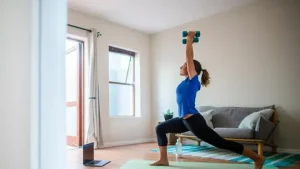
Starting a fitness journey can feel overwhelming, especially if you have never exercised regularly. Many beginners believe they need expensive gym memberships or advanced equipment to get fit. In reality, you can improve your strength, endurance, and overall health without leaving your home. A simple workout routine performed consistently can deliver noticeable results while helping you build healthy habits.
Following a home workout routine for beginners allows you to exercise at your own pace in a comfortable environment. It also saves time and money while giving you the flexibility to work out whenever it fits your schedule. With patience and consistency, you can improve your fitness level and build confidence with every workout.
Why Choose Home Workouts?
Home workouts offer convenience and flexibility that many people appreciate. You do not have to commute to a gym, wait for equipment, or adjust your schedule around fitness classes. Instead, you can exercise whenever you have free time, making it easier to stay consistent. Working out at home also reduces distractions and allows you to focus on your own progress. Beginners often feel more comfortable learning new exercises in a private setting before moving on to more advanced fitness programs.
Prepare Before You Start
Create a Comfortable Workout Space
Choose an area with enough room to move freely. A clean, well-lit space helps you stay focused and reduces the risk of accidents during exercise. If possible, use a yoga mat or an exercise mat for added comfort during floor exercises.
Wear comfortable workout clothes and supportive athletic shoes if your routine includes standing or jumping movements. Keep a water bottle nearby so you can stay hydrated throughout your workout.
Warm Up Your Body
Always begin your workout with a five to ten-minute warm-up. Gentle movements prepare your muscles and joints for exercise while reducing the risk of injury. March in place, perform arm circles, shoulder rolls, leg swings, or light stretching to increase blood flow and loosen your body.
A proper warm-up also improves flexibility and helps you perform each exercise with better control.
Begin with Simple Bodyweight Exercises
Bodyweight exercises are perfect for beginners because they require no equipment and help build strength gradually. These movements train multiple muscle groups while improving balance and coordination. Start with squats to strengthen your legs and glutes. Keep your feet shoulder-width apart, lower your hips slowly, and return to a standing position with control. Focus on proper form instead of speed.
Push-ups are another excellent exercise for building upper-body strength. If regular push-ups feel too challenging, perform them on your knees or against a wall until you become stronger. Include lunges to improve leg strength and stability. Step forward with one foot, lower your body until both knees bend comfortably, and then return to your starting position before switching legs.
Planks strengthen your core and improve posture. Hold your body in a straight line while supporting yourself on your forearms and toes. Start with short intervals and gradually increase your time as your strength improves. Glute bridges help strengthen your hips, lower back, and core. Lie on your back with your knees bent, lift your hips toward the ceiling, and slowly lower them back down.
Add Light Cardio Exercises
Cardiovascular exercise improves heart health and increases endurance. Beginners can start with low-impact activities that raise the heart rate without placing excessive stress on the joints.
Walking in place, marching, jumping jacks, high knees, or step-ups using a sturdy platform are excellent options. Perform these exercises at a comfortable pace while maintaining steady breathing.
Aim for 15 to 20 minutes of light cardio several times each week. As your fitness improves, gradually increase the duration or intensity of your sessions.
Follow a Balanced Weekly Routine
A balanced workout plan helps different muscle groups recover while allowing you to exercise consistently. Begin with three or four workout sessions each week and include rest days between strength workouts.
You might dedicate one day to full-body strength training, another to light cardio, and another to flexibility exercises such as yoga or stretching. This variety keeps workouts enjoyable while supporting overall fitness.
Cool Down After Every Workout
Cooling down helps your body recover gradually after exercise. Spend five to ten minutes performing gentle stretches for your legs, back, shoulders, chest, and arms. Stretching improves flexibility, reduces muscle tightness, and promotes relaxation.
Slow breathing during your cool-down also helps lower your heart rate and prepares your body for recovery.
Support Your Workouts with Healthy Habits
Exercise works best when combined with healthy lifestyle choices. Eat balanced meals that include lean protein, whole grains, fruits, vegetables, and healthy fats to fuel your workouts and support muscle recovery.
Drink plenty of water before, during, and after exercise to stay hydrated. Quality sleep is equally important because your body repairs and strengthens muscles while you rest. Aim for seven to nine hours of sleep each night to support your fitness goals.
Track Your Progress
Monitoring your progress helps you stay motivated and recognize your improvements. Keep a simple workout journal or use a fitness app to record the exercises you complete, the number of repetitions, and how you feel after each session.
As your strength and endurance improve, increase the number of repetitions or extend your workout time gradually. Small improvements each week build confidence and encourage long-term consistency.
Common Beginner Workout Mistakes to Avoid
Many beginners try to exercise intensely every day, which can lead to fatigue or injury. Your body needs time to recover, so schedule regular rest days and listen to how you feel after each workout.
Another common mistake is focusing on speed instead of proper form. Performing each movement correctly helps prevent injuries and allows you to build strength more effectively. It is always better to complete fewer repetitions with good technique than many repetitions with poor form.
Conclusion
Following a home workout routine for beginners is a practical and effective way to improve your health, build strength, and increase your confidence. By starting with simple bodyweight exercises, adding light cardio, following a balanced weekly schedule, and supporting your workouts with healthy nutrition and proper rest, you can create lasting fitness habits. Stay patient, remain consistent, and celebrate your progress along the way. Every workout brings you one step closer to a healthier, stronger, and more active lifestyle.