






Caravan owners quickly learn that small components can make a big difference. One such component is the Jockey Stand. It may look simple, but it performs an important job when you park or move your caravan without the towing vehicle.
Choosing the right model, however, requires some thought. Different stands offer different weight capacities, materials, wheel designs, adjustment systems, and base styles. Therefore, you should consider more than price before making a purchase.
A suitable stand can make parking easier and provide dependable support at the front of your caravan. With a few simple checks, you can find an option that matches your caravan and your travel habits.
What Is a Jockey Stand?
A stand sits at the front of a caravan and supports the drawbar when you disconnect the caravan from your vehicle. Many models include a small wheel, which allows you to move the caravan short distances by hand.
The stand also helps keep the caravan stable while you park it. However, it should not replace other support equipment when you need to store a caravan for a longer period.
A suitable model should handle the required load without bending, slipping, or becoming unstable. That is why you should check its specifications before buying.
Why Does Your Caravan Need One?
The front support system helps you position the caravan when you are not towing it. It can also make maneuvering easier in places such as driveways, storage areas, and campsites.
For example, you may need to make small adjustments after disconnecting from your vehicle. A wheeled design can make those movements easier when the ground and caravan weight allow it.
You can also use caravan jack stands as additional support during longer parking periods. These stands can support other areas of the caravan and help create a more stable setup.
Check the Weight Capacity
Weight capacity should remain one of your first considerations. Every stand has a maximum load rating, and your chosen model should comfortably handle the load it needs to support.
Start by checking your caravan’s manual or manufacturer’s specifications. Pay particular attention to the relevant front or drawbar load. Then compare that figure with the stand’s rated capacity.
Avoid choosing a model simply because it costs less. An unsuitable stand can become unstable or suffer damage under excessive load. A little research before buying can help you choose a safer and more dependable option.
Consider the Construction Material
Manufacturers commonly use steel or aluminum-based alloys for caravan support equipment. Each material offers different advantages. Steel provides strength and durability. However, it can weigh more than lighter alternatives. Alloy models can reduce the amount of weight you need to handle, which may appeal to frequent travelers.
Think about how often you use your caravan. If you travel regularly and move equipment frequently, a lighter design may feel more convenient. If long-term durability matters most, you may prefer a robust steel construction.
Wheel or Flat Foot?
The bottom design can affect how easily you move and position your caravan. A wheeled model can help you maneuver the caravan over suitable surfaces. This feature can prove especially useful when you travel alone and need to make small positioning adjustments.
A flat-foot design focuses more on stationary support. It can provide a stable contact point when you park on suitable ground. Before choosing, think about where you normally park. Smooth, firm surfaces may work well with a wheel. Uneven or softer ground may require a broader and more stable base.
Height Adjustment Matters
A good support stand should offer enough height adjustment for your caravan. You should be able to raise or lower it smoothly without excessive effort. Look for a handle or crank that feels comfortable to operate. It should turn smoothly and allow you to make precise adjustments.
The locking mechanism also deserves attention. Once you reach the desired height, the stand should remain secure. A reliable locking system can make setup easier and provide greater confidence when the caravan rests on the support.
Focus on Ease of Use
Caravan equipment should make travel simpler, not more frustrating. Therefore, consider how easily you can install, adjust, and store the stand. A straightforward design can save time when you arrive at a campsite. It can also make packing up easier when you need to leave. If you are new to caravan travel, choose a model with clear instructions and simple controls. A foldable design can also help if you have limited storage space.
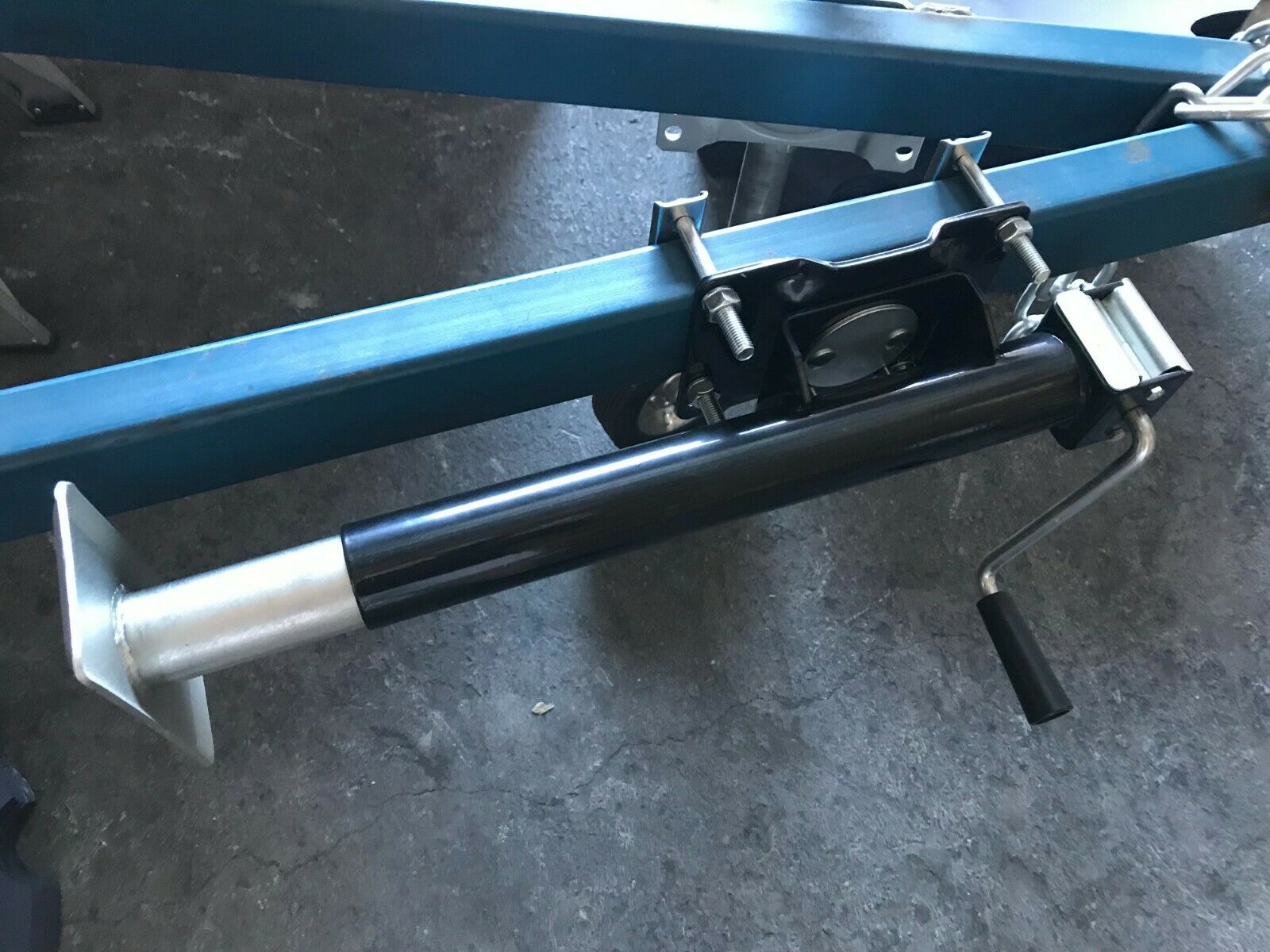
Look at the Base Design
The base connects the stand with the ground. Consequently, its design can influence stability. A wider base can distribute weight across a larger area. This feature can prove useful when you park on grass, gravel, or other surfaces that may not provide even support.
Jockey Stand designs use a broad plate at the bottom. This can help reduce the chance of the stand sinking into softer ground. However, you should still choose a suitable parking surface whenever possible. No stand can compensate for every unstable or unsuitable surface.
Check Corrosion Protection
Caravans often face changing weather conditions. Rain, humidity, road spray, and prolonged outdoor storage can expose metal components to moisture. For that reason, corrosion protection matters. Look for finishes such as galvanization or suitable protective coatings.
A corrosion-resistant surface can help protect the metal and extend the component’s useful life. Still, regular cleaning and inspection remain important.
Do Not Choose Based on Price Alone
Price can influence your decision, but it should not become the only deciding factor. An inexpensive model may appear attractive at first but may not provide the capacity, durability, or features you need.
Instead, compare several options within your budget. Look at the load rating, construction, adjustment range, base design, and user feedback. Consider the total value rather than the initial cost. Spending a little more on a suitable, durable component can prove more practical over time.
Use Caravan Jack Stands for Additional Support
A front support stand and caravan jack stands serve different purposes. The front stand supports the drawbar area, while additional jack stands can support other parts of the caravan during extended parking.
Using appropriate support equipment can help create a more stable setup. It can also reduce prolonged pressure on certain components. However, always follow the caravan and equipment manufacturer’s instructions. Use support equipment only within its rated capacity and intended purpose.
Simple Maintenance Tips
Regular maintenance can help your stand remain reliable. Start by cleaning away dirt, mud, and road debris after use. Next, inspect the moving parts. If the manufacturer recommends lubrication, apply the correct lubricant to keep those components operating smoothly. Also, check for rust, damaged threads, loose fittings, or signs of bending. Store the equipment in a dry location whenever possible. These simple habits can help you identify problems before they become more serious.
Check the Handle and Lock
The adjustment handle deserves more attention than you might expect. A smooth handle makes raising and lowering the caravan easier. Test the mechanism before purchasing if possible. The handle should turn without excessive resistance, while the locking system should hold the selected position securely. A loose or unreliable lock can create unnecessary risk. Therefore, make this feature part of your buying checklist.
Consider Storage Space
Storage can become a challenge in any caravan. Some support stands fold or retracts, while others maintain a larger fixed shape. If your storage space is limited, measure the available area before buying. Check both the operating dimensions and the folded or stored dimensions. A compact design can make packing easier. It can also leave more room for other essential travel equipment.
Final Thoughts
Choosing the right Jockey Stand involves more than finding the cheapest option. You should consider load capacity, construction material, height adjustment, wheel design, base stability, corrosion protection, and storage requirements.
Also, think about how you use your caravan. Frequent travelers may value easy handling and compact storage. Meanwhile, long-term caravan owners may prioritize durability and strong corrosion protection.
Take time to compare suitable models and check your caravan’s specifications before buying. When you choose equipment that matches your caravan’s requirements, you can make parking and everyday setup easier. A well-selected Stand can become a dependable part of your caravan equipment for many trips to come.