






Meditation has become a popular way to slow down, clear the mind, and create a greater sense of balance. However, many beginners hesitate to try it because they think meditation requires special skills. In reality, you do not need years of experience to begin. You only need a few quiet minutes and a willingness to practice. The meditation benefits can support both your
and emotional well-being. Regular practice may help you manage everyday stress, improve awareness, and develop a calmer approach to challenging situations. It may also support better sleep and help you deal with difficult emotions.
If you have never meditated before, start small. A simple routine can help you understand how meditation works and make it easier to stay consistent.
What Is Meditation?
Meditation refers to a range of practices that connect the mind and body. Many techniques ask you to focus your attention on something specific. You might concentrate on your breathing, a sound, a word, or a particular sensation.
Mindfulness meditation takes a slightly different approach. It encourages you to notice what happens in the present moment without immediately judging it. You may notice your thoughts, emotions, breathing, or sounds around you. Then, you gently bring your attention back whenever your mind wanders.
This process sounds simple, but it can feel challenging at first. Your mind may jump from one thought to another. That does not mean you are doing meditation incorrectly. Instead, noticing that your mind wandered and returning your attention is part of the practice.
Meditation Benefits for Beginners
Meditation can help beginners create a calmer and more balanced daily routine. The meditation may include less stress, better focus, improved sleep, and greater self-awareness. With just a few minutes each day, beginners can build a simple practice and enjoy its positive effects over time.
It May Help Reduce Everyday Stress
Stress can affect your thoughts, emotions, and physical well-being. When you experience stress, your body can enter a fight-or-flight state. Your heart rate and breathing may increase, while your muscles become tense.
Meditation can encourage a calmer state of mind. It gives you time to step away from daily pressure and focus on the present moment. Even a few minutes of quiet breathing can create a useful pause during a busy day.
Therefore, regular meditation may help you respond to stressful situations with greater awareness. Instead of reacting immediately, you may find it easier to take a breath and think before responding.
It Can Encourage Greater Self-Awareness
Another important meditation benefit involves self-awareness. Daily life often keeps us busy. We may react to situations without noticing what we feel or think.
Meditation gives you time to observe your inner experience. You can notice recurring thoughts, emotional reactions, and physical sensations. You do not have to change everything you notice. Instead, you learn to recognize these experiences with greater awareness.
As a result, you may become better at identifying what affects your mood, behavior, and concentration. This understanding can help you make more thoughtful choices throughout the day.
It May Support Better Sleep
A busy mind can make it difficult to relax at the end of the day. Thoughts about work, responsibilities, relationships, and tomorrow’s plans can keep your mind active when you want to rest.
Meditation can create a peaceful transition between daytime activities and bedtime. A short evening session may help you slow down and focus on the present instead of constantly thinking about the past or future.
For beginners, try sitting comfortably and focusing on slow, natural breathing. If thoughts appear, notice them without judgment. Then, gently return your attention to your breath.
However, meditation should not replace professional care if you have an ongoing or serious sleep problem.
It Can Help You Handle Difficult Emotions
Everyone experiences frustration, worry, sadness, and anger. Meditation does not make these emotions disappear. Instead, it can teach you to notice them before you react automatically.
For example, you might notice tension in your body when you feel angry. You might also recognize the thoughts that appear when you feel worried. With practice, this awareness can create a small space between an emotion and your response.
That space can help you choose a calmer reaction. Over time, you may become more comfortable acknowledging difficult feelings instead of immediately trying to push them away.
It Can Improve Your Ability to Stay Present
Modern life creates plenty of distractions. Phones, notifications, work, entertainment, and daily responsibilities can constantly pull your attention in different directions.
Meditation encourages you to return your attention to the present moment. Each time your mind wanders, you gently bring it back. This repeated process can strengthen your ability to notice where your attention goes to meditation benefits.
You may also start noticing ordinary moments more clearly. A morning cup of coffee, a short walk, or a conversation can become an opportunity to stay present and enjoy the moment.
It May Support Mental Well-Being
Meditation and mindfulness can become useful tools for supporting overall mental well-being. Regular practice may help you become more aware of your thoughts and emotional patterns.
It can also give you a healthy opportunity to pause during difficult days. Instead of constantly staying busy or distracting yourself, you can spend a few minutes checking in with yourself.
Nonetheless, meditation is not effective in the same manner for all individuals. It should not replace professional treatment for a mental health condition. If emotional difficulties continue or interfere with your daily life, consider speaking with a qualified health professional.
How Beginners Can Start Meditating
You do not need a complicated routine. Start with five minutes a day.
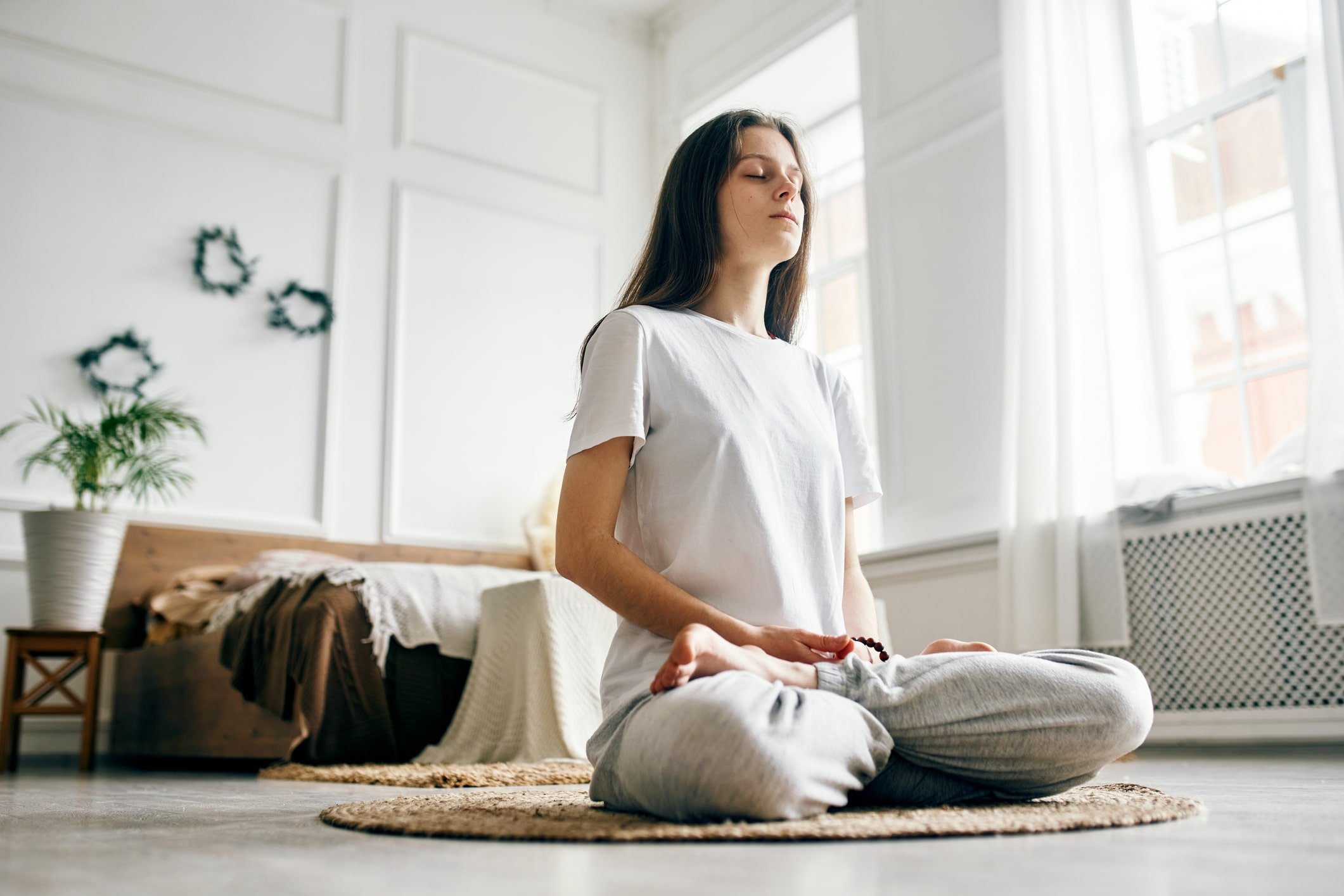
First, choose a comfortable and relatively quiet place. Sit in a chair, on a cushion, or wherever you can remain comfortable. Keep your back relaxed and let your hands rest naturally.
Next, close your eyes or soften your gaze. Take a few comfortable breaths. Then, notice how your breath feels as it moves in and out.
Your mind will probably wander. When that happens, do not criticize yourself. Simply notice the thought and return your attention to your breathing.
Finally, continue for five minutes. When the time ends, take one final comfortable breath and slowly return to your normal activities. As you become more comfortable, you can gradually increase your practice to 10 or 15 minutes.
Tips for Building a Consistent Meditation Habit
Consistency matters more than perfection. You do not need to meditate for an hour to build a meaningful practice.
Choose a time that fits naturally into your schedule. Morning meditation may help you begin the day with intention. Evening meditation may help you create a peaceful transition before bed.
Also, keep your expectations realistic. Your mind will not become completely empty. You will have distracted days, restless days, and days when meditation feels easy. All of these experiences are normal.
Most importantly, focus on returning to the practice instead of judging your performance. Missing a day does not mean you have failed. Simply begin again the next day.
You can also make meditation easier by connecting it with an existing habit. For example, meditate after brushing your teeth, before breakfast, or after finishing work. This approach can make the practice feel like a natural part of your daily routine.
Final Thoughts
The meditation benefits can make meditation an appealing practice for beginners who want to develop greater calm, awareness, and emotional balance. It may also help you manage everyday stress, improve your ability to stay present, and create a more peaceful routine.
You do not need special equipment or advanced knowledge to begin. Start with five quiet minutes. Focus on your breathing. When your attention wanders, gently bring it back.
With regular practice, those few minutes can become a simple daily habit. Meditation gives you time to pause, observe your thoughts, and reconnect with the present moment. Start slowly, stay patient with yourself, and allow your practice to develop naturally.