






In today’s fast-paced medical field, two roles often stand side by side in patient care: Patient Care Technicians (PCTs) and Medical Assistants (MAs). While their responsibilities may seem similar at first glance, these professions support healthcare systems in uniquely important ways. For students exploring career options or professionals seeking clarity, understanding the distinction between healthcare technician vs medical assistant roles can help guide informed decisions and set realistic expectations for day-to-day responsibilities, job settings, certifications, and growth opportunities.
Both Patient Care Technicians and Medical Assistants play vital roles in ensuring that patients receive timely, compassionate, and efficient healthcare services. They act as bridges between nurses, physicians, and patients—yet their training, job duties, and workplace functions reveal clear differences. Let’s break down each role in detail to determine how they compare, how they differ, and which path may be the right fit for you.
What Is a Patient Care Technician (PCT)?
A Patient Care Technician is a hands-on healthcare worker who provides direct bedside care to patients. PCTs often work in hospitals, rehabilitation centers, long-term care facilities, and dialysis clinics. Their role focuses heavily on assisting patients with essential daily living tasks and performing routine clinical duties that support nurses and other medical staff.
Core Responsibilities of a PCT:
- Assisting patients with bathing, dressing, and grooming
- Performing EKGs (electrocardiograms)
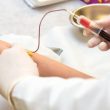
- Collecting blood samples through phlebotomy
- Helping patients move safely, including lifting or transferring
- Monitoring patient conditions and reporting changes to nurses
- Providing emotional support and companionship
- Assisting nurses with basic medical procedures
PCTs spend the majority of their time interacting directly with patients. Because of this, compassion, patience, physical stamina, and strong communication skills are essential for success.
What Is a Medical Assistant (MA)?
A Medical Assistant plays a dual role, performing both administrative and clinical tasks. MAs typically work in outpatient environments such as doctor’s offices, urgent care clinics, and specialty practices. Their job structure supports physicians in managing office operations and ensuring efficient patient flow.
Core Responsibilities of an MA:
- Scheduling appointments and managing patient records
- Checking patients in and preparing them for exams
- Performing basic clinical tasks like taking vitals
- Assisting physicians during examinations
- Administering injections or medications (varies by state)
- Collecting lab samples and preparing them for testing
- Handling insurance billing and coding
- Maintaining exam room cleanliness and supplies
Medical Assistants need strong organizational abilities, computer literacy, customer service skills, and a basic foundation in clinical procedures.
Education and Training Requirements
Training for Patient Care Technicians
PCT programs generally range from 3 months to one year and include:
- Nurse aide or CNA training
- Phlebotomy training
- EKG certification
- Hands-on clinical rotations
Many PCTs begin as Certified Nursing Assistants (CNAs) and then advance by learning additional clinical skills. Since they work closely with nurses, PCT programs emphasize medical procedures and patient support.
Training for Medical Assistants
Medical Assistant programs often take 9–12 months, and some students pursue a two-year associate degree. Training includes:
- Medical office administration
- Anatomy and physiology
- Clinical procedures
- Medical billing and coding
- Laboratory fundamentals
At the end of their program, MAs may earn certifications such as CMA (Certified Medical Assistant) or RMA (Registered Medical Assistant).
Certification and Licensing Requirements
PCT Certifications
While PCT roles may vary by state, common certifications include:
- Certified Patient Care Technician (CPCT-A)
- Certified Nurse Aide (CNA)
- Certified Phlebotomy Technician (CPT)
- EKG Technician Certification
Some states require licensure for tasks like blood draws or advanced monitoring.
MA Certifications
Although not always mandatory, certifications help MAs stand out and enhance job opportunities. These include:
- Certified Medical Assistant (CMA)
- Registered Medical Assistant (RMA)
- National Certified Medical Assistant (NCMA)
Certification often requires passing an exam and completing continuing education.
Work Environment Differences

Where PCTs Typically Work
Since PCTs assist patients with daily living and clinical needs, they are more often employed in:
- Hospitals
- Long-term care homes
- Rehabilitation centers
- Dialysis clinics
- Skilled nursing facilities
Their environments may involve fast-paced, physically demanding work with rotating shifts, weekends, and holiday hours.
Where MAs Typically Work
Medical Assistants usually work in outpatient, daytime settings such as:
- Primary care offices
- Specialist practices (cardiology, pediatrics, dermatology)
- Urgent care clinics
- Outpatient surgical centers
MAs typically enjoy more predictable schedules and less physically strenuous duties compared to PCTs.
Skills Needed for Each Role
Key Skills for Patient Care Technicians:
- Physical stamina
- Empathy and emotional resilience
- Patient safety and infection control
- Medical equipment handling
- Strong observation and reporting skills
- Ability to work under RN supervision
Key Skills for Medical Assistants:
- Administrative and clerical abilities
- Customer service and communication
- Basic medical procedures
- Organizational efficiency
- Insurance and billing knowledge
- Multi-tasking in a fast-paced office setting
Scope of Practice: How Much Can They Do?
This is one of the clearest distinctions.
Patient Care Technicians
Their scope is influenced by state guidelines, but generally includes:
- Direct patient care
- Phlebotomy
- EKGs
- Mobility assistance
- Basic wound care
- Monitoring patient progress
They support nurses more than physicians.
Medical Assistants
Their scope includes both administrative and clinical tasks:
- Administering injections (in approved states)
- Preparing exam rooms
- Performing lab tests
- Filing records and scheduling
- Patient intake and triage
They support physicians more than nurses.
Salary Differences in roles of Patient Care Technicians and Medical Assistants
While salaries vary by region, the differences generally reflect workplace environments and training.
- Patient Care Technicians earn an average of $17–$23 per hour depending on experience and clinical skills.
- Medical Assistants typically earn $18–$26 per hour, especially in specialized outpatient clinics.
Specializations, certifications, and location can significantly increase earning potential.
Career Advancement Opportunities for Patient Care Technicians and Medical Assistants
PCT Career Growth
Many PCTs use their experience as a stepping stone to roles like:
- Licensed Practical Nurse (LPN)
- Registered Nurse (RN)
- Dialysis Technician
- Surgical Technician
Because they work closely with nurses, the transition to advanced nursing roles is natural.
MA Career Growth
MAs can grow into:
- Office management
- Medical billing specialist
- Clinical supervisor
- Certified coder
- Registered Nurse (with additional education)
Their blended clinical and administrative experience opens multiple pathways in healthcare management.
Which Role Is Right for You?
Choosing between becoming a PCT or MA depends on your personal strengths, interests, and long-term career goals.
You may prefer becoming a PCT if you:
- Enjoy direct patient care
- Want to work in hospital or inpatient settings
- Don’t mind physically demanding tasks
- Prefer fast-paced, hands-on roles
- Want a starting point toward nursing
You may prefer becoming an MA if you:
- Enjoy mixing administrative and clinical tasks
- Prefer stable schedules
- Like outpatient or office environments
- Have strong organizational and communication skills
- Want to support physicians in exams and office procedures
Both roles offer rewarding experiences, competitive salaries, and opportunities for growth within the healthcare industry.
Final Thoughts
Patient Care Technicians and Medical Assistants are essential contributors to modern healthcare. While their duties may overlap in certain areas, their daily responsibilities, training paths, and practice environments differ significantly. PCTs lean toward bedside care and clinical support in hospitals, while MAs balance administrative duties and clinical tasks in outpatient settings.
Whether your passion lies in direct patient interaction or medical office operations, both roles offer meaningful opportunities to build a stable and fulfilling career. If you’re exploring your next step in the medical field or evaluating which path aligns with your strengths, these distinctions can guide you in the right direction. To begin your journey or search for available positions, take the next step and find healthcare jobs online.