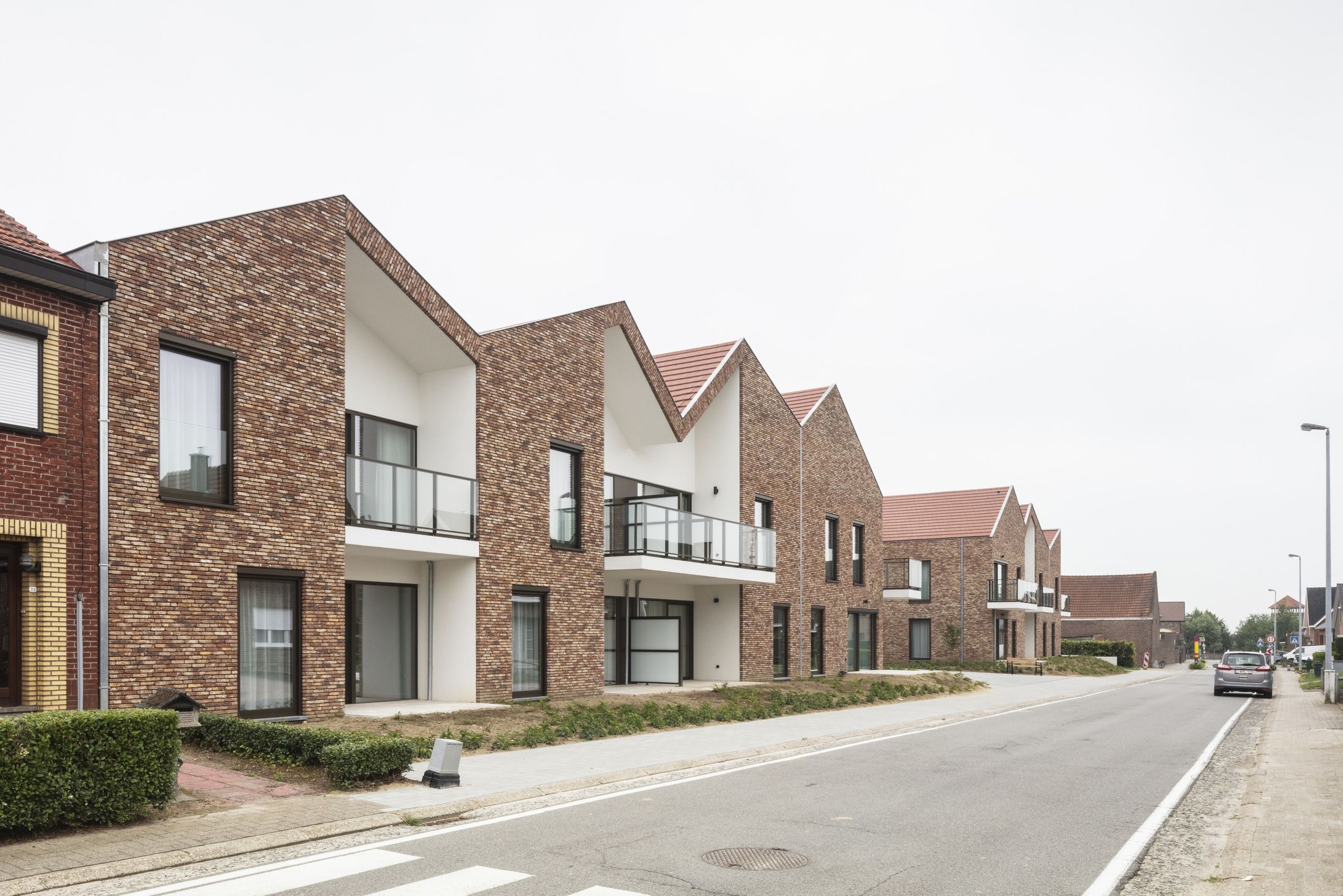






Modern industries transform rapidly to match changing human needs and economic demands. Housing markets require innovative approaches that maximize both efficiency and accessibility. Therefore, exploring the future of real estate matters deeply for modern investors.
Technological advancements redefine how people buy, sell, and manage residential properties. Digital tools and automated systems eliminate historic friction from property transactions. Consequently, the entire marketplace feels faster, safer, and infinitely more transparent.
Artificial Intelligence in Property Valuations
Traditional property valuations rely heavily on outdated comparable sales and manual guesswork. Artificial intelligence algorithms analyze thousands of data points within mere seconds.
Machine learning models assess neighborhood trends, crime rates, and school districts accurately. Therefore, real-time predictive analytics give buyers and sellers precise pricing insights. Intelligent valuation tools remove human bias from property appraisals completely. Hence, market transactions proceed with unprecedented financial accuracy.
Implementing Blockchain for Secure Transactions
Paper deeds and manual escrow processes cause frustrating delays during property closings. Blockchain technology introduces immutable digital ledgers for secure land title transfers. Smart contracts execute agreements automatically once financial conditions are met safely.
Therefore, buyers and sellers complete property ownership transfers without expensive intermediaries. Decentralized verification eliminates title fraud and protects sensitive financial data. Consequently, digital settlements revolutionize global estate exchanges forever.
Integrating Smart Building Automation Systems
Buyers expect modern properties to feature advanced automated technology upon purchase. Smart climate controls, security cameras, and automated lighting come standard today.
Property developers prioritize energy-efficient IoT infrastructure in every new construction project. Therefore, connected living spaces attract high-demand tenants and buyers instantly. Intelligent automation reduces long-term utility costs and environmental waste. Modern architecture meets digital innovation seamlessly inside every room.
Revolutionizing Property Tours With Virtual Reality
Physical property viewings often require extensive travel and scheduling coordination. Virtual reality headsets let buyers tour residential listings from anywhere globally. 3D digital twins map every square foot of a house with stunning precision. Therefore, out-of-state buyers explore floor plans and finish without leaving home. Immersive digital tours save valuable time for busy estate agents. Virtual staging showcases empty rooms with beautiful furniture options instantly.
The Rise of Fractional Real Estate Investing
High property prices historically locked average earners out of the housing market. Fractional investing platforms allow individuals to buy small digital property shares. Blockchain-backed tokens represent fractional ownership in commercial and residential buildings.
Therefore, everyday investors build diversified property portfolios with minimal capital. Crowdfunding models democratize wealth generation across global markets. Consequently, modern financial technology expands access to estate investment opportunities.
Sustainable Architecture and Green Construction
Climate change concerns drive massive shifts toward eco-friendly property development. Architects design zero-emission buildings using recycled steel and mass timber. Solar panels and rainwater harvesting systems become standard residential features.
Therefore, sustainable properties command higher market values and lower maintenance costs. Green construction protects natural resources while reducing atmospheric carbon emissions. Ecological responsibility guides the future of modern urban development.
Big Data and Predictive Urban Planning
City planners use massive data sets to forecast metropolitan growth patterns accurately. Algorithms determine optimal locations for new housing developments, parks, and transit hubs. Predictive analytics prevent suburban sprawl by maximizing existing urban density. Therefore, smart cities support sustainable population growth without straining local infrastructure. Data-driven urban design creates vibrant, walkable neighborhoods for future generations.
Automated Property Management Solutions
Landlords face constant administrative burdens when managing rental property portfolios. Automated software handles rent collection, lease renewals, and maintenance requests effortlessly. Tenant screening algorithms evaluate credit histories and rental backgrounds securely.
Therefore, property managers minimize vacancy rates and operational overhead costs. Smart sensors alert maintenance teams immediately regarding plumbing leaks or electrical faults. Consequently, digital automation transforms passive rental income into a streamlined business.
Navigating Remote Work and Suburban Shifts
Remote career flexibility changes residential migration patterns across the country. Buyers abandon crowded city centers in search of spacious suburban homes. Home offices and high-speed fiber internet become non-negotiable property requirements.
Therefore, suburban real estate markets experience sustained buyer demand and price growth. Regional towns adapt quickly by upgrading local digital infrastructure. Lifestyle priorities permanently reshape residential housing preferences.

The Impact of 3D Printed Housing
Traditional construction methods require significant manual labor and raw material waste. 3D printing technology constructs concrete walls for single-family homes in days. Automated robotic nozzles deposit building materials with absolute structural precision. Therefore, construction costs drop significantly while building speeds increase exponentially. 3D printing offers viable solutions for affordable housing shortages globally. Architectural innovation redefines structural engineering standards.
Decentralized Protech Startups
Financial technology startups disrupt traditional brokerage models with lower commission fees. Peer-to-peer lending platforms connect borrowers directly with private capital lenders.
Automated closing applications guide users through legal paperwork step by step. Therefore, consumers enjoy transparent, low-cost property transactions without traditional gatekeepers. Competition drives industry-wide innovation and better customer service standards.
Adapting to Changing Demographics
Aging baby boomers and younger generations demand different residential housing options. Multi-generational homes accommodate extended families under single roofs comfortably.
Compact urban micro-apartments appeal to minimalist millennial renters in city cores. Therefore, developers diversify floor plans to match shifting societal structures. Flexible architecture accommodates changing family needs over decades.
Enhancing Cybersecurity in Housing Markets
Digital property transactions create attractive targets for sophisticated cyber criminals. Brokerage firms and title companies invest heavily in encrypted communication networks. Multi-factor authentication protects sensitive banking details during large wire transfers. Therefore, robust cybersecurity protocols safeguard client funds and confidential documents. Digital safety forms the absolute foundation of modern property commerce.
The Future of Commercial Office Spaces
Remote work adoption forces commercial landlords to rethink office building designs. Traditional cubicle floors give way to flexible, collaborative co-working hubs.
Buildings feature wellness amenities, podcast studios, and advanced air filtration systems. Therefore, commercial properties must offer unique community experiences to attract corporate tenants. Adaptive reuse projects convert empty office towers into residential apartments.
Embracing Big Data in Market Forecasting
Estate agents leverage predictive data models to advise clients accurately. Algorithms analyze historical appreciation rates, interest rate fluctuations, and migration trends.
Therefore, investors identify high-growth neighborhoods before prices surge publicly. Data-driven insights replace emotional speculation with calculated financial strategy. Market transparency empowers everyday consumers to make informed choices.
Overcoming Industry Technophobia
Older estate professionals sometimes resist adopting new software and digital tools. Continuous education programs help agents master proptech applications and virtual platforms. Embracing digital workflows improves daily operational efficiency and client satisfaction. Therefore, forward-thinking professionals thrive in a competitive, tech-driven marketplace. Adaptability remains the ultimate key to career longevity.
Reviewing Protech Ecosystems Annually
Technology evolves rapidly across the global property technology sector. Assess your digital tools and software subscriptions annually to ensure peak performance. Remove outdated programs and integrate new automation tools as they emerge. Therefore, your business operations stay optimized, secure, and highly competitive. Continuous technological updates keep your enterprise running smoothly.
The Horizon of Intelligent Living
Metropolitan innovation moves faster than at any point in human history. Autonomous delivery drones and robotic couriers will service residential neighborhoods daily by Real estate.
Energy grids will communicate seamlessly with smart home appliances to cut costs. Therefore, future communities will experience unprecedented levels of comfort and automation. Embrace innovation with an open, curious mind.
Final Reflections
Property markets reflect changing human values, economic shifts, and technological triumphs. Innovative tools offer unmatched transparency, security, and efficiency across the industry. Balance digital connectivity with mindful, human-centric property choices daily. Enjoy the profound freedom and financial growth that modern developments bring to your investments.