






The global transition toward renewable energy is accelerating at an unprecedented pace. Solar farms, wind turbines, and hybrid energy systems are rapidly becoming the backbone of modern power infrastructure. However, integrating these clean energy sources into existing grids is not as simple as plugging them in. It requires careful planning, technical expertise, and, most importantly, comprehensive electrical power system studies.
At Keentel Engineering, we understand that the success of any green energy project depends on how well it interacts with the broader electrical network. From feasibility to operation, analysis power system techniques play a vital role in ensuring stability, efficiency, and long-term reliability.
Understanding Electrical Power System Studies
Electrical power system studies are detailed technical evaluations used to analyze how electrical systems perform under different operating conditions. These studies simulate real-world scenarios, helping engineers predict system behavior, identify risks, and optimize performance before implementation.
For renewable energy projects, power systems studies become even more critical due to the variable nature of energy sources like solar and wind. Unlike traditional power plants, renewable generation fluctuates based on weather conditions, which introduces complexity into grid operations. Through advanced simulations and modeling, engineers can design systems that adapt to these variations while maintaining stability.
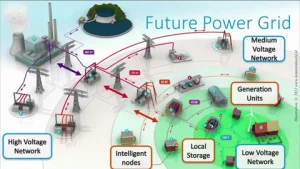
Why Green Energy Projects Need System Analysis
Renewable energy integration brings unique challenges that require in-depth analysis power system approaches. Voltage fluctuations, frequency instability, and power quality issues are common concerns when connecting renewable sources to the grid.
Electrical power system studies help address these challenges by providing insights into system behavior during different load and generation conditions. They ensure that the grid can handle sudden changes in power output without causing disruptions. This not only protects infrastructure but also guarantees a consistent power supply to end users.
Additionally, regulatory compliance often requires detailed power systems studies before project approval. Utilities and grid operators need assurance that new renewable installations will not compromise system reliability.
Key Types of Power Systems Studies
A successful renewable energy project relies on a combination of different electrical power system studies. Each study serves a specific purpose and contributes to the overall system design and performance.
Load flow studies evaluate how power moves through the network under normal operating conditions. They help determine voltage levels, power losses, and equipment loading, ensuring the system operates efficiently.
Short circuit studies analyze fault conditions, allowing engineers to design protection systems that can quickly isolate issues and prevent damage. This is particularly important in renewable setups where fault currents can vary significantly.
Dynamic and transient stability studies assess how the system responds to disturbances such as sudden load changes or generator outages. These studies are essential for maintaining grid stability in systems with high renewable penetration.
Harmonic analysis identifies distortions caused by power electronics used in renewable systems. By addressing these issues early, engineers can improve power quality and prevent equipment malfunction.
Enhancing Grid Reliability and Efficiency
One of the main goals of electrical power system studies is to enhance the reliability and efficiency of the grid. Renewable energy sources, while sustainable, introduce variability that must be carefully managed.
Through detailed analysis power system techniques, engineers can design control strategies that balance supply and demand in real time. This includes integrating energy storage systems, optimizing dispatch strategies, and improving grid flexibility.
Power systems studies also help reduce energy losses by identifying inefficiencies in the network. Optimized system design leads to better utilization of resources, lower operational costs, and improved overall performance.
Supporting Sustainable and Scalable Growth
As renewable energy adoption continues to grow, scalability becomes a key concern. Electrical power system studies provide the foundation for future expansion by ensuring that current systems can accommodate additional capacity.
By conducting thorough power systems studies during the planning phase, developers can avoid costly upgrades and redesigns later. This proactive approach supports long-term sustainability and enables seamless integration of new technologies.
Moreover, these studies help align projects with global sustainability goals by maximizing energy output while minimizing environmental impact. Efficient system design not only reduces carbon emissions but also enhances the economic viability of renewable energy investments.
Why Choose Keentel Engineering
At Keentel Engineering, we bring a combination of technical expertise and industry experience to deliver high-quality electrical power system studies tailored to renewable energy projects. Our team uses advanced tools and methodologies to perform accurate analysis power system evaluations, ensuring every project meets the highest standards of safety and performance.
We work closely with clients at every stage, from initial concept to final commissioning, providing insights that drive smarter decisions. Our commitment to innovation and excellence makes us a trusted partner for sustainable energy solutions.
Conclusion
Electrical power system studies are the backbone of successful green energy projects. They ensure that renewable energy systems are not only efficient but also reliable and resilient. As the world moves toward a cleaner energy future, the importance of accurate analysis power system methods and comprehensive power systems studies cannot be overstated.
By investing in detailed system analysis, developers and utilities can unlock the full potential of renewable energy while maintaining grid stability and performance. With the right expertise and approach, green energy success is not just achievable—it is sustainable for generations to come.