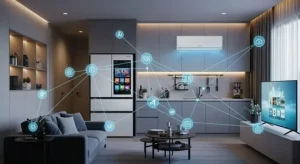
Smart home technology has changed the way people manage everyday activities around the house. Connected devices can help control lighting, temperature, security, entertainment, and household appliances with less manual effort. Instead of adding technology simply because it looks modern, homeowners can choose practical solutions that make daily routines easier and more comfortable.
Creating a smart home also does not require replacing everything at once. You can begin with a few useful devices and gradually expand your setup according to your needs and budget. The best smart home technology ideas solve everyday problems while remaining simple enough for everyone in the household to use.
Start With Smart Lighting
Control Lights More Conveniently
Smart lighting is one of the easiest ways to introduce connected technology into your home. Smart bulbs, switches, and lighting systems can allow you to adjust brightness, create schedules, and manage lights without walking from room to room. Some systems also support different lighting settings for working, relaxing, reading, or entertaining guests.
Automated schedules can make lighting more convenient throughout the day. For example, you can arrange certain lights to turn on in the evening and switch off at bedtime. Thoughtful lighting automation can improve comfort while helping you avoid leaving unnecessary lights running.
Install a Smart Thermostat
Manage Indoor Comfort More Efficiently
A smart thermostat can make temperature management easier by allowing you to adjust heating and cooling according to your schedule. Instead of maintaining the same temperature throughout the day, you can create settings that match when people are usually home, sleeping, or away.
Many modern systems also provide information about temperature patterns and energy use. Reviewing this information can help you understand how your household uses heating and cooling. As a result, you can make more informed adjustments while maintaining a comfortable indoor environment.
Improve Your Home Security
Add Connected Security Devices
Smart security technology can provide homeowners with more convenient ways to monitor their property. Video doorbells, security cameras, motion sensors, smart locks, and connected alarms can help you keep track of entrances and important areas around the home.
Depending on the system, you may receive alerts when someone approaches the door or when a sensor detects activity. Remote access can also help you check certain devices while away from home. However, you should protect connected security products with strong passwords and regularly install available software updates.
Use Smart Locks for Easier Access
Manage Doors Without Traditional Keys
Smart locks can provide additional flexibility for households that frequently deal with lost keys or temporary visitors. Some models support access through mobile apps, codes, or other digital methods. This makes it easier to manage entry without creating several physical copies of the same key.
Temporary access can also be useful when trusted relatives, guests, or service providers need to enter the property. You can manage access according to the features available with your chosen system. Before installation, check compatibility with your existing door and make sure every household member understands how to use the backup entry method.
Create a Smart Kitchen
Make Everyday Kitchen Tasks Easier
The kitchen provides plenty of opportunities for useful smart technology. Connected ovens, refrigerators, coffee makers, plugs, and other appliances can offer features such as timers, notifications, remote controls, and customized settings. The most valuable devices are usually those that support tasks you already perform regularly.
You do not need to replace every kitchen appliance to make the room smarter. A smart plug, speaker, or connected display may provide enough functionality for many households. Starting with simple technology can help you understand which features actually improve your cooking and kitchen routines.
Add Smart Speakers and Displays
Create a Central Control Point
Smart speakers and displays can act as convenient control points for compatible devices throughout your home. Depending on your setup, you may use voice or touchscreen controls to adjust lights, check connected cameras, manage entertainment, set reminders, or control other household technology.
Before choosing a smart speaker or display, consider which ecosystem your existing devices support. Buying compatible products can make setup and everyday control much easier. Keeping your system organized also prevents you from needing several different apps for simple household tasks.
Automate Window Coverings
Control Natural Light and Privacy
Smart blinds and curtains can automatically open or close according to schedules or household preferences. For example, bedroom blinds can open gradually in the morning, while living-room shades can close in the evening for greater privacy.
Automated window coverings can also help manage sunlight during warmer parts of the day. However, motorized systems can cost more than traditional blinds, so they may make the most sense in frequently used rooms. Starting with one or two important areas can help you decide whether broader installation is worthwhile.
Upgrade Your Entertainment Setup
Connect Music, Television, and Streaming
Smart home technology can create a more convenient entertainment experience. Connected televisions, speakers, streaming devices, and multi-room audio systems allow households to manage content across different spaces. A well-planned setup can reduce unnecessary equipment while making entertainment easier to access.
Multi-room audio can be especially useful when you want music to continue as you move around the house. You can also create different entertainment zones for different family members. Choosing products that work together makes these systems easier to manage.
Consider Smart Cleaning Devices
Automate Repetitive Household Tasks
Cleaning technology can reduce the amount of time spent on repetitive household chores. Robot vacuums can follow scheduled routines, while some models can also handle basic floor mopping. These devices can be particularly helpful in homes where dust, pet hair, or everyday debris requires frequent attention.
Smart cleaning devices still require maintenance and cannot replace every type of manual cleaning. However, they can help maintain floors between deeper cleaning sessions. Before buying one, consider your floor types, furniture layout, room transitions, and the level of maintenance the device requires.
Monitor Energy Consumption
Understand How Your Home Uses Power
Smart plugs, connected outlets, and energy-monitoring devices can provide greater visibility into household electricity use. Understanding which appliances consume more energy can help you identify unnecessary usage and develop better habits.
Automation can also help control devices that do not need to operate continuously. For example, schedules can switch certain equipment off when nobody uses it. Rather than assuming every smart device will automatically reduce costs, focus on technologies that provide useful information and practical control.
Improve Safety With Smart Sensors
Detect Household Problems Earlier
Connected sensors can monitor more than movement around your home. Smart smoke alarms, carbon monoxide detectors, water sensors, and temperature monitors can provide alerts when they detect certain problems. Early notifications may give homeowners more time to investigate an issue and take appropriate action.
Water sensors can be particularly useful near washing machines, sinks, water heaters, and other areas where leaks may occur. Choose devices from reputable manufacturers and follow installation and maintenance instructions carefully. Smart features should support, rather than replace, appropriate home safety practices.
Create Useful Home Automations
Connect Several Devices Into Simple Routines
The real value of a smart home often appears when different devices work together. Instead of controlling each product individually, you can create routines that perform several actions based on a schedule or command. A bedtime routine, for example, might adjust compatible lights, temperature settings, and other connected devices.
Keep automations practical rather than making every household action unnecessarily complicated. Start with repetitive tasks that you perform every day and look for simple ways to reduce manual steps. Reliable routines are usually more valuable than complicated automations that require frequent troubleshooting.
Protect Your Smart Home Network
Make Digital Security a Priority
Every connected device introduces another point that requires basic digital security. Use strong and unique passwords, enable additional account protection when available, and keep device software updated. You should also review privacy settings instead of automatically accepting every default option.
Buy connected products from manufacturers that provide clear security and software support information. Additionally, remove old devices from accounts when you stop using them. A convenient smart home should also give proper attention to privacy and cybersecurity.
Build Your Smart Home Gradually
Focus on Technology You Will Actually Use
It can be tempting to purchase several smart devices at once, but a gradual approach usually works better. Start with areas where technology can solve a real problem, such as lighting, security, temperature control, or cleaning. Once you understand how those devices fit into your routine, you can decide what to add next.
Compatibility should also influence your purchasing decisions. Choosing devices that work within the same ecosystem can simplify controls and reduce frustration. A smaller collection of useful, compatible products is often better than a house filled with disconnected technology.
Final Thoughts on Smart Home Technology
Smart home technology can make everyday living more convenient, organized, and responsive to your needs. Smart lighting, thermostats, security devices, cleaning tools, sensors, entertainment systems, and practical automations can all improve different parts of the home. However, the most effective setup depends on your lifestyle rather than the number of connected devices you own.
Start with technology that provides a clear benefit and expand your system gradually. Pay attention to compatibility, privacy, security, and ease of use when selecting new products. With thoughtful planning, you can create a smarter home that supports everyday routines without making simple tasks unnecessarily complicated.