






A thermocol sheet is one of the most widely used materials across various industries due to its lightweight structure, excellent insulation properties, durability, and affordability. Manufactured from expanded polystyrene (EPS), thermocol sheets have become an essential component in construction, packaging, cold storage, interior decoration, and creative applications. Their unique cellular structure allows them to resist heat transfer, absorb shocks, and provide reliable thermal insulation, making them a practical solution for both residential and commercial projects.
As industries increasingly focus on energy efficiency, product safety, and cost-effective building materials, the demand for thermocol sheets continues to grow. Whether you need insulation for a home or commercial building, protective packaging for fragile goods, or a lightweight material for artistic and educational projects, thermocol sheets deliver dependable performance while remaining economical. Their ease of handling and versatility have made them a preferred choice across numerous sectors worldwide.
What Is a Thermocol Sheet?
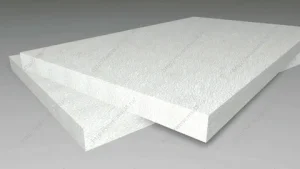
A thermocol sheet is a rigid foam board produced from expanded polystyrene (EPS) beads. During manufacturing, small polystyrene beads are heated with steam, causing them to expand significantly. These expanded beads are then molded together under controlled conditions to form lightweight yet strong sheets of different thicknesses, sizes, and densities.
The closed-cell structure of thermocol gives it several beneficial properties, including low moisture absorption, high thermal insulation, excellent cushioning ability, and long-lasting dimensional stability. These qualities allow thermocol sheets to perform efficiently in demanding environments without losing their structural integrity. Because they are available in a wide range of specifications, they can be customized to suit different industrial, commercial, and residential requirements.
Key Features of Thermocol Sheet
Thermocol sheets possess several unique characteristics that make them suitable for a broad range of applications.
Lightweight Structure
One of the most notable advantages of a thermocol sheet is its extremely low weight. Despite being lightweight, it provides sufficient rigidity for many practical applications. The low weight makes transportation, storage, and installation much easier compared to heavier materials. Construction workers, manufacturers, and designers appreciate the convenience of handling thermocol sheets without requiring heavy machinery or specialized equipment.
Excellent Thermal Insulation
Thermocol sheets are widely recognized for their superior thermal insulation properties. The millions of tiny air pockets trapped within the material significantly reduce heat transfer. This makes thermocol an ideal insulation material for roofs, walls, floors, cold storage facilities, refrigerators, and air-conditioned spaces. Buildings insulated with thermocol sheets often experience improved indoor comfort while consuming less energy for heating or cooling.
Moisture Resistance
Unlike many traditional insulation materials, thermocol absorbs very little moisture due to its closed-cell composition. This moisture resistance helps preserve its insulation performance even in humid conditions. It also minimizes the risk of mold growth, making thermocol suitable for environments where moisture control is important.
Shock Absorption
The cellular structure of thermocol provides exceptional cushioning against impact. During transportation, delicate products such as electronics, glassware, laboratory equipment, medical devices, and household appliances require protection from vibrations and accidental impacts. Thermocol sheets effectively absorb shocks and reduce the likelihood of product damage during shipping and handling.
Easy to Cut and Shape
Thermocol sheets can be easily cut, carved, molded, or shaped into different sizes without compromising their structural stability. This flexibility makes them highly useful for architectural models, exhibition displays, stage decorations, educational projects, signage, and creative artwork. Even complex shapes can be produced quickly using basic cutting tools.
Durable and Long-Lasting
When properly installed and protected from excessive physical damage and prolonged exposure to direct sunlight, thermocol sheets maintain their shape and insulation properties for many years. Their durability contributes to lower maintenance costs and longer service life in construction and industrial applications.
Common Uses of Thermocol Sheet
The versatility of thermocol sheets allows them to be used across numerous industries and applications.
Building Insulation
One of the largest applications of thermocol sheets is in the construction industry. Builders use them for roof insulation, wall insulation, and floor insulation to reduce heat transfer. By maintaining stable indoor temperatures, thermocol helps improve occupant comfort while lowering electricity consumption associated with heating and cooling systems.
Protective Packaging
Manufacturers and logistics companies extensively use thermocol sheets for packaging fragile products. Electronic devices, televisions, refrigerators, computers, laboratory instruments, glass products, and ceramic items are often packed with thermocol inserts that provide excellent protection against shocks during transportation.
Cold Storage and Refrigeration
Cold storage warehouses, refrigerated trucks, ice boxes, and vaccine transportation containers rely on thermocol sheets for thermal insulation. Their ability to minimize temperature fluctuations helps preserve food products, pharmaceuticals, and other temperature-sensitive goods.
Interior Decoration
Interior designers frequently use thermocol sheets to create decorative ceiling panels, false ceilings, exhibition booths, display structures, event decorations, and stage backgrounds. Their lightweight nature allows creative designs without placing excessive load on supporting structures.
Arts, Crafts, and Educational Projects
Students, teachers, architects, and hobbyists commonly use thermocol sheets for science models, school projects, architectural prototypes, event decorations, signage, and artistic creations. The material can be painted, carved, glued, and assembled easily, making it suitable for countless creative applications.
Industrial Applications
Various manufacturing industries utilize thermocol sheets for insulation panels, machinery protection, product storage, and specialized packaging solutions. Their adaptability makes them valuable in both small-scale and large-scale industrial operations.
Benefits of Using Thermocol Sheet
Choosing thermocol sheet provides several practical and economic advantages.
Energy Efficiency
Thermocol acts as an effective thermal barrier that reduces heat transfer through walls and roofs. This lowers the workload on air conditioners and heating systems, resulting in reduced electricity bills and improved energy efficiency.
Cost-Effective Solution
Compared to many alternative insulation and packaging materials, thermocol sheets offer excellent performance at an affordable price. Their low manufacturing cost and long service life make them an economical investment for residential, commercial, and industrial projects.
Easy Installation
The lightweight design allows workers to install thermocol sheets quickly and efficiently. Less labor is required during transportation and installation, helping reduce overall project costs and completion time.
Versatile Applications
Few materials offer the same level of versatility as thermocol. A single thermocol sheet can be used for insulation, packaging, decoration, construction, modeling, and industrial purposes. This flexibility makes it a highly valuable material across different sectors.
Reduced Transportation Costs
Because thermocol weighs very little, shipping large quantities is more economical than transporting heavier insulation or packaging materials. Lower transportation costs contribute to overall savings for manufacturers and distributors.
Reliable Performance
Thermocol maintains consistent insulation performance throughout its service life. Its resistance to moisture and dimensional stability ensure dependable functionality even under changing environmental conditions.
How to Choose the Right Thermocol Sheet
Selecting the appropriate thermocol sheet depends on the intended application and performance requirements.
Thickness
Thicker thermocol sheets generally provide better insulation and increased strength. Construction projects often require thicker sheets, while packaging applications may only need thinner options.
Density
Density determines the sheet’s strength, durability, and load-bearing capacity. Higher-density thermocol sheets are more suitable for heavy-duty construction and industrial applications, whereas lower-density sheets work well for lightweight packaging and craft projects.
Size
Thermocol sheets are available in multiple dimensions. Choosing the appropriate sheet size helps reduce material waste, simplifies installation, and improves project efficiency.
Quality
Always purchase thermocol sheets from trusted manufacturers or suppliers that follow recognized production standards. High-quality thermocol offers better insulation performance, greater durability, and more consistent structural properties.
Application Requirements
Before selecting a thermocol sheet, consider factors such as expected load, insulation needs, environmental conditions, and installation location. Matching the product specifications to the intended use ensures optimal performance.
Maintenance and Handling Tips
Although thermocol sheets require minimal maintenance, proper handling extends their lifespan and maintains their effectiveness.
- Store thermocol sheets in a clean, dry location away from direct sunlight.
- Avoid exposing the material to open flames or excessive heat, as polystyrene is combustible.
- Handle sheets carefully during transportation to minimize unnecessary breakage.
- Clean installation surfaces before applying adhesives or mounting systems.
- Use adhesives specifically designed for expanded polystyrene materials.
- Prevent prolonged exposure to harsh chemicals or solvents that may damage the material.
- Cover exposed insulation with protective finishing materials when used in construction.
Following these simple maintenance practices helps preserve both the structural integrity and insulation performance of thermocol sheets.
Why Thermocol Sheet Is a Smart Investment
Whether you are constructing a new building, upgrading insulation in an existing property, protecting expensive products during transportation, or designing decorative displays, thermocol sheets offer an efficient and affordable solution. Their combination of lightweight construction, thermal insulation, moisture resistance, shock absorption, and versatility makes them suitable for countless residential, commercial, and industrial applications.
As sustainability and energy conservation become increasingly important, effective insulation materials like thermocol contribute to reduced energy consumption and improved building efficiency. Businesses also benefit from lower packaging costs while ensuring product safety during shipping and storage.
In addition, thermocol’s ease of fabrication enables designers, architects, educators, and artists to transform simple sheets into intricate structures, models, and decorative installations. This adaptability further enhances its value across diverse industries.
Conclusion
A thermocol sheet is a practical, reliable, and cost-effective material that continues to serve an essential role in construction, packaging, refrigeration, interior decoration, education, and industrial applications. Its excellent thermal insulation, lightweight structure, moisture resistance, shock-absorbing capabilities, and ease of handling make it one of the most versatile materials available today.
Whether your objective is to improve a building’s energy efficiency, safeguard fragile products during transportation, create innovative decorative elements, or complete educational and creative projects, thermocol sheets provide dependable performance at an affordable cost. By selecting the appropriate thickness, density, size, and quality from a reputable supplier, you can maximize the long-term benefits of this highly adaptable material. As industries continue to seek economical, efficient, and high-performance solutions, thermocol sheets remain a trusted choice for meeting a wide variety of insulation, packaging, and construction needs.


