






Exploring the world brings incredible joy and unforgettable life experiences. However, unexpected situations can happen anywhere on earth. Therefore, prioritizing travel safety protects you from unnecessary trouble and stress. You do not need to feel paranoid while visiting a new country. Instead, you just need smart preparation and situational awareness.
Smart travelers always plan ahead before they board a plane. They research local laws, emergency numbers, and safe neighborhoods. Let us explore how you can safeguard your next trip using practical security habits.
Researching Destinations Before You Depart
Preparation starts long before you pack your bags. First, you must study the safety conditions of your chosen destination. Check official government travel advisories for any active warnings. Furthermore, read online forums to learn about common scams targeting tourists. Knowing local customs and laws keeps you out of legal trouble. Some countries enforce strict rules that surprise foreign visitors.
- Check government alerts: They provide real-time updates on regional risks.
- Read local forums: Hear honest warnings from seasoned travelers.
- Understand cultural laws: Respecting local traditions prevents social friction.
Transitioning from casual daydreaming to thorough research builds a strong security foundation. You walk into your adventure with your eyes wide open. Consequently, you recognize potential threats long before they reach you.
Safeguarding Your Money and Valocables
Financial security matters immensely when you travel abroad. Carrying thick stacks of physical cash makes you an easy target for pickpockets. Fortunately, modern banking tools offer much safer alternatives. Split your money across different accounts and cards. Keep your primary credit cards locked safely in your hotel room safe. Carry only a small amount of daily spending cash in an accessible pocket.
- Use RFID-blocking wallets: They stop digital thieves from scanning your cards.
- Notify your bank: Prevent security systems from freezing your accounts overseas.
- Avoid flashy jewelry: Leave expensive watches and designer bags at home.
Additionally, travel safety relies heavily on keeping a low profile. Blend in with the local crowd instead of looking like a lost tourist. Thieves look for distracted people who flash expensive belongings.
Navigating Cities and Public Transport Safely
Getting around a bustling foreign metropolis tests your navigation skills. Public buses, subways, and taxis offer convenient travel options. However, crowded transit hubs attract petty thieves and scam artists. Keep your backpack zipped shut and worn on your front side in crowded trains. Never accept unsolicited help from strangers offering to carry your bags. This common diversion trick often leads to stolen luggage.
- Use official taxi apps: Avoid hailing unmarked cars off random street corners.
- Stay alert: Keep your eyes off your smartphone while walking in busy areas.
- Plan routes beforehand: Know your destination so you do not look lost.
Transitioning through cities with confidence deters bad actors. Criminals prefer easy targets who look confused or overwhelmed. Staying alert keeps your journey smooth and entirely trouble-free.
Protecting Your Digital Data and Documents
Physical safety matters, but digital security is equally crucial today. Losing your passport in a foreign country creates a logistical nightmare. Therefore, you must scan all your important travel documents immediately. Save digital copies in secure cloud storage folders. Furthermore, protect your smartphone and laptop with strong PIN codes. Avoid logging into sensitive bank accounts on public Wi-Fi networks without a virtual private network.
- Back up documents: Keep digital copies in your personal email inbox.
- Use a secure VPN: Encrypt your internet traffic on public networks.
- Set up device tracking: Enable remote wiping features on your phone.
Moreover, travel safety extends into your online footprint. Do not post real-time updates about your empty hotel room on public social media feeds. Wait until you return home to share your photo galleries.
Choosing Secure Accommodation Options
Where you sleep dictates your overall peace of mind. Standard hotels usually feature 24-hour front desks and secure keycard entry systems. However, rental apartments and hostels offer unique social experiences. Always verify property reviews carefully before you book any room. Check if the front door features a sturdy deadbolt and a peephole. Never open your hotel door for unexpected visitors without confirming their identity.
- Lock balcony doors: Ground-floor rooms require extra security checks.
- Use room safes: Store your passports, spare cash, and electronics securely.
- Know emergency exits: Locate the nearest stairwell upon checking in.
Transitioning to secure lodging gives you a reliable sanctuary at the end of a long day. You rest much better knowing your personal space is safe. Good sleep keeps your mind sharp for the next day’s adventures.
Maintaining Health and Wellness on the Road
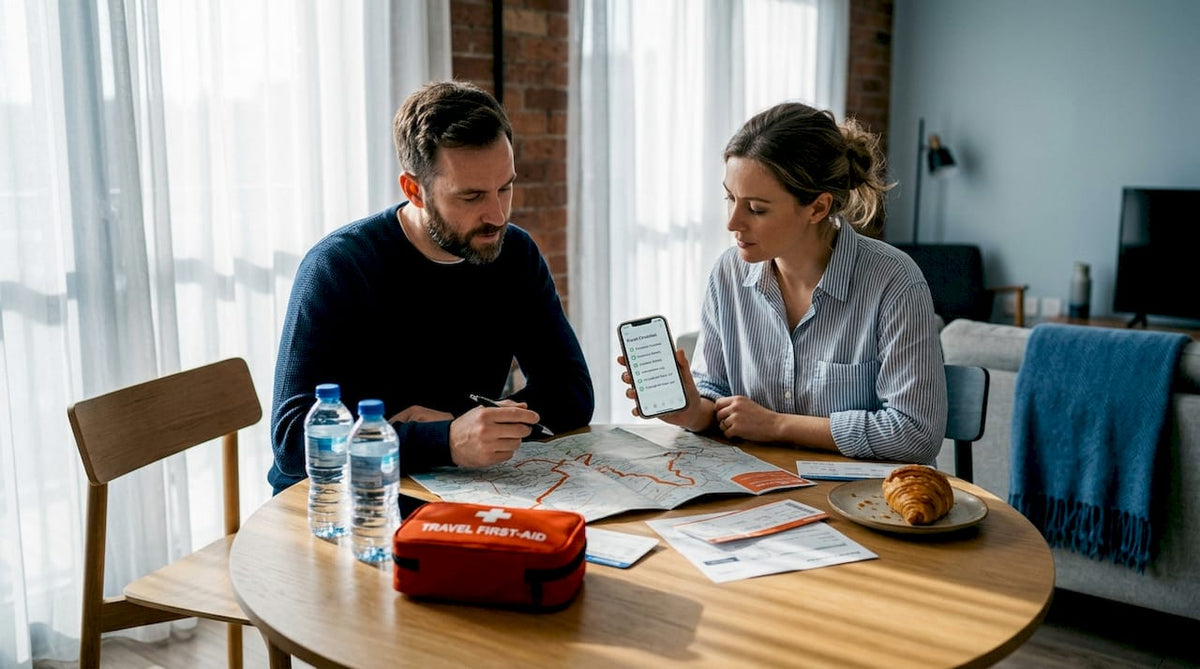
Physical health forms the core of any successful vacation. Falling ill in an unfamiliar country ruins your entire schedule. Start by packing a basic first-aid kit containing painkillers, band-aids, and prescription medicines. Drink only bottled or filtered water if local tap water is unsafe. Be cautious when eating raw street food from unverified vendor stalls.
- Check vaccine requirements: Get necessary shots weeks before departure.
- Buy medical insurance: Ensure your policy covers emergency hospital visits.
- Stay hydrated: Drink plenty of fluids during hot sightseeing days.
Furthermore, proper travel safety insurance acts as your ultimate safety net. Never leave your home country without comprehensive health coverage. A minor accident should never result in devastating financial debt.
Handling Emergencies and Unforeseen Crises
Even with careful planning, unexpected emergencies can still occur. Natural disasters, political strikes, or lost passports test your emotional resilience. Stay calm and evaluate your surroundings if a crisis arises. Contact your home country embassy or consulate immediately for guidance. Keep local police and emergency numbers written down on a physical piece of paper. Your phone battery might die when you need it most.
- Register with your embassy: Let your government know where you are staying.
- Keep offline numbers: Write down emergency contacts in your pocket notebook.
- Trust your instincts: Leave any uncomfortable situation immediately.
Transitioning through emergencies requires a cool head and clear thinking. Lean on your preparation when stress levels spike. Knowing how to react turns a potential disaster into a manageable situation.
Respecting Local Laws and Customs
Laws vary wildly across different international borders. Actions that feel completely normal at home might be illegal abroad. Research local regulations thoroughly before you board your flight. Ignorance of the law never excuses rule-breaking in foreign courts. Dress respectfully when visiting sacred temples, mosques, or churches. Cover your shoulders and knees to show proper cultural appreciation.
- Understand local alcohol laws: Public drinking is strictly banned in many cities.
- Avoid political protests: Foreigners should never participate in local political demonstrations.
- Respect photography rules: Ask permission before taking pictures of local people.
Being a respectful visitor keeps you out of unnecessary trouble. Locals appreciate travelers who honor their community standards. Consequently, your interactions remain warm, friendly, and safe.
Trusting Your Intuition and Staying Aware
Your human instinct serves as your greatest defense mechanism. If a certain alleyway or person feels unsafe, turn around immediately. Do not worry about appearing rude to strangers. Your personal well-being always supersedes polite behavior. Stay sober in unfamiliar environments so your reactions remain sharp. Limit nighttime strolls through unlit or isolated neighborhoods.
- Travel with companions: Stick together in busy nightlife districts.
- Share your itinerary: Let a friend back home know your daily plans.
- Stay alert: Avoid wearing heavy noise-canceling headphones in sketchy areas.
Embracing these daily security habits transforms your travel confidence. You explore the world without living in constant fear. Mindful awareness lets you savor every beautiful moment of your journey.
Conclusion
Embarking on a new adventure brings unmatched personal growth. By implementing smart preparations, financial precautions, and situational awareness, you guarantee a wonderful experience. Remember that travel safety is a continuous habit rather than a single checklist.
Pack your bags with absolute confidence, embrace diverse cultures, and keep your wits about you. The world holds countless hidden treasures waiting for you to discover them safely. Enjoy every step of your incredible journey.


