




As countries worldwide accelerate their transition toward renewable energy, utility-scale solar projects are becoming a cornerstone of modern power systems. Large solar farms provide clean, cost-effective electricity, helping utilities meet sustainability targets while reducing dependence on fossil fuels. However, integrating massive amounts of solar generation into existing electrical networks presents a unique set of technical and operational challenges.
Successful grid integration requires careful planning, advanced technologies, and strict adherence to grid code compliance requirements. With the growing adoption of Battery Energy Storage Systems (BESS), developers now have powerful tools to improve reliability and optimize grid performance. This article explores the key challenges associated with utility-scale solar grid integration and the practical solutions that enable successful project deployment.
Understanding Utility-Scale Solar Grid Integration
Utility-scale solar grid integration refers to the process of connecting large solar power plants to transmission or distribution networks while ensuring stable and reliable operation. Unlike traditional power generation sources, solar energy output fluctuates based on weather conditions, cloud cover, and daylight availability.
Grid operators must maintain a continuous balance between electricity generation and consumption. As solar penetration increases, maintaining grid stability becomes more complex. This is where advanced engineering studies, grid code compliance solutions, and energy storage technologies play a critical role.
Key Challenges in Utility-Scale Solar Integration
1. Grid Stability and Voltage Control
One of the most significant challenges is maintaining voltage stability across the network. Solar power plants can introduce voltage fluctuations, particularly in regions with weak grid infrastructure.
Rapid changes in solar generation caused by passing clouds can create voltage swings that impact nearby customers and critical equipment. Without proper mitigation measures, these fluctuations may result in reduced power quality and operational concerns for grid operators.
To address this issue, developers often implement advanced inverter technologies capable of dynamic voltage regulation and reactive power support.
2. Frequency Regulation and System Reliability
Traditional power plants naturally provide system inertia that helps maintain stable grid frequency. Solar photovoltaic systems, however, contribute little or no physical inertia to the network.
As renewable penetration increases, grid operators face greater challenges in managing frequency deviations during sudden disturbances or generation imbalances. Projects must therefore demonstrate compliance with modern grid code compliance standards that require frequency response capabilities and grid support functions.
Advanced control systems and synthetic inertia solutions are increasingly being integrated into utility-scale solar facilities to support network reliability.
3. Grid Capacity Constraints
Many regions are experiencing rapid growth in renewable energy development, placing pressure on existing transmission infrastructure. In some cases, available grid capacity becomes limited, resulting in project delays and costly network upgrades.
Developers often encounter challenges related to:
- Transmission congestion
- Limited connection points
- Network reinforcement requirements
- Lengthy interconnection approval processes
Comprehensive power system studies can identify potential bottlenecks early in the development phase, helping stakeholders make informed investment decisions.
The Importance of Grid Code Compliance
Every utility-scale solar project must meet specific technical requirements established by grid operators. These requirements ensure that renewable generation assets contribute positively to overall system performance.
Modern grid code compliance regulations typically cover:
- Voltage ride-through capabilities
- Frequency response performance
- Reactive power control
- Fault current contribution
- Power quality standards
- Communication and monitoring requirements
Failure to satisfy these requirements can delay project approvals, increase costs, or prevent connection altogether.
This is why developers increasingly rely on specialized grid code compliance solutions to navigate complex regulatory frameworks and streamline the approval process. Detailed modeling, simulation studies, and compliance testing help verify that projects meet all applicable technical standards before commissioning.
How BESS Enhances Solar Grid Integration
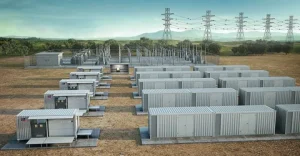
Battery Energy Storage Systems have emerged as one of the most effective tools for overcoming renewable integration challenges. Through professional bess grid connection services, developers can maximize the value of both solar and storage assets while improving overall network performance.
Energy Smoothing and Peak Management
Solar generation naturally varies throughout the day. BESS systems absorb excess energy during periods of high generation and discharge stored electricity when solar output decreases.
This capability helps:
- Reduce power fluctuations
- Improve dispatchability
- Minimize curtailment
- Support peak demand periods
As a result, solar facilities become more predictable and attractive to grid operators.
Frequency and Voltage Support
Modern battery systems can respond to grid disturbances within milliseconds. This rapid response capability makes BESS highly effective for frequency regulation and voltage control applications.
By providing ancillary services, battery storage systems strengthen grid resilience and support compliance with increasingly demanding grid code requirements.
Deferred Infrastructure Upgrades
In some cases, battery storage can reduce the need for expensive transmission and distribution upgrades. Strategic deployment of energy storage helps alleviate congestion and improves utilization of existing network assets.
For project developers, this can significantly reduce connection costs and accelerate project timelines.
Best Practices for Successful Grid Connection
Achieving a successful utility-scale solar grid connection requires collaboration between developers, utilities, consultants, and regulators.
Several best practices consistently improve project outcomes:
Conduct Early Grid Studies
Comprehensive feasibility studies help identify technical constraints before major investments are made. Load flow analysis, short-circuit studies, and dynamic simulations provide valuable insight into network behavior.
Prioritize Compliance Planning
Grid code compliance should be addressed from the earliest stages of project development. Waiting until later phases can lead to costly redesigns and project delays.
Implementing proven grid code compliance solutions ensures smoother regulatory approval and commissioning processes.
Integrate Energy Storage Strategically
Battery systems should not be treated as an afterthought. Properly designed bess grid connection services enable developers to optimize storage capacity, control strategies, and economic performance.
Use Advanced Control Technologies
Modern inverters, plant controllers, and monitoring platforms improve visibility and operational flexibility. These technologies allow solar facilities to actively support grid stability while maximizing energy production.
The Future of Solar Grid Integration
As renewable energy targets continue to expand globally, utility-scale solar deployment will accelerate. Grid operators are increasingly adopting advanced standards that require renewable assets to behave more like conventional generation sources.
Emerging technologies such as grid-forming inverters, artificial intelligence-based forecasting, and next-generation battery storage systems will further enhance solar integration capabilities.
Organizations that invest in robust engineering design, comprehensive grid code compliance strategies, and innovative energy storage solutions will be best positioned to succeed in this rapidly evolving energy landscape.
Conclusion
Utility-scale solar projects play a vital role in the transition to cleaner and more sustainable energy systems. However, successful integration into modern power networks requires careful management of technical challenges related to stability, reliability, and regulatory compliance.
By leveraging advanced grid code compliance solutions, conducting detailed system studies, and utilizing professional bess grid connection services, developers can overcome these challenges and deliver reliable renewable energy projects. As technology continues to evolve, utility-scale solar and battery storage will remain central to building a resilient, efficient, and sustainable electricity grid for the future.