





Fashion e-commerce has exploded in growth. Platforms like Myntra remain among the most recognized names in the digital shopping space. They offer a highly seamless experience for clothing, footwear, and lifestyle accessories. Because of this massive market success, many entrepreneurs want to replicate this business model with their own custom applications.
However, building an app of this massive scale requires careful planning, a highly robust technology stack, and an optimized design strategy. Partnering with an experienced e-commerce app development company ensures that your platform can handle high traffic, intricate design elements, and functionality at scale from day one.
Decoding the Myntra Business Model
Before diving into lines of code, you must understand what makes a fashion platform truly successful. Top platforms combine a vast product catalog with highly personalized recommendations, intuitive navigation, multiple payment options, and instant delivery tracking.
Furthermore, these platforms run on a highly effective hybrid business model. This infrastructure includes an independent, in-house inventory alongside a massive marketplace of third-party vendors. This approach gives users immediate access to thousands of brands in a single location.
Replicating this model means your new application must support:
-
Multi-vendor account capabilities.
-
Robust backend catalog management.
-
A frictionless checkout flow that handles extreme traffic spikes during seasonal sales.
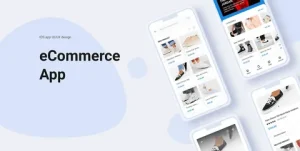
Core Features Your Fashion App Needs
To build a competitive fashion application, certain user and admin features are absolutely non-negotiable.
User-Centric Features
The shopping journey begins with a smooth user registration and login system. Users should be able to log in quickly through email, phone numbers, or social media accounts. Once inside, the app must present an intuitive product browsing experience. This requires advanced filtering systems for size, color, brand, price range, and specific style categories.
A strong search function powered by auto-suggestions and voice search capability will significantly improve the user experience. Additionally, individual product pages should feature high-quality images, multi-angle zoom options, clear size guides, and authentic customer reviews. These elements help users make informed purchase decisions.
Finally, a streamlined checkout process is vital. Integrate the shopping cart and wishlist features with reliable payment gateways like Razorpay, Paytm, and UPI to ensure fast transactions. Complete the user experience by adding real-time order tracking, straightforward return management, and automated push notifications for order updates.
Admin and Vendor Features
On the backend, your system requires a comprehensive admin dashboard. This centralized portal allows your team to manage expanding inventory levels, track incoming orders, oversee vendor accounts, and analyze real-time sales data through detailed reports.
Choosing the Right Technology Stack
The technology stack you select directly impacts your application’s performance, long-term scalability, and overall maintenance costs.
Frontend Development
For the user-facing interface, frameworks like React Native or Flutter are highly popular choices. They allow for cross-platform development. This means your development team can build the app for both Android and iOS simultaneously without writing two entirely separate codebases from scratch. This significantly reduces your time-to-market.
Backend and Database
On the server side, Node.js, Django, or Ruby on Rails are commonly deployed to handle complex business logic and quick server-side operations. For data storage, relational databases like PostgreSQL or NoSQL options like MongoDB can manage massive volumes of product listings and user data efficiently.
Cloud Infrastructure
Utilizing cloud infrastructure from providers like AWS (Amazon Web Services) or Google Cloud ensures your application scales smoothly. This cloud elasticity is vital during high-traffic events like end-of-season sales, preventing server crashes when thousands of users shop at the exact same moment.
The Step-by-Step Development Process
Building a high-end e-commerce app typically follows a structured, multi-phase lifecycle:
-
Market Research and Planning: First, define your specific target audience, study direct competitors, and outline your unique selling proposition (USP).
-
UI/UX Design: Next, focus heavily on visual appeal, as design directly influences fashion purchase decisions. The interface must be clean, mobile-first, and optimized for fast, casual browsing.
-
Parallel Development: Developers build the frontend interface and backend server architecture simultaneously to maximize efficiency.
-
Rigorous Testing: Quality assurance teams test the app for functionality, security vulnerabilities, and performance under heavy simulated loads across multiple device types.
-
Deployment and Maintenance: Finally, launch the app on the Apple App Store and Google Play Store, followed by continuous feature updates based on real user feedback.
Understanding Cost Considerations
The total cost of developing a fashion e-commerce application varies based on feature complexity, design requirements, and the geographic location of your development team. A basic version containing only essential shopping features will cost significantly less than an enterprise-grade platform. Advanced features like AI-driven personalized style feeds, augmented reality (AR) virtual try-on rooms, and predictive analytics require a larger initial investment.
To manage your budget effectively, consider a phased development approach. Work with your development team to launch a Minimum Viable Product (MVP) first. This allows you to enter the market quickly, gather user data, and add advanced features over time as your revenue grows.
Why Partner with an Experienced Development Team?
Building a successful fashion app involves much more than just writing functional code. It requires a deep understanding of mobile user behavior, advanced data security protocols, large-scale inventory synchronization, and conversion rate optimization (CRO).
An established e-commerce development company brings this specific industry expertise to your project. They possess proven workflows for integrating third-party shipping APIs, complex payment gateways, and behavior-tracking analytics tools. Their experience helps you avoid technical debt by creating a clean, modular code architecture, ensuring your application remains agile, secure, and ready for long-term business growth.