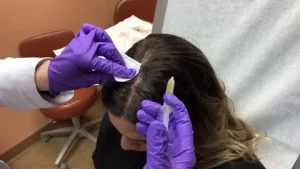
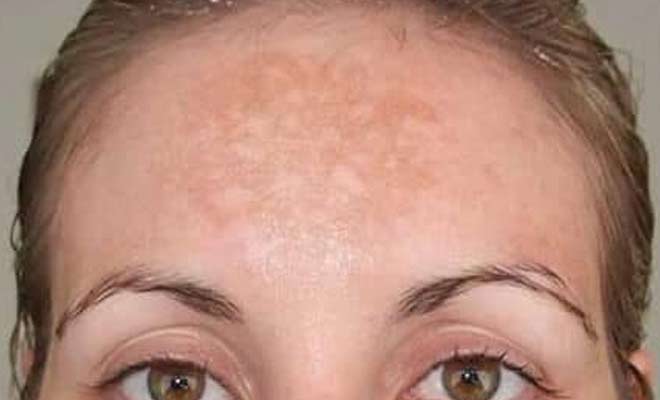
Hair loss can affect your appearance and confidence. Fortunately, modern medicine offers several effective solutions to restore hair and improve scalp health. Two of the most popular options are hair transplant surgery and Platelet-Rich Plasma (PRP) therapy. Although both treatments focus on improving hair growth, they work in very different ways. Choosing the right solution depends on the cause of your hair loss, the condition of your hair follicles, your budget, and your long-term goals.
If you’re exploring hair restoration Columbia SC services or searching for an advanced hair roots treatment, understanding how these procedures differ will help you make an informed decision.
Understanding Hair Loss
Not everyone experiences hair loss in the same manner. Some people notice gradual thinning across the scalp, while others develop a receding hairline or bald patches. In many cases, genetics play a major role. Hormonal changes, aging, stress, certain medical conditions, and nutritional deficiencies can also contribute to hair thinning.
As hair follicles weaken, they begin producing thinner strands. Over time, some follicles stop producing hair altogether. Identifying whether your follicles are still active or permanently inactive is one of the most important steps before selecting a treatment.
Hair Transplant: A Long-Term Solution
A hair transplant is a surgical procedure that restores hair by relocating healthy follicles from one part of the scalp to areas with significant hair loss. These donor follicles usually come from the back or sides of the head because they are naturally more resistant to hair loss. Once transplanted, these follicles continue growing hair in their new location, making this treatment one of the most permanent solutions available.
Follicular Unit Extraction (FUE)
FUE has become one of the most popular hair transplant techniques. During this procedure, the surgeon removes individual follicular units using specialized instruments. Each follicle is then carefully implanted into thinning or bald areas.
Because FUE does not require a large incision, it leaves tiny scars that are usually difficult to notice. Recovery is generally faster, making it a preferred option for many patients.
Follicular Unit Transplantation (FUT)
FUT uses a different approach. The surgeon removes a narrow strip of scalp from the donor area and separates it into individual grafts under a microscope.
This technique often allows a larger number of grafts to be transplanted during one session. Although it may leave a fine linear scar, many patients with advanced hair loss still choose FUT because of its effectiveness.
Understanding PRP Therapy
Platelet-Rich Plasma therapy offers a completely different approach to hair restoration. Instead of moving hair follicles, PRP works by stimulating the follicles you already have.
The treatment begins by drawing a small amount of your blood. The sample is placed inside a centrifuge, which separates platelet-rich plasma from the other blood components. This concentrated plasma contains growth factors that support tissue repair and natural healing. The specialist then injects the plasma into targeted areas of the scalp using very fine needles.
How PRP Supports Hair Growth
PRP stimulates weakened hair follicles rather than replacing them. The concentrated growth factors help improve blood circulation around the follicles while encouraging healthier hair growth.
Many patients notice improvements in:
Stronger Existing Hair
PRP helps strengthen weak hair strands that have become thin over time.
Improved Hair Density
Healthy follicles often produce thicker and fuller hair after multiple treatment sessions.
Better Scalp Health
Improved circulation creates a healthier environment for ongoing hair growth.
Since PRP relies on your existing follicles, it works best for people experiencing early or moderate hair thinning rather than complete baldness.
Comparing the Results
Although both treatments aim to improve hair growth, the results differ considerably. Hair transplantation creates permanent improvements because it relocates healthy follicles that continue growing naturally. Once healing is complete, many patients enjoy long-lasting results.
PRP therapy delivers gradual improvements by stimulating existing follicles. Because hair naturally goes through different growth cycles, maintenance sessions every few months are usually recommended to maintain results.
Who Is a Good Candidate?
Your stage of hair loss largely determines which treatment will be most effective.
Hair Transplant Candidates
Hair transplant surgery may be suitable if you have:
Noticeable bald areas
A receding hairline
Sufficient donor hair
Stable hair loss patterns
PRP Candidates
PRP therapy may be a better choice if you have:
Mild to moderate thinning
Active hair follicles
Early-stage hair loss
Healthy scalp tissue
A professional scalp examination helps determine which option best matches your condition.
Recovery and Downtime
Recovery time is another major difference. Hair transplant patients usually need several days of recovery. Small scabs form around the transplanted grafts, and patients must follow detailed aftercare instructions while the scalp heals.
PRP therapy involves almost no downtime. Most patients return to work or normal daily activities shortly after their appointment.
Cost Considerations
Financial planning also influences treatment decisions. Hair transplantation requires a larger upfront investment because it involves surgery and permanent follicle relocation. However, most patients do not require frequent maintenance procedures afterward.
PRP sessions generally cost less individually. Since multiple sessions and periodic maintenance treatments are necessary, the long-term cost may gradually increase over time.
Combining Hair Transplant and PRP Therapy
Many specialists now combine both procedures to maximize results.
PRP therapy can support transplanted follicles by improving healing and reducing inflammation after surgery. It also strengthens surrounding natural hair, creating a fuller and more natural appearance. Patients who choose both treatments often benefit from improved graft survival while maintaining the health of existing hair.
Choosing the Right Hair Restoration Specialist
Regardless of which procedure you choose, selecting an experienced specialist remains essential. Clinics offering professional hair restoration Columbia SC services provide detailed scalp evaluations, advanced diagnostic tools, and personalized treatment plans.
An experienced provider can determine whether your follicles remain viable and recommend the most effective hair roots treatment based on your hair loss pattern, medical history, and long-term expectations.
Final Thoughts
Hair loss affects everyone differently, so there is no single solution that works for every patient. Hair transplant surgery provides a permanent solution for individuals with advanced hair loss and sufficient donor hair. PRP therapy offers a minimally invasive option that stimulates existing follicles and helps slow ongoing thinning.
Many patients also benefit from combining both treatments for more comprehensive results. By consulting an experienced hair restoration specialist, you can develop a personalized treatment plan that restores confidence while supporting healthier, fuller hair for years to come.