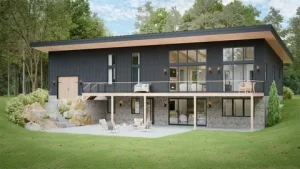
Building a 3,000 sq ft house in Canada is a major investment that requires careful planning and realistic budgeting. The final construction cost depends on several factors, including location, design choices, materials, labor rates, site conditions, and finishing selections. Because every project has unique requirements, there is no single fixed price that applies to every home.
In 2026, a general construction range of approximately CAD $200 to $450 per sq ft places the estimated building cost of a 3,000 sq ft home between around $600,000 and $1.35 million. This estimate usually covers construction costs but may exclude land, financing, professional services, permits, landscaping, and other project-specific expenses.
A detailed construction estimate helps homeowners understand the actual budget before starting the project. Instead of relying only on average prices, a professional estimate considers the specific design, materials, and conditions of the planned home.
Average Cost to Build a 3,000 Sq Ft House
The cost of building a 3,000 sq ft home can vary significantly depending on the quality level and complexity of the project. At approximately $200 per sq ft, the construction cost may start near $600,000. A mid-range home at around $300 per sq ft could reach approximately $900,000, while a luxury custom build at $450 per sq ft may approach $1.35 million.
Basic homes with straightforward designs generally remain closer to the lower end of the range. These projects usually use standard materials, simpler layouts, and fewer custom features. On the other hand, custom homes with premium finishes, complex architecture, and advanced systems can quickly increase the overall budget.
It is important to understand that construction cost is different from the total cost of owning a finished property. Expenses such as land purchase, financing, architectural services, permits, utility connections, landscaping, and development charges may require additional budgeting.
Factors That Influence Construction Costs
Location and Regional Differences
Location is one of the biggest factors affecting house construction costs in Canada. Prices can differ between provinces, cities, and rural areas because of differences in labor availability, transportation costs, regulations, and market demand.
Building in major urban areas often requires a higher budget because of increased labor costs and stricter development requirements. Rural projects may have lower construction rates in some cases but can face additional expenses due to transportation, infrastructure, or remote site conditions.
Before planning construction, homeowners should research local market conditions and work with professionals who understand regional pricing.
Design Complexity and Home Layout
The design of a home has a direct impact on construction costs. A simple rectangular layout usually requires fewer materials and less labor compared with a highly customized design featuring multiple levels, complex roof structures, large windows, or unique architectural details.
Every additional design element can increase costs through extra engineering, materials, installation time, and labor requirements. Custom staircases, extensive glazing, open structural spans, and detailed exterior features can significantly affect the final budget.
A well-planned design can help homeowners achieve their desired appearance while maintaining better cost control.
Materials and Finishing Choices
Materials and finishes play a major role in determining the final construction price. Standard flooring, cabinetry, fixtures, windows, roofing, and appliances can help maintain a controlled budget.
However, premium selections can increase expenses quickly. Features such as custom millwork, luxury kitchens, high-end bathroom finishes, designer fixtures, advanced windows, and smart-home technology require additional investment.
Choosing materials carefully allows homeowners to balance appearance, performance, durability, and affordability.
Site Conditions
The building site itself can create unexpected costs. Before construction begins, factors such as soil conditions, excavation requirements, drainage issues, grading, rock removal, and utility access should be evaluated.
Difficult sites may require additional preparation work before the foundation can begin. Retaining walls, extended utility connections, or challenging access conditions can add significant expenses to the project.
Early site evaluation helps identify potential risks and prevents unexpected budget increases during construction.
Major Cost Components of a 3,000 Sq Ft Home
A residential construction budget includes several major categories. Understanding these areas helps homeowners see where their investment goes.
Foundation and Structural Work
Foundation work creates the base of the home and includes excavation, concrete, drainage systems, waterproofing, and related preparation. Framing follows this stage and creates the main structural framework using materials such as lumber and engineered components.
These early stages represent a significant portion of the construction budget because they establish the strength and stability of the building.
Exterior Construction
The building envelope includes roofing, siding, windows, exterior doors, insulation, and weather protection systems. These components protect the home from Canadian weather conditions and influence energy efficiency.
High-quality exterior materials may require a larger initial investment but can improve durability and reduce future maintenance costs.
Mechanical and Interior Systems
Mechanical systems include plumbing, electrical work, heating, ventilation, and cooling. These systems are essential for creating a comfortable and functional living environment.
Interior construction includes drywall, flooring, painting, cabinetry, countertops, doors, trim, fixtures, and finishing details. The quality of interior selections can significantly influence the final appearance and cost of the home.
Additional Project Expenses
Homeowners should also consider additional expenses such as architectural design, engineering, permits, inspections, temporary utilities, landscaping, driveways, fencing, and appliances.
A contingency budget is also important because construction projects may experience price changes, design adjustments, or unexpected conditions.
Why Professional Construction Estimating Matters
Large residential projects involve many details that can be difficult to calculate manually. Differences between drawings, material quantities, labour requirements, and current market prices can create inaccurate budgets.
Professional Construction Estimation Services in Canada help convert project drawings and specifications into organized cost information. This allows homeowners, builders, and contractors to understand the expected expenses before construction begins.
Construction Cost Estimation Services in Canada also help identify expensive decisions early in the planning stage. If certain selections exceed the budget, homeowners can adjust designs, compare alternatives, and prioritize important features.
Detailed estimating services can include material takeoffs, labor calculations, subcontractor costs, equipment requirements, and project-specific expenses. This provides a clearer financial picture than relying only on general square-foot averages.
How to Control Your Construction Budget
Start With a Realistic Budget
A successful project begins with a realistic financial plan. Instead of selecting a home size first and estimating costs afterward, homeowners should understand what their budget can support.
Sharing complete project information with an estimator improves accuracy. Drawings, specifications, site details, and finish preferences all help create a more reliable estimate.
Consider Value Engineering
When costs exceed expectations, value engineering can help reduce expenses without affecting the overall purpose of the design. This may involve simplifying the structure, choosing alternative materials, reducing unnecessary complexity, or adjusting finishes.
The goal is not simply to cut costs but to make smarter decisions that maintain quality, safety, and long-term performance.
Maintain a Contingency Reserve
Even carefully planned projects can experience unexpected expenses. A contingency reserve protects the budget from changes caused by site conditions, material price increases, or design modifications.
Including this reserve from the beginning creates more financial flexibility throughout construction.
Choosing the Right Construction Estimating Company
Selecting an experienced Construction Estimating Company can improve planning and budget control. A reliable estimating partner should understand Canadian construction practices, review project documents carefully, and provide clear cost information.
Constructem Canada provides construction takeoffs and cost estimation services for residential, commercial, and civil projects. Professional estimating support helps contractors and homeowners improve bidding accuracy, manage budgets, and make informed decisions before construction begins.
A good estimating company should also clearly explain assumptions, exclusions, and project requirements. This transparency helps prevent misunderstandings and improves communication between everyone involved.
Final Thoughts
The cost of building a 3,000 sq ft house in Canada in 2026 can range from approximately $600,000 to $1.35 million for construction, depending on location, materials, design complexity, labor, and site conditions. However, the actual budget can vary significantly based on individual project choices.
A simple square-foot calculation provides only a starting point. A detailed construction estimate based on real drawings, specifications, and site information offers a much more accurate understanding of the expected investment.
With professional Construction Estimation Services in Canada, homeowners and builders can identify costs early, reduce financial risks, compare options, and create a realistic construction plan. Careful preparation before construction begins leads to better decisions and a smoother building experience.