







Solo travel can be both thrilling and daunting simultaneously. You get complete freedom to choose where you go, what you do, and how you spend your time. However, the idea of handling everything alone can also create uncertainty, especially during your first trip.
The good news is that you do not need extensive experience to travel alone. With some preparation and a sensible approach, you can enjoy your journey while staying comfortable and confident.
Solo travel gives you an opportunity to learn more about yourself. It also encourages you to become more independent. You make your own decisions, solve unexpected problems, and discover places at your own pace. If you are thinking about taking your first trip alone, these practical tips can help you prepare.
Start With a Beginner-Friendly Destination
Your first destination can influence your entire experience. Therefore, choose a place that feels manageable rather than jumping straight into a complicated adventure.
Look for destinations with reliable public transportation, clear tourist information, and plenty of accommodation choices. A city that welcomes visitors and offers easy navigation can make your first experience much smoother.
Also, consider the language and culture. Visiting a place where you understand the local language can reduce communication challenges. Once you gain confidence, you can explore more unfamiliar destinations.
Research Before You Leave
Good preparation can reduce unnecessary stress. Before your trip, learn about your destination and understand how the city or region works.
Research transportation, local customs, weather, common scams, emergency numbers, and areas that you may want to avoid. Save important addresses and booking information on your phone.
However, do not plan every minute. Leave some free time for unexpected discoveries. A flexible itinerary gives you freedom without leaving you completely unprepared.
Share Your Travel Plans
You may travel alone, but you do not have to disappear from everyone’s radar. Tell a trusted friend or family member about your itinerary. Share your accommodation details and general travel schedule. Let someone know when you expect to arrive and when you plan to return home.
You can also check in regularly. A quick message can reassure someone that everything is going well. This simple habit adds an extra layer of security without limiting your independence.
Choose Accommodation Carefully
Your accommodation can affect how comfortable you feel during the trip. Therefore, research properties carefully before booking. Read recent reviews and check the location on a map. Look for accommodation near public transportation and areas that remain active in the evening.
Hostels can work well if you want to meet other travelers. Hotels may suit you if you prefer privacy. Guesthouses can offer a balance between comfort and local character. Most importantly, choose a place that matches your comfort level. Saving a little money does not justify staying somewhere that makes you feel unsafe or uncomfortable.
Keep Your Important Items Secure
When traveling alone, you need to pay close attention to your belongings. Keep your passport, money, cards, phone, and other essentials secure. Carry only what you need for the day. Leave unnecessary valuables at your accommodation when appropriate.
Consider using a secure bag that stays close to your body. Keep digital copies of important documents in a secure location as well. Also, avoid displaying large amounts of cash in public. Use common sense when handling money or valuables.
Learn Basic Local Phrases
Language differences can make unfamiliar situations harder. Learning a few basic phrases can help you communicate more confidently. Practice simple expressions such as greetings, “please,” “thank you,” and questions about directions. You do not need to become fluent.
A translation app can also help when you encounter unfamiliar words. However, do not rely entirely on your phone. Download important language resources for offline use before leaving.
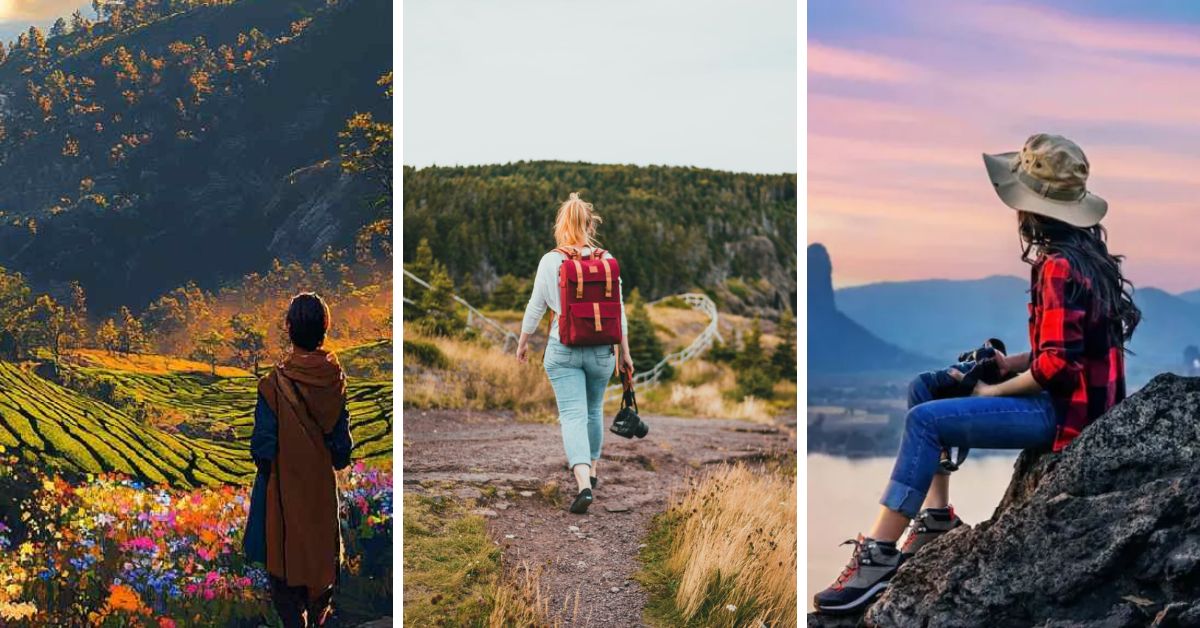
Stay Aware of Your Surroundings
Confidence matters during solo travel, but awareness matters even more. Pay attention to what happens around you. Avoid walking through unfamiliar areas late at night when you do not know the neighborhood. Keep your phone accessible, but do not stare at it constantly while walking.
If something feels wrong, trust your instincts. You do not need to explain yourself or stay in an uncomfortable situation. You can also enter a busy café, hotel lobby, or public place if you need a moment to reassess your surroundings.
Avoid Sharing Too Much Personal Information
Meeting new people can become one of the most enjoyable parts of traveling alone. However, maintain reasonable boundaries. You do not need to tell strangers where you are staying or share your entire itinerary. If someone asks personal questions that make you uncomfortable, change the subject or leave. You can enjoy conversations while still protecting your privacy. A friendly attitude and good judgment can work together.
Keep Your First Day Simple
Your arrival day often feels more tiring than expected. You may deal with a long flight, unfamiliar transportation, jet lag, or navigation challenges. Therefore, avoid creating an ambitious schedule for your first day. Focus on reaching your accommodation, getting familiar with the area, eating a good meal, and resting. Once you understand your surroundings, you can explore with more confidence.
Stay Connected
Reliable communication can make your trip easier. Check whether your phone plan works at your destination. You may also consider an appropriate local SIM or eSIM option.
Keep your phone charged throughout the day. Carry a portable charger if you expect to spend long hours exploring. Download maps and important travel information before leaving your accommodation. Internet access can become unreliable in certain areas.
Enjoy Your Independence
One of the best parts of solo travel involves making your own choices. You do not need to negotiate every decision with another person. Want to wake up early and explore a market? Go for it. Prefer to spend an afternoon reading in a café? You can do that too. Use this freedom to discover what you genuinely enjoy. You may return home with a better understanding of your interests and priorities.
Do Not Fear Eating Alone
Many first-time travelers worry about eating alone. In reality, it becomes easier once you try it. Choose a café, casual restaurant, food market, or local dining spot that feels comfortable. Bring a book or listen to music if you want something to do. You can also sit at a counter or communal table if you want to meet people. Eventually, eating alone may feel completely normal.
Have a Backup Plan
Even careful travelers encounter unexpected problems. Your flight may change. Your phone may stop working. You may lose your way. Prepare for these possibilities. Keep emergency contact information available. Save your accommodation address offline and carry a small amount of backup cash. You do not need to expect problems. Simply prepare for them so you can respond calmly if something goes wrong.
Final Thoughts
Your first solo travel experience does not need to feel perfect. You may make mistakes, change your plans, or feel nervous at times. That comes with trying something new. Start small and choose a destination that matches your experience level. Research carefully, stay aware, protect your belongings, and keep trusted people informed.
Most importantly, give yourself permission to enjoy the freedom. Traveling alone can help you become more confident, independent, and comfortable with your own decisions. Take your first trip at your own pace. With preparation, common sense, and an open mind, you can turn an uncertain first adventure into a memorable experience.