





Managing personal finances has become much easier with the help of budgeting apps. Instead of recording every expense manually or relying on spreadsheets, modern budgeting applications allow users to monitor income, track spending, organize financial goals, and view detailed reports from a smartphone or computer. These tools simplify money management while helping people make smarter financial decisions every day. As a result, budgeting apps have become an essential resource for beginners and experienced budget planners alike.
The right budgeting app does more than display your account balance. It helps you understand spending habits, identify unnecessary expenses, create savings goals, and stay accountable to your financial plan. Whether you want to pay off debt, build an emergency fund, or simply gain better control over your monthly expenses, choosing the right budgeting app can make the process much easier.
Why Use a Budgeting App?
Budgeting apps provide a convenient way to organize your finances without requiring complicated calculations or paperwork. They automatically categorize transactions, monitor account balances, and provide visual summaries of your spending patterns. This level of organization allows users to identify financial habits that may otherwise go unnoticed.
Another important advantage is consistency. Since most budgeting apps send reminders, notifications, and financial updates, they encourage users to review their finances regularly. This ongoing awareness helps maintain better spending habits and supports long-term financial success.
Features to Look for in a Budgeting App
Expense Tracking
One of the most valuable features of any budgeting app is automatic expense tracking. The ability to categorize purchases into areas such as housing, groceries, transportation, entertainment, and healthcare provides a clear overview of where your money goes each month. Understanding these spending patterns helps you make informed financial decisions.
Some apps also allow manual adjustments and custom spending categories. This flexibility makes it easier to organize your finances according to your personal needs and financial goals.
Budget Planning
A good budgeting app should allow you to create monthly spending limits for different categories. Setting realistic budgets helps control unnecessary spending while ensuring enough money remains available for savings and essential expenses. Visual progress indicators also make it easier to stay within your planned budget throughout the month.
Budget planning tools often include alerts when spending approaches your selected limits. These reminders encourage responsible financial behavior before overspending becomes a problem.
Savings Goal Management
Many budgeting apps allow users to create personalized savings goals for specific purposes such as vacations, emergency funds, education, or purchasing a home. Tracking progress visually helps maintain motivation while making long-term financial objectives feel more achievable.
Automatic transfers into savings accounts are another useful feature offered by some budgeting platforms. Automating savings reduces the temptation to spend money that should be reserved for future goals.
Debt Management Tools
Managing debt becomes easier when your budgeting app includes loan tracking and repayment planning features. These tools help monitor outstanding balances, payment schedules, and interest costs while showing progress as debt decreases. Seeing measurable progress encourages users to remain committed to their repayment plans.
Some applications also suggest repayment strategies based on your financial situation. Organized debt management supports healthier financial habits and helps users become debt-free more efficiently.
Financial Reports and Insights
Budgeting apps often generate reports that summarize income, expenses, savings, and spending trends. Charts and graphs provide easy-to-understand visual representations of your financial activity without requiring advanced financial knowledge. Reviewing these reports regularly helps identify opportunities to reduce spending and increase savings.
Financial insights also help users recognize recurring expenses that may no longer provide value. This awareness allows for smarter budgeting decisions and more effective financial planning.
Security and Privacy
Financial information requires strong protection, making security an essential factor when choosing a budgeting app. Look for applications that use encryption, secure login methods, and multi-factor authentication to protect sensitive financial data. Strong security features reduce the risk of unauthorized access while providing greater peace of mind.
Before selecting an app, review its privacy policy and understand how your financial information is stored and used. Choosing trusted providers with strong security practices helps protect your personal data.
Ease of Use
A budgeting app should simplify financial management rather than make it more complicated. Choose an application with a clean interface, intuitive navigation, and clear financial summaries. The easier the app is to use, the more likely you are to maintain consistent budgeting habits.
Many budgeting apps also provide educational resources, tutorials, and customer support to help beginners become comfortable with financial planning. User-friendly design encourages long-term engagement and better financial discipline.
Synchronization Across Devices
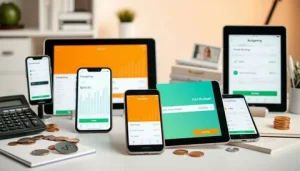
Modern budgeting apps often synchronize information across smartphones, tablets, and computers. This feature allows users to monitor their finances wherever they are without manually updating multiple devices. Real-time synchronization also ensures financial information remains current and accurate.
Cloud-based synchronization provides additional convenience for individuals who manage finances on multiple devices. Accessing updated information anytime helps users stay connected to their financial goals.
Budgeting Apps for Different Needs
Different people have different financial priorities, so the ideal budgeting app depends on your goals. Some applications focus on daily expense tracking, while others emphasize long-term financial planning, debt reduction, investment monitoring, or family budgeting. Understanding your own financial needs helps narrow your choices.
Beginners often benefit from simple budgeting apps with easy navigation and automatic transaction categorization. More experienced users may prefer advanced features such as investment tracking, detailed financial reports, or customizable budgeting tools.
Tips for Using Budgeting Apps Effectively
Installing a budgeting app alone will not improve your finances. Review your transactions regularly, update your budget when your financial situation changes, and monitor your progress toward savings goals every month. Consistent use allows the app to become a valuable financial management tool rather than simply another application on your phone.
Take advantage of notifications and spending alerts whenever possible. These reminders help prevent overspending while encouraging better financial habits throughout the month.
Common Budgeting Mistakes
Many users stop using budgeting apps after only a few weeks because they expect immediate results. Building healthy financial habits requires consistency and patience. Reviewing your budget regularly and making gradual improvements often leads to much stronger long-term outcomes.
Another common mistake involves creating unrealistic spending limits. Budgets should remain practical and flexible enough to accommodate occasional unexpected expenses. A balanced budget is much easier to maintain than one that feels overly restrictive.
Building Better Financial Habits
Budgeting apps work best when combined with positive financial habits. Paying bills on time, saving regularly, limiting unnecessary spending, and reviewing financial goals consistently all contribute to stronger financial health. Technology provides useful support, but long-term success ultimately depends on disciplined decision-making.
As your financial situation changes, continue adjusting your budget and savings goals accordingly. A flexible approach allows your financial plan to grow alongside your personal and professional life.
Conclusion
Choosing one of the best budgeting apps can make managing your finances simpler, more organized, and more effective. Features such as expense tracking, budget planning, savings goals, debt management, financial reporting, and strong security help users gain better control over their money while building healthier financial habits.
A budgeting app is not simply a tool for recording expenses. It serves as a personal financial assistant that helps you make informed decisions, stay focused on your goals, and improve your overall financial well-being. By selecting an app that matches your needs and using it consistently, you can create a stronger financial future while developing money management skills that benefit you for years to come.


