






Life is full of unexpected situations that can affect your finances. Medical emergencies, car repairs, home maintenance, or temporary job loss can happen without warning. If you are not financially prepared, these unexpected expenses may force you to rely on credit cards or loans, creating additional financial stress. An emergency fund provides a safety net that helps you manage these challenges without disrupting your long-term financial goals.
Learning how to build an emergency fund is one of the smartest financial decisions you can make. You do not need to save a large amount overnight. Instead, consistent saving and careful planning allow you to build a financial cushion that protects you during difficult times.
Why an Emergency Fund Is Important
An emergency fund gives you peace of mind because you know you have money available when unexpected expenses arise. Instead of worrying about how to pay for sudden repairs or medical bills, you can use your savings while avoiding unnecessary debt.
Having emergency savings also allows you to make better financial decisions. Without a financial cushion, you may feel pressured to borrow money or use high-interest credit cards. Building an emergency fund reduces this risk and helps you maintain long-term financial stability.
Determine How Much You Need
Set a Realistic Savings Goal
The first step is deciding how much you want to save. Many financial experts recommend building an emergency fund that covers three to six months of essential living expenses. These expenses usually include housing, utilities, groceries, transportation, insurance, and healthcare.
If saving several months of expenses feels overwhelming, begin with a smaller goal. Reaching your first milestone builds confidence and motivates you to continue saving.
Calculate Your Essential Expenses
Review your monthly budget and calculate the amount you spend on necessities. Focus only on essential costs rather than optional spending such as entertainment or dining out. Knowing your monthly expenses helps you estimate the amount your emergency fund should eventually cover.
Create a Monthly Savings Plan
Building an emergency fund becomes much easier when you save consistently. Decide how much money you can comfortably set aside each month and include it in your budget. Treat this contribution like any other important monthly bill.
Even if you can only save a small amount, consistency is more important than the size of each deposit. Regular contributions gradually build a strong financial safety net over time.
Pay Yourself First
One of the most effective saving strategies is paying yourself first. Instead of waiting until the end of the month to save whatever money remains, transfer a portion of your income into your emergency fund as soon as you receive your paycheck.
Setting up automatic transfers makes saving easier because the money moves into your savings account before you have the opportunity to spend it. This habit encourages discipline and keeps your financial goals on track.
Open a Separate Savings Account
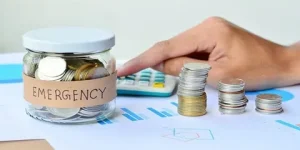
Keeping your emergency fund separate from your everyday spending account reduces the temptation to use the money for non-essential purchases. A dedicated savings account also makes it easier to track your progress and monitor your growing balance.
Choose an account that allows easy access during genuine emergencies while offering a safe place to store your savings.
Reduce Unnecessary Expenses
Finding extra money for your emergency fund often begins with reducing unnecessary spending. Review your monthly expenses and identify areas where you can cut costs. Preparing meals at home, canceling unused subscriptions, limiting impulse purchases, and comparing prices before shopping can free up additional money for savings.
Small reductions in daily spending may seem minor, but they can add up significantly over several months. Redirecting these savings toward your emergency fund helps you reach your goal faster.
Use Extra Income to Grow Your Savings
Unexpected income provides an excellent opportunity to strengthen your emergency fund. Tax refunds, work bonuses, freelance earnings, financial gifts, or profits from selling unused items can all increase your savings without affecting your regular monthly budget.
Although it may be tempting to spend this extra money immediately, directing it toward your emergency fund brings you closer to long-term financial security.
Avoid Using the Fund for Non-Emergencies
An emergency fund should only cover genuine financial emergencies. Unexpected medical expenses, urgent home repairs, major vehicle repairs, or temporary income loss are appropriate reasons to use these savings.
Avoid withdrawing money for vacations, shopping, entertainment, or planned purchases. Protecting your emergency fund ensures it remains available when you truly need financial support.
Continue Building After Reaching Your Goal
Reaching your initial savings target is a major accomplishment, but maintaining your emergency fund is equally important. If you need to use part of your savings, begin rebuilding the balance as soon as your financial situation improves.
Review your emergency fund regularly and increase your savings if your living expenses rise over time. Keeping your financial cushion updated ensures it continues to meet your needs.
Develop Healthy Financial Habits
Building an emergency fund becomes easier when you develop strong money management habits. Follow a monthly budget, avoid unnecessary debt, pay bills on time, and continue saving consistently. These habits strengthen your overall financial position and make it easier to handle unexpected situations.
Improving your financial discipline also supports other goals such as investing, retirement planning, and purchasing major assets in the future.
Common Emergency Fund Mistakes to Avoid
Many people postpone building an emergency fund because they believe they need to save a large amount immediately. Waiting often delays financial progress unnecessarily. Starting with small, regular contributions creates momentum and leads to meaningful savings over time.
Another common mistake is keeping emergency savings in the same account used for daily spending. Easy access may encourage unnecessary withdrawals for non-essential purchases. Separating your emergency fund helps protect it and reinforces its purpose.
Conclusion
Learning how to build an emergency fund is an essential step toward achieving financial stability and peace of mind. By setting realistic savings goals, creating a monthly savings plan, paying yourself first, reducing unnecessary expenses, using extra income wisely, and protecting your savings from non-essential spending, you can prepare for life’s unexpected challenges with confidence. Building an emergency fund takes patience and consistency, but the financial security it provides makes every contribution worthwhile. Over time, this simple habit can strengthen your finances and help you face the future with greater confidence.