





Artificial intelligence has become one of the most influential technologies of the modern era. It already helps businesses automate workflows, supports healthcare professionals, improves customer service, and enhances the way people communicate and learn. Every year, AI becomes more capable, more accessible, and more integrated into daily life. As a result, people across every industry are beginning to understand its long-term potential.
The future of artificial intelligence promises even greater innovation. AI will continue to evolve beyond simple automation and become a powerful partner in decision-making, creativity, and problem-solving. Businesses, educators, healthcare providers, and governments will increasingly rely on intelligent systems to improve efficiency and deliver better services. Understanding where AI is heading helps individuals and organizations prepare for the opportunities and challenges ahead.
How Artificial Intelligence Continues to Evolve
Smarter Learning and Better Decision-Making
Artificial intelligence continues to improve because modern systems learn from larger and more diverse datasets. Developers regularly introduce new algorithms that process information faster while producing more accurate results. Consequently, AI can recognize patterns, predict outcomes, and recommend solutions with greater confidence than ever before.
Future AI systems will also understand context more effectively. Instead of responding only to direct instructions, they will interpret user intentions, remember previous interactions, and provide more personalized assistance. This improvement will make AI applications feel more natural and useful in everyday situations.
More Human-Like Interactions
Communication between humans and AI has already become more conversational, but future systems will become even more intuitive. AI assistants will understand natural language, recognize emotions, and adapt their responses based on user preferences. These capabilities will create smoother interactions and improve customer experiences across multiple industries.
Businesses will use conversational AI to provide personalized support, while individuals will rely on intelligent assistants to manage daily tasks. As these technologies mature, AI will become an essential part of both professional and personal life.
The Future of AI in Business
Businesses will continue adopting artificial intelligence because it improves productivity and reduces operational costs. AI will automate repetitive tasks, analyze business data, and support faster decision-making. Instead of replacing employees, intelligent systems will handle routine work while allowing teams to focus on strategy, creativity, and customer relationships.
Small businesses will benefit alongside large enterprises because AI solutions will become more affordable and easier to implement. Companies will integrate AI into customer support, marketing, finance, human resources, and project management. As a result, organizations of every size will gain access to advanced capabilities that were once available only to major corporations.
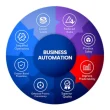
Smarter Business Automation
Future AI platforms will connect multiple business applications into unified workflows. Information will move automatically between accounting software, customer relationship management systems, communication platforms, and project management tools. This seamless integration will reduce manual data entry while improving operational efficiency.
Automation will also become more intelligent over time. Instead of following fixed rules, AI systems will analyze business processes and recommend improvements automatically. Consequently, companies will identify opportunities to increase productivity without constantly redesigning their workflows.

Artificial Intelligence Will Transform Healthcare
Healthcare professionals already use AI to analyze medical images, monitor patient conditions, and assist with diagnoses. Future advancements will make these systems even more accurate and reliable. Doctors will receive real-time recommendations based on patient history, research findings, and clinical data, allowing them to make more informed decisions.
AI will also support preventive healthcare by identifying potential health risks before symptoms become serious. Wearable devices and intelligent monitoring systems will track important health indicators continuously. This proactive approach will help patients receive earlier treatment while improving overall healthcare outcomes.
Education Will Become More Personalized
Artificial intelligence will continue reshaping education by adapting learning experiences to individual students. Instead of using identical teaching methods for every learner, AI platforms will identify strengths, weaknesses, and preferred learning styles. Students will receive personalized lessons, practice exercises, and feedback that match their progress.
Teachers will also benefit from AI by reducing administrative work and gaining better insights into student performance. Intelligent systems will help create lesson plans, evaluate assignments, and monitor academic development. Therefore, educators can dedicate more time to teaching and mentoring rather than routine paperwork.
AI Will Create New Career Opportunities
Many people worry that artificial intelligence will eliminate jobs, but history shows that technological innovation often creates new career paths. While AI will automate repetitive responsibilities, it will also increase demand for professionals who can develop, manage, and improve intelligent systems. New roles in AI engineering, machine learning, cybersecurity, data science, and AI ethics will continue to expand.
Employees across every industry will also need to develop AI literacy. Understanding how to work alongside intelligent tools will become an essential professional skill. Consequently, continuous learning and digital adaptability will play a major role in future career success.
The Importance of Human Skills
Although AI will perform many technical tasks efficiently, human abilities will remain irreplaceable. Creativity, emotional intelligence, leadership, ethical judgment, and critical thinking will continue to distinguish human professionals from automated systems. Businesses will increasingly seek employees who combine technical knowledge with strong interpersonal skills.
This balance between human expertise and artificial intelligence will define the future workplace. Organizations that encourage collaboration between people and AI will likely achieve the best long-term results.
Ethical Considerations Will Shape AI Development
As artificial intelligence becomes more powerful, ethical responsibility will become even more important. Businesses, governments, and technology companies must ensure that AI systems operate fairly, transparently, and responsibly. They must also protect user privacy and reduce bias in AI-generated decisions.
Clear regulations and industry standards will guide future AI development. Responsible innovation will help build public trust while encouraging broader adoption across different sectors. Organizations that prioritize ethical AI practices will strengthen their reputation and create more reliable technology solutions.
Emerging AI Trends to Watch
Several trends will shape the future of artificial intelligence over the next decade. Generative AI will continue producing high-quality text, images, videos, and software code with increasing accuracy. Autonomous systems will improve transportation, logistics, and manufacturing through smarter automation and real-time decision-making.
Edge AI will also gain popularity by processing information directly on local devices instead of relying entirely on cloud servers. This approach will improve speed, reduce latency, and strengthen data privacy. Meanwhile, multimodal AI systems will combine text, voice, images, and video to create more natural and intelligent user experiences.
Preparing for an AI-Driven Future
Individuals and businesses should begin preparing for the continued growth of artificial intelligence today. Learning how AI works, exploring practical applications, and developing digital skills will provide significant advantages in the coming years. Organizations should also evaluate their existing workflows and identify opportunities where AI can improve efficiency and customer satisfaction.
Adopting AI gradually often produces the best results. Businesses can introduce one solution at a time, measure its impact, and expand their implementation as employees become more comfortable. This thoughtful approach encourages successful adoption while minimizing unnecessary disruption.
Conclusion
The future of artificial intelligence offers tremendous opportunities across business, healthcare, education, and everyday life. Intelligent systems will continue improving productivity, supporting better decisions, and creating more personalized experiences for individuals and organizations alike. As AI technology becomes more advanced, it will serve as a valuable partner rather than simply another software tool.
Success in the AI era will depend on balancing innovation with responsibility. Businesses that embrace ethical AI practices, invest in employee development, and adopt intelligent solutions strategically will position themselves for long-term growth. Likewise, individuals who continue learning and adapting to new technologies will remain well prepared for a future where artificial intelligence plays an increasingly important role in work and daily life.


