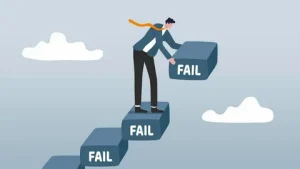
Fear of failure is one of the most common obstacles that prevents people from pursuing their goals. Many people avoid taking risks, starting new projects, or trying unfamiliar things because they worry about making mistakes or disappointing others. While this fear is natural, allowing it to control your decisions can limit your personal and professional growth.
Failure does not mean you are incapable or unsuccessful. In many cases, failure provides valuable lessons that help you improve, develop new skills, and make better decisions in the future. Learning how to manage this fear can help you become more confident, adaptable, and willing to take meaningful action.
Understand the Root Cause of Your Fear
Identify Why Failure Feels Threatening
The first step to overcoming fear of failure is understanding where it comes from. Some people fear failure because they worry about criticism, embarrassment, financial loss, or feeling that they are not good enough. These thoughts can create anxiety and prevent them from taking opportunities that could lead to growth.
Take time to reflect on what specifically makes failure uncomfortable for you. Once you understand the source of your fear, you can begin challenging those thoughts and developing healthier ways to respond. Awareness allows you to replace uncertainty with a more balanced perspective.
Change Your Perspective About Failure
See Failure as a Learning Experience
Many successful people view failure differently from those who fear it. Instead of seeing mistakes as proof of weakness, they see them as opportunities to learn and improve. Every mistake can provide information about what worked, what did not work, and what needs to change. Changing your mindset does not mean pretending failure is easy or ignoring disappointment. It means understanding that setbacks are part of progress. When you accept failure as a natural part of growth, it becomes less intimidating and easier to handle.
Set Realistic Expectations
Avoid the Pressure of Perfection
Perfectionism often increases the fear of failure because it creates unrealistic expectations. When you believe everything must go perfectly, even small mistakes can feel like major disappointments. This mindset can stop you from starting important tasks because you are afraid of not achieving perfect results. Instead, focus on progress rather than perfection. Allow yourself to learn, improve, and make adjustments along the way. Real success usually comes from consistent effort rather than getting everything right from the beginning.
Start Taking Small Actions
Build Confidence Through Experience
Fear becomes stronger when you avoid the situations that make you uncomfortable. The more you delay taking action, the larger the fear can become in your mind. Starting with small steps helps you gradually build confidence and prove to yourself that you can handle challenges. Break larger goals into smaller tasks that feel manageable. Completing small actions creates momentum and reduces the pressure of achieving everything immediately. Over time, these small successes can help you develop greater confidence in your abilities.
Focus on What You Can Control
Stop Worrying About Every Possible Outcome
Many people fear failure because they spend too much time imagining negative outcomes. While planning is important, constantly focusing on what could go wrong can create unnecessary stress. Instead, focus your energy on the actions, preparation, and decisions that are within your control.
You cannot predict every result, but you can control your effort, attitude, and willingness to improve. Concentrating on these areas helps you feel more confident and reduces the power that fear has over your decisions.
Learn From Successful People
Understand That Everyone Faces Setbacks
It is easy to assume that successful people achieve their goals without difficulties. However, most successful individuals experience failures, mistakes, and challenges before reaching their goals. The difference is that they continue learning and moving forward despite setbacks.
Reading about the experiences of entrepreneurs, leaders, athletes, and other successful individuals can change how you view failure. Their stories often show that mistakes are not the end of the journey but important steps toward improvement and achievement.
Develop Self-Confidence
Trust Your Ability to Improve
Confidence does not come from never experiencing failure. It comes from knowing that you can handle challenges and recover from setbacks. When you trust your ability to learn and adapt, failure becomes less frightening.
Build confidence by recognizing your past achievements and the difficulties you have already overcome. Remind yourself of the skills, knowledge, and experiences that helped you succeed before. This creates a stronger belief that you can handle future challenges as well.
Replace Negative Thoughts With Positive Thinking
Control Your Inner Conversation
The way you speak to yourself influences how you respond to challenges. Negative thoughts such as “I will fail” or “I am not capable” can reduce motivation and increase fear. Learning to replace these thoughts with more realistic statements can improve your confidence.
Instead of thinking, “I cannot do this,” try thinking, “I can learn and improve with practice.” Positive thinking does not mean ignoring difficulties. It means approaching challenges with a mindset that encourages action instead of fear.
Create a Plan for Handling Setbacks
Prepare Instead of Worrying
Having a plan for possible challenges can reduce fear and increase confidence. Think about what you would do if something does not go as expected. Preparing solutions in advance helps you feel more capable of handling difficult situations.
A setback does not have to stop your progress. When you already know how you will respond to problems, you are more likely to stay calm and continue moving forward. Preparation turns fear into a practical challenge that you can manage.
Surround Yourself With Supportive People
Build a Positive Environment
The people around you can influence how you view challenges and failures. Supportive friends, mentors, and colleagues can encourage you to take risks and remind you of your potential during difficult moments. A positive environment makes it easier to maintain confidence. Avoid spending too much time with people who constantly discourage growth or focus only on mistakes. Instead, connect with individuals who believe in improvement and encourage you to keep learning.
Take Action Despite Fear
Courage Comes From Practice
Many people wait until they feel completely confident before taking action. However, confidence usually develops after you begin, not before. Taking action while feeling uncertain teaches you that fear does not have to control your decisions. Every step you take builds experience and reduces fear over time. You do not need to eliminate fear completely to succeed. You only need to learn how to move forward even when fear exists.
Final Thoughts on Overcoming Fear of Failure
Overcoming fear of failure requires changing the way you think about mistakes, challenges, and personal growth. Failure is not a reflection of your worth or ability. It is often a valuable part of learning and becoming better.
Start by understanding your fears, setting realistic expectations, taking small actions, and focusing on improvement instead of perfection. With consistent effort and a positive mindset, you can build the confidence needed to pursue your goals and handle challenges with greater strength.