






Electrical infrastructure is evolving rapidly as energy demand increases and power networks become more complex. One of the most critical components of modern power systems is the electrical substation. These facilities serve as the backbone of power transmission and distribution, ensuring that electricity flows efficiently from generation sources to end users.
Today, engineers must adopt modern approaches to electrical substation design that prioritize safety, efficiency, resilience, and scalability. Advanced technology, improved materials, and smarter planning methods have significantly transformed how substations are designed and built. In this article, we explore the latest trends and practices in substation engineering design and how they contribute to reliable power systems.
The Role of Structural Engineering in Substation Projects
Structural engineering plays a vital role in the success of any substation project. A well-designed structure supports electrical equipment, protects it from environmental loads, and ensures long-term operational stability.
Modern substation design & engineering requires engineers to consider several structural factors, including seismic activity, wind loads, soil conditions, and equipment weight. Substation structures must be capable of supporting heavy transformers, switchgear, busbars, and other essential electrical components.
Additionally, substations must be designed to withstand extreme weather events, which are becoming more frequent due to climate change. Engineers now rely on advanced structural analysis tools and modeling software to ensure that structures remain stable under dynamic conditions.
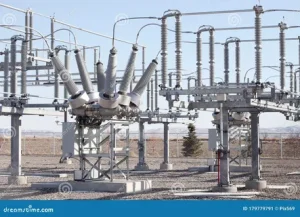
Smart Electrical Substation Layout planning
A well-planned electrical substation layout is essential for operational efficiency, safety, and future expansion. Modern layout planning focuses on optimizing space while maintaining safe clearance distances between electrical equipment.
Engineers carefully arrange transformers, circuit breakers, control buildings, and busbars to reduce power losses and simplify maintenance operations. Clear pathways for equipment access and personnel movement are also crucial components of layout design.
Today, digital design tools and 3D modeling software allow engineers to simulate different layout configurations before construction begins. This helps identify potential conflicts, improve safety, and ensure compliance with international standards.
Integration of Advanced Design Technologies
Technology has significantly improved the way engineers approach electrical substation design. Modern engineering teams now use Building Information Modeling (BIM), digital twins, and advanced simulation tools to streamline the design process.
BIM allows engineers to create detailed 3D models of substations, integrating structural, electrical, and mechanical systems within a single platform. This improves collaboration between design teams and reduces costly design errors during construction.
Digital twin technology is another innovative approach in substation engineering design. It enables engineers to create virtual replicas of substations that simulate real-time performance. By analyzing operational data, engineers can optimize maintenance strategies and improve system reliability.
Structural Safety and Reliability Considerations
Safety remains one of the most important priorities in substation design & engineering. Substations contain high-voltage equipment that requires strict safety measures to protect both personnel and infrastructure.
Modern structural designs incorporate reinforced steel frameworks, corrosion-resistant materials, and improved grounding systems. These features ensure that structures remain durable even in harsh environmental conditions.
Another key factor is electrical clearance. Adequate spacing between equipment helps prevent electrical faults, arc flashes, and accidental contact. Engineers also design protective barriers, fencing, and controlled access zones to enhance operational safety.
Sustainable and Cost-Efficient Design Practices
Sustainability has become an important consideration in modern electrical substation layout planning. Engineers are increasingly focusing on environmentally responsible construction methods and energy-efficient designs.
For example, compact substation designs minimize land usage while still maintaining safe operational distances. Prefabricated structural components are also gaining popularity because they reduce construction time and material waste.
Another sustainable approach involves designing substations with future upgrades in mind. Flexible structural frameworks allow utilities to add new equipment without major reconstruction, making long-term expansion easier and more cost-effective.
Future Trends in Substation Engineering
The future of substation engineering design is closely linked with smart grid development and renewable energy integration. As solar, wind, and other renewable sources continue to grow, substations must be capable of managing fluctuating power flows.
Engineers are increasingly designing substations that incorporate automation, advanced monitoring systems, and remote control capabilities. These features improve grid reliability and reduce the need for on-site maintenance.
Additionally, modern electrical substation design is moving toward modular systems that allow faster installation and easier upgrades. Modular substations can be assembled quickly and adapted to changing grid requirements, making them ideal for rapidly expanding power networks.
Conclusion
Substation infrastructure is a fundamental part of modern electrical networks, and its design must evolve alongside technological advancements. Modern approaches to substation design & engineering emphasize structural safety, efficient layouts, digital modeling, and sustainable construction practices.
By adopting innovative tools and smarter planning strategies, engineers can develop substations that are not only reliable and resilient but also adaptable to future energy demands.
As the global power industry continues to grow, the importance of advanced substation engineering design and optimized electrical substation layout planning will only increase. Organizations that invest in modern design approaches will be better positioned to build efficient, safe, and future-ready power infrastructure.